By James Whitfield, Lawn Care Enthusiast & Homeowner
The question of renting vs buying lawn equipment is one most homeowners never think through carefully — and that costs them money in both directions. Some people spend $500 on a tool they use twice. Others rent the same thing every year for a decade and never do the math. Neither is smart, and both are avoidable with a simple decision framework.
Here is the thing about lawn equipment: the instinct to buy feels rational. You figure you will use it more once you own it, you will save on rental fees, and it will just be there when you need it. That logic works for some tools. For others, it is exactly how you end up with a 200-pound aerator collecting rust in the corner of your garage.
This guide focuses on power equipment and the economics behind owning versus renting it. Hand tools — rakes, hoes, edgers, push spreaders — are almost always worth buying outright. The real decision point is larger, more expensive, or less frequently used equipment.
Disclosure: This article contains affiliate links. If you purchase through these links, I may earn a small commission at no extra cost to you. As an Amazon Associate, I earn from qualifying purchases.
Why the Renting vs Buying Lawn Equipment Question Matters More Than Most Homeowners Realize
Buying feels like value. Renting feels like waste. That framing is wrong, and it is worth understanding why before you spend anything.
When you buy a piece of lawn equipment, the purchase price is just the starting point. You are also signing up for:
- Storage space — a quality rear-tine tiller or core aerator takes up serious garage or shed real estate
- Annual maintenance — carb cleaning, oil changes, blade sharpening, belt replacements
- Fuel costs — for gas-powered tools, this adds up across a season
- Depreciation — equipment loses value whether you use it or not
Most homeowners underestimate how rarely they use certain tools once the novelty wears off. The aerator you bought last September might sit untouched for 18 months before the next use. That is not value — it is a storage cost with a motor attached.
How Often You’ll Use It: The Rule That Settles Most Renting vs Buying Lawn Equipment Decisions
Here is the core framework: if you will use a tool fewer than three to four times per year, renting is almost always cheaper once you account for the full cost of ownership.
The math looks like this:
Ownership cost per use = (Purchase price + estimated annual maintenance + storage overhead) ÷ uses per year
Rental cost per use = daily rental rate + fuel to transport + your time
Run those numbers honestly and the decision usually becomes obvious.
Take a rear-tine tiller as an example. It costs $500 to buy and about $60–90 to rent for a day. If you till once a year, renting is cheaper for years. Add in annual carburetor cleaning, fuel storage, and the space it takes up in your shed, and the math stays in renting’s favor even longer.
One important caveat: convenience has real dollar value. If renting creates enough friction — scheduling a pickup, arranging transport, returning it by a deadline — that you skip the task entirely, buying might be the better call. A lawn that never gets aerated because renting felt like a hassle is worse than the cost of owning an aerator you barely use.
That said, watch out for the “I’ll use it more once I own it” trap. With seasonal lawn tools, this almost never happens. The tool sits unused for the same reasons it would have sat unrented — it is a seasonal job, not a weekly one.
Neither option is inherently cheaper. The math depends on what you are buying, how often you use it, and how honestly you account for total costs.
Full Cost of Ownership
- Purchase price (one-time)
- Storage space — even a small cost adds up over years
- Annual maintenance — gas tools need oil, fuel stabilizer, carb cleaning, and blade work
- Replacement parts — belts, blades, tines, batteries
- Depreciation — if you eventually sell, you rarely get more than half back
Full Cost of Renting
- Daily or hourly rental rate (typically $60–150/day for larger equipment)
- Fuel and time to pick up and return
- Return deadline pressure — a rushed job to make the 5pm return is a real risk
- Availability — spring and fall rental demand at places like Home Depot and Lowe’s can mean equipment is already booked
Example: A core aerator costs $400–700 to buy. Rental runs $70–100 per day. If you aerate once a year, renting is cheaper for the first six to eight years. Most homeowners sell or move before that math ever flips. Plus, rental aerators are often commercial-grade units. They outperform most consumer models for plug depth and clean results.
Neither column is automatically the right answer. The decision turns on frequency and honest math.
Lawn Equipment That’s Almost Always Worth Buying
These tools earn their keep because the frequency of use justifies the cost — often by a wide margin.
Lawn Mower
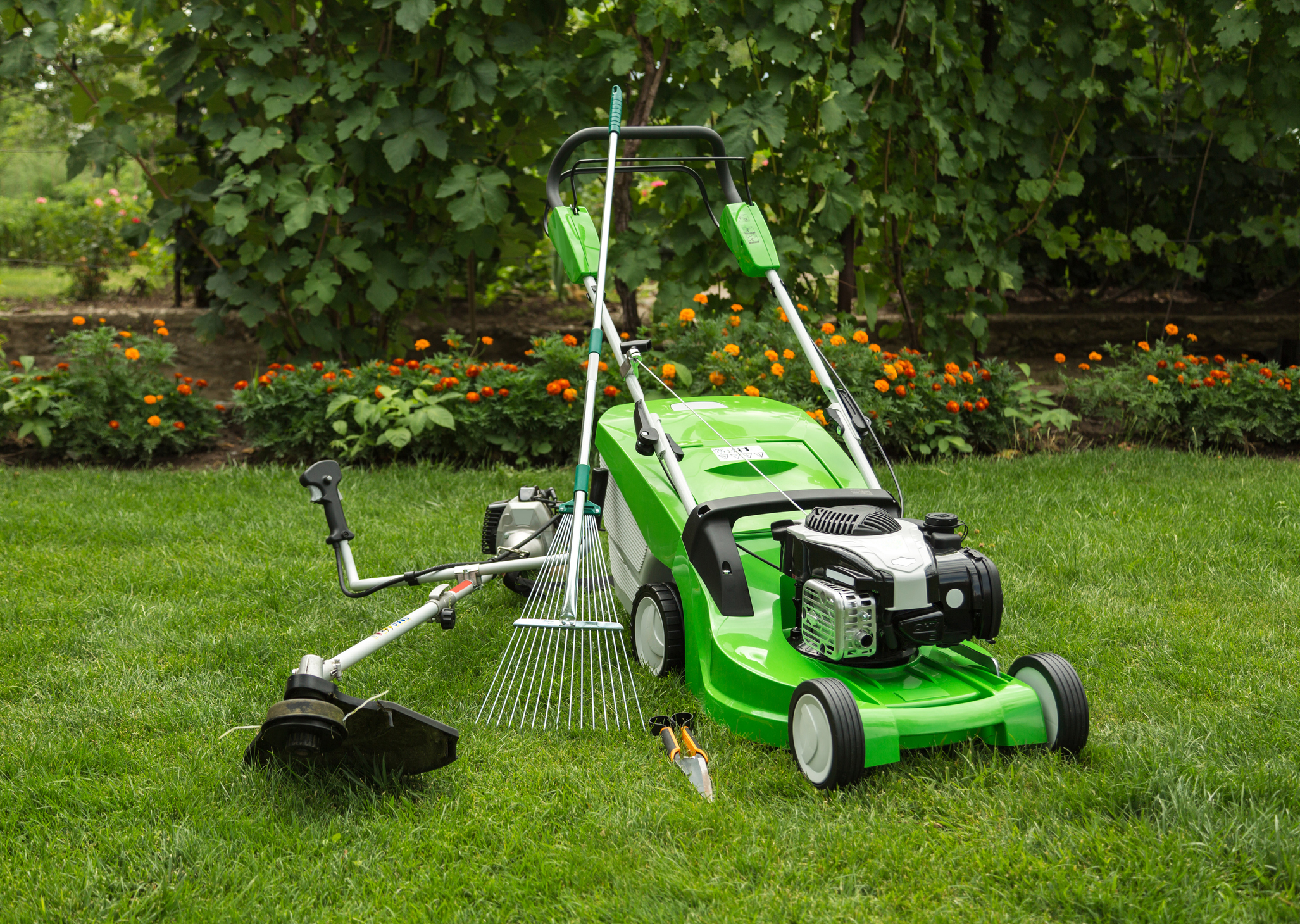
Weekly mowing from April through October means you will use this tool 25–35 times a year. There is no rental math that beats ownership here. A cordless electric lawn mower is worth a serious look — lower maintenance than gas, no fuel costs, and quiet enough that early morning mowing does not make you the neighborhood nuisance. Once you have a mower, it is also worth knowing the limits: mowing wet grass is a common mistake new mower owners make that can damage both the lawn and the machine.
String Trimmer
Used every time you mow, the string trimmer is a high-frequency tool with a relatively modest price. An electric string trimmer pairs well with a battery-platform approach — if you buy the same brand as your mower, you share batteries and chargers. That compatibility can tip borderline decisions toward buying.
Leaf Blower
Used multiple times through fall and occasionally for clearing clippings and walkways the rest of the year, a leaf blower has a low storage footprint and a clear use case. An electric model is worth owning.
Broadcast Spreader
Cheap, low-maintenance, and used every time you apply fertilizer, seed, or pre-emergent, a quality broadcast spreader costs $40–80 and will last decades with basic cleaning. This is a clear buy. To get the most out of it, make sure your applications are guided by data — your soil test results will tell you exactly what your lawn needs before you load the hopper.
A soil moisture meter and soil thermometer are inexpensive and used throughout the growing season. They help with watering decisions and application timing — including knowing when your soil is warm enough to trigger pre-emergent timing correctly. At under $20–30 each, they are not a rental conversation at all. Pick them up and keep them with your spreader. Good watering decisions also mean understanding what your lawn is telling you — if your grass starts looking brown or patchy mid-season, it helps to know how to read those signs before you reach for the hose or the overseeder, which is why My Lawn Looks Dead — How to Tell If It’s Dormant, Drought-Stressed, or Actually Dying is worth bookmarking alongside your monitoring tools.
The common thread: high use frequency + manageable price + low maintenance = buy without overthinking it. If you are just getting started and want a prioritized shopping list, What to Buy First: The Essential Lawn Care Starter Kit for New Homeowners walks through exactly which tools to pick up first and in what order. New homeowners navigating their first season will also find it helpful to read up on New Homeowner Lawn Care: The First 5 Things to Do in Your First Season before making any equipment decisions. Before you start loading up that spreader or firing up the mower for the first time each year, it also helps to follow a Spring Lawn Wake-Up Checklist: What to Do First When the Grass Starts Growing Again so your equipment gets put to work at exactly the right moment.
When Renting Lawn Equipment Actually Saves You Money
This is the category that trips most homeowners up. These tools feel like things you should own, but the math rarely supports it.
Core Aerator
Used once or twice a year at most, a quality core aerator costs $400–700 to buy, weighs 200-plus pounds, and needs annual servicing. Rental units are typically commercial-grade. They deliver better plug depth and cleaner results than most consumer models. For most homeowners, renting is the obvious call — and timing that rental correctly for your grass type makes a bigger difference to your lawn than whether you own the machine.
Overseeder / Slit-Seeder
A slit-seeder cuts grooves in soil and drops seed directly into them. It is a professional-grade tool that costs $800–1,500 or more to buy. Most homeowners use it once every few years at best. Rent it when you need it.
Power Rake / Dethatcher
Most lawns only need power raking every two to three years. The equipment is bulky, the use case is genuinely infrequent, and rental units handle the job without issue. This is a rent-every-time situation.
Stump Grinder
You will use this once per stump, and stumps are not a recurring lawn feature. Stump grinders are heavy and unforgiving if you are unfamiliar with them. They have no business living in a residential garage. Rent one, or hire someone.
Rear-Tine Tiller
Useful for new bed prep or lawn establishment, but once that initial project is done, a tiller might sit for years. Rent it for the project and move on.
One-Time Jobs Where Renting Lawn Equipment Is the Obvious Call
Some projects happen once per lawn — sometimes once per homeownership. There is no purchase justification for equipment you use once in fifteen years.
- New lawn installation: sod cutter, rear-tine tiller, heavy-duty leveling rake
- Full lawn renovation: aerator and overseeder combo rental, power dethatcher
- Stump or tree aftermath: stump grinder, wood chipper
- Grading or drainage work: plate compactor, sod cutter
Home Depot, Lowe’s, and local equipment rental yards carry all of these. One practical note: reserve in advance, especially in spring and fall. Rental demand in those seasons is high. Showing up on a Saturday in October expecting an available aerator is a gamble. Book it at least a week ahead.
Quick Reference: Rent or Buy?
| Equipment | Verdict | Typical Rental Cost | Typical Purchase Cost |
|---|---|---|---|
| Lawn mower | Buy | N/A | $200–700+ |
| String trimmer | Buy | N/A | $80–200 |
| Leaf blower | Buy | N/A | $60–180 |
| Broadcast spreader | Buy | N/A | $40–80 |
| Core aerator | Rent | $70–100/day | $400–700 |
| Overseeder / slit-seeder | Rent | $80–120/day | $800–1,500+ |
| Power rake / dethatcher | Rent | $60–90/day | $250–500 |
| Rear-tine tiller | Rent | $60–90/day | $400–600 |
| Stump grinder | Rent | $150–300/day | $1,500–3,000+ |
Frequently Asked Questions
Is it cheaper to rent or buy a lawn aerator? For most homeowners, renting is cheaper. A core aerator costs $400–700 to buy and needs annual servicing. Rental runs $70–100 per day. If you aerate once a year, renting stays cheaper for six to eight years — and rental units are often commercial-grade, so results are actually better.
How much does it cost to rent a lawn aerator for a day? Most rental centers charge $70–100 for a half-day or full-day rental. Home Depot and Lowe’s typically fall in this range. Local equipment yards may be slightly cheaper. Prices rise during peak fall aeration season, and availability can be limited — book in advance.
Should I buy or rent a dethatcher? Rent it. Most lawns only need dethatching every two to three years. The equipment is bulky, and consumer-grade models underperform rental units. There is no good reason to store one.
Is renting lawn equipment from Home Depot worth it? Yes, for infrequent tasks. Home Depot’s rental inventory covers most large lawn equipment — aerators, tillers, dethatchers, sod cutters. The equipment is generally well-maintained. The main downside is availability during spring and fall peak seasons, so reserve ahead of time.
What lawn tools should every homeowner own? The core four: a mower, a string trimmer, a leaf blower, and a broadcast spreader. These are used frequently enough that owning them pays off quickly. Add a soil thermometer and soil moisture meter for under $50 total, and you have the toolkit that handles 90% of routine lawn care.
When does buying a lawn mower pay off vs. a lawn service? A basic push mower costs $200–350. If a lawn service charges $40–60 per visit and you mow 25 times per year, you are paying $1,000–1,500 annually for mowing alone. The mower pays for itself in three to four visits. If you genuinely will not mow yourself, a service makes sense — but if you are willing to do the work, ownership wins fast.
Does rented equipment work as well as owned equipment? For heavy tasks like aeration and tilling, rental equipment often works better than consumer-grade owned equipment. Rental fleets run commercial-grade machines. For everyday use like mowing, owned equipment is more practical — you would not rent a mower for weekly use.
Conclusion
The answer for most homeowners is straightforward when it comes to renting vs buying lawn equipment: buy what you use every week or every month, rent what you use once or twice a year.
Before any equipment purchase over $150, run the frequency math. Divide your honest estimate of annual use into the total cost of ownership — purchase price plus storage plus maintenance — and compare it to what a day rental actually costs. The answer usually becomes clear in about thirty seconds.
The balanced approach for most suburban lots looks like this: own your mower, trimmer, blower, and spreader. Rent your aerator, overseeder, dethatcher, and any one-time renovation equipment. That combination keeps your garage functional, your maintenance overhead low, and your lawn work actually happening.
Key takeaways:
- Use frequency is the primary variable — fewer than 3–4 uses per year, lean toward renting
- Account for the full cost of ownership, not just purchase price
- Rental equipment is often commercial-grade and outperforms consumer models for heavy tasks
- Convenience has real value — if rental friction means skipping the task, ownership may still win
- Reserve rental equipment in advance during peak spring and fall seasons
For related reading: the late spring green-up guide covers why lawns stall after green-up begins — a common issue once you have your equipment ready and start putting it to work. And if you are planning your first aerator rental, timing is everything: check the aeration timing for cool season grass — fall vs. spring comparison for a full breakdown of fall vs. spring windows for cool-season grass.

Subscribe to our Newsletter for Weekly updates!