Knowing when to aerate cool season grass is one of those decisions that looks simple on the surface but has real consequences when you get it wrong. Aerate at the wrong time, and you’ll either invite weeds into open soil, stress a lawn that can’t recover, or waste a weekend of effort with little to show for it. Get the timing right, and aeration becomes the most productive maintenance task you do all year.
This guide explains the biology behind the decision, walks through the fall and spring windows in detail, and gives you the tools to pick the right date for your specific region and grass type.
Disclosure: This article contains affiliate links. If you purchase through these links, I may earn a small commission at no extra cost to you. As an Amazon Associate, I earn from qualifying purchases.
Why Timing Matters When You Aerate Cool Season Grass
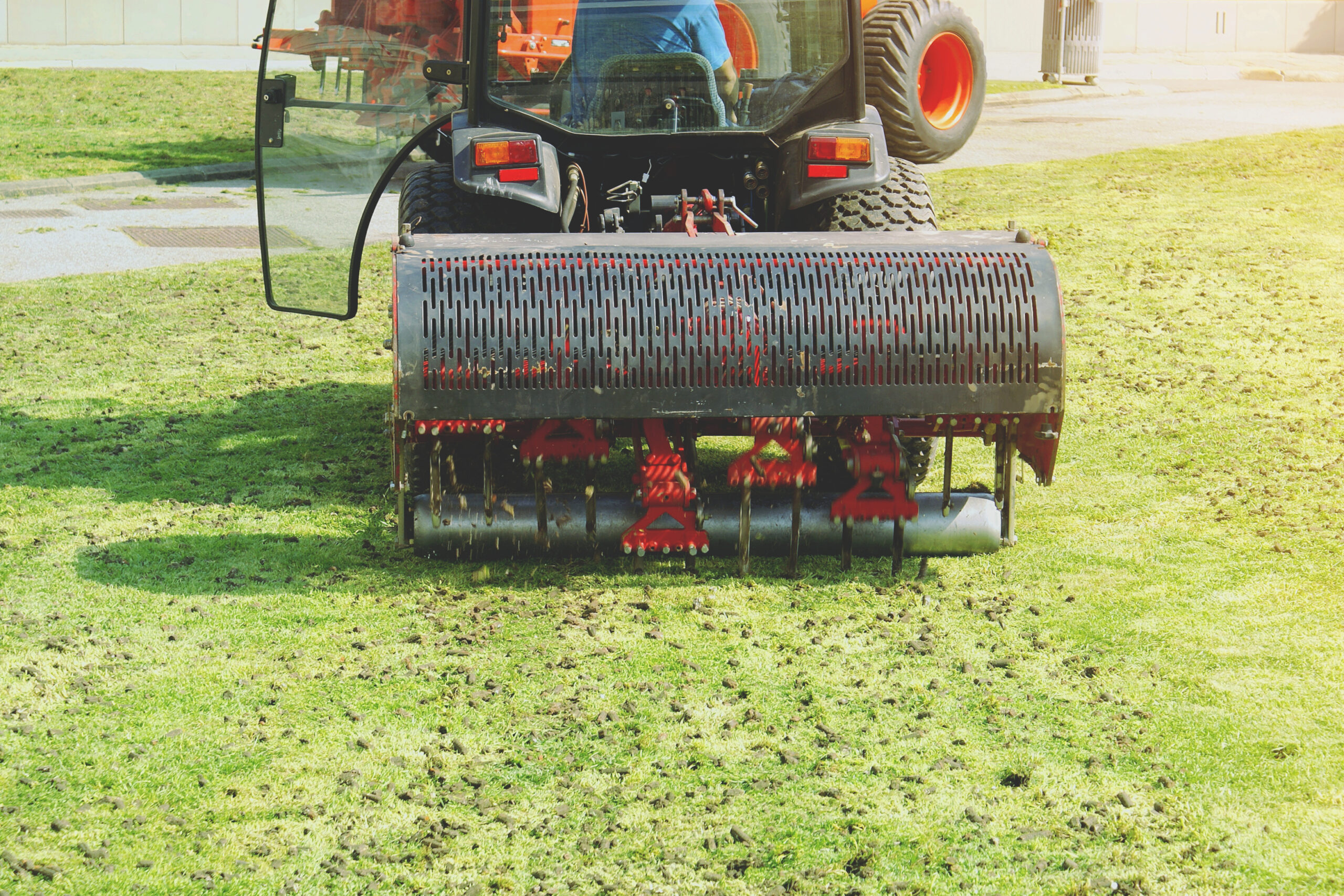
Core aeration works by pulling small plugs of soil out of the ground — typically 2 to 3 inches deep — at regular intervals across the lawn. Those holes relieve soil compaction, improve water infiltration, and allow oxygen and nutrients to reach the root zone more effectively.
But here’s the part most homeowners miss: the lawn must be in active growth to recover from aeration. The holes left behind aren’t just cosmetic. They’re open wounds in the turf canopy. If the grass can’t grow, those holes sit exposed — and weed seeds are happy to fill them before the turf does.
Cool season grasses — Kentucky bluegrass, tall fescue, fine fescue, and perennial ryegrass — grow most aggressively in two windows: fall and spring. But those two windows are not equal for aeration. The driving factor isn’t the calendar date; it’s soil temperature. Grass roots and crowns respond to what’s happening underground, not what month it is. A warm September in northern Virginia behaves differently than a warm September in Minneapolis. If you’re not yet familiar with the characteristics of each species, the Complete Guide to Cool Season Grasses (Fescue, Bluegrass, Rye) is a helpful starting point before diving into timing decisions. If your lawn includes or borders warm season turf, the Complete Guide to Warm Season Grasses can help you understand how those species differ in their aeration and seasonal care needs.
The core tension in cool season aeration timing is this: fall is almost always the right window, but spring aeration has a narrow set of legitimate use cases. Understanding why requires a closer look at what each season actually offers the grass.
Fall Aeration: The Best Time to Aerate Cool Season Grass
Why Fall Works
Fall is the single best season to aerate a cool season lawn, and the reasons stack up quickly.
First, soil holds heat even after air temperatures drop in September and October. That warmth means roots and crowns stay active. They fill aeration holes faster during fall than at almost any other time of year.
Third, fall aeration lines up perfectly with overseeding. The holes created by a core aerator give grass seed direct contact with soil — one of the most important factors in germination success. Aeration and overseeding together in fall is one of the highest-value maintenance combinations you can do for a cool season lawn. Pairing both with a fall fertilizer application makes this the most productive week of lawn care all year.
Finally, weed pressure is lower in fall. Annual weeds like crabgrass have already germinated for the season and are dying back. Open soil in October is far less risky than open soil in April.
When Exactly in Fall to Aerate Cool Season Grass
The practical target for fall aeration is 6 to 8 weeks before your region’s first expected hard frost. This gives the grass enough time to recover and fill in before the ground freezes.
Soil temperature should be between 50°F and 65°F — warm enough for active root growth, but past the peak summer stress period. A soil thermometer takes the guesswork out of this entirely. Rather than relying on a calendar date, you can check actual conditions at a 2- to 4-inch depth before you schedule equipment rental. It’s a low-cost tool you’ll use every fall to confirm timing for aeration, overseeding, and fertilizing — buy it once and reach for it every season.
Regional timing by USDA hardiness zone:
- Zone 4–5 (Minneapolis, Chicago): Late August to mid-September
- Zone 6 (St. Louis, Columbus): Mid-September to early October
- Zone 7 (Northern Virginia, Nashville): Late September to mid-October
Grass Type Nuances Within Fall Timing
The window above applies broadly, but different cool season grasses have slightly different tolerances:
- Kentucky bluegrass (KBG): Aerate and overseed together in early-to-mid fall. KBG spreads through rhizomes (underground stems) and needs time for rhizome recovery before frost. Don’t push it late.
- Tall fescue: More flexible than KBG. Can tolerate slightly later fall aeration because it recovers well from disturbance. Still aim to finish at least 6 weeks before frost.
- Fine fescue: Low tolerance for compaction makes aeration timing especially important. Avoid late fall — give it the full recovery window.
- Perennial ryegrass: Recovers quickly due to fast germination and growth rates, but don’t push aeration into late October in cold climates.
Spring Aeration for Cool Season Grass: When It Makes Sense and When It Backfires
When Spring Might Be Appropriate
Spring aeration isn’t wrong in every scenario. There are a few situations where it’s the right call:
- Severely compacted soil from construction activity, heavy equipment, or vehicles parked on the lawn over winter
- A lawn that missed fall aeration entirely and has visible thatch buildup or standing water after rain
- When overseeding is not part of the plan — just relieving compaction before summer stress arrives
Why Spring Aeration Backfires
For most cool season lawns, spring aeration creates more problems than it solves.
The spring growth window for cool season grass is also short. Heat arrives quickly and shuts down root activity before the lawn has fully recovered from aeration. You get less recovery time than fall offers.
Spring aeration also creates a conflict if you want to overseed. You’d need to skip pre-emergent herbicide — the treatment that prevents crabgrass — in order to avoid suppressing your grass seed. That’s a real tradeoff, and for most homeowners, not a good one.
If spring aeration is necessary, do it early — as soon as the soil is workable and thawed, before soil temperatures consistently hit 55°F. Staying below that threshold helps you stay ahead of crabgrass germination pressure.
The Bottom Line on Spring
Spring aeration is a fallback, not a strategy. If you’re weighing fall versus spring with no specific reason to go spring, fall is the right answer every time.
How to Pick the Right Date to Aerate Cool Season Grass in Your Region
Knowing when to aerate cool season grass in your specific region comes down to three data points: your frost date, your soil temperature, and whether your grass has broken out of summer stress. Here’s a simple process to land on the right date:
- Find your average first frost date. The USDA Plant Hardiness Zone map and your local cooperative extension office are the most reliable sources.
- Count back 6 to 8 weeks. That range is your target aeration window.
- Check soil temperature using a soil thermometer at a 2- to 4-inch depth. You’re looking for 50°F to 65°F.
- Confirm the grass is actively growing — not dormant from summer heat, not already hardened for winter.
Quick regional examples:
- St. Louis (Zone 6): Mid-September to early October
- Northern Virginia (Zone 7): Late September to mid-October
If you’re combining aeration with overseeding, aerate first, then spread seed immediately after. Don’t let days pass between the two steps — the aeration holes close as the soil settles, and you want seed making contact with open soil. For broader seasonal planning tied to your grass type and region, a Cool Season Lawn Care Schedule Month by Month Guide helps you coordinate aeration with fertilizing, seeding, and other fall tasks.
What to Do Immediately After Aerating Cool Season Grass
A few tasks done right after aeration make the whole effort more effective:
Leave the plugs. The soil cores pulled out by the aerator look messy, but leave them on the surface. They break down within 2 to 4 weeks and return organic matter directly back into the lawn.
Choose the right equipment. When renting or buying an aerator, choose a core aerator (also called a plug aerator) — one that physically removes soil plugs and deposits them on the surface. Spike aerators push soil aside rather than removing it, which can actually increase compaction around each hole. For aeration to work, you need cores out of the ground, not soil pushed sideways.
Overseed immediately if the lawn is thin. The open cores left by a plug aerator create nearly perfect seed-to-soil contact. Use a broadcast spreader to get even coverage across the aerated area. Even seed distribution matters — a spreader covers ground faster and more consistently than hand broadcasting.
Fertilize within a few days. The open channels left by aeration improve how quickly nutrients reach the root zone. Fall aeration and an early fall fertilizer application work exceptionally well together for this reason.
Water consistently if overseeding. Keep the surface moist until germination is complete — same watering logic as any seeding project.
Do not apply pre-emergent herbicide if you’ve just overseeded. Pre-emergent suppresses all seed germination, including the grass seed you just spread.
Common Aeration Timing Mistakes That Slow Lawn Recovery
- Aerating in summer heat: Grass under heat and drought stress can’t recover. Holes dry out before roots fill in. Wait for summer stress to pass before aerating.
- Aerating too late in fall: Less than 4 weeks before frost leaves insufficient recovery time. The lawn goes into winter with open wounds rather than filled turf.
- Aerating wet soil: Saturated soil produces plugs that clump and smear instead of clean cores. Wait for soil that’s moist but not waterlogged.
- Aerating without overseeding a thin lawn: You’ve created the best possible seeding conditions and then skipped the seed. It’s a missed opportunity that won’t come around again until next fall.
- Expecting fertilizer to fix compaction: Nutrients can’t penetrate compacted soil effectively regardless of application rate. Aeration makes every input — water, fertilizer, seed — work better. One doesn’t substitute for the other.
Frequently Asked Questions About Aerating Cool Season Grass
Can I aerate cool season grass in August? Yes. Late August is appropriate for northern climates (Zone 4–5), provided summer heat has broken and the grass is actively growing again. Soil temperature should be dropping toward the 50–65°F range. If the grass is still stressed or browning from heat, wait another week or two before aerating.
Do I have to overseed when I aerate? No. Aeration alone relieves compaction and improves water and nutrient penetration. But if your lawn is thin or patchy, aeration creates ideal seed-to-soil contact conditions. Skipping seed when the lawn needs it means missing the best opportunity you’ll have all year.
How often should I aerate a cool season lawn? Once a year in fall is the right frequency for most lawns. Heavily compacted areas or high-traffic zones may benefit from twice a year. If you’re considering spring as a second aeration, evaluate carefully — spring carries the weed pressure tradeoffs covered above.
Can I aerate if my lawn is in summer dormancy? No. Aerating dormant grass adds stress without any recovery benefit. The holes sit open and exposed, and the plant can’t respond. Wait until the grass breaks dormancy and shows active green growth before scheduling aeration.
What if I missed the fall aeration window? Wait for early spring and go as early as possible. Aerate before soil temperatures consistently reach 55°F to stay ahead of crabgrass germination. Spring aeration is a reasonable fallback when fall was missed — just manage expectations and skip the pre-emergent that season if overseeding.
Should I water before aerating? Yes, lightly. Soil that is slightly moist produces cleaner, deeper plugs. Saturated soil produces messy results — plugs clump, smear, and don’t hold their shape. If it hasn’t rained recently, water lightly the day before to get soil to a moist but not wet condition.
Conclusion
Fall is the right aeration window for nearly every cool season lawn. When you aerate cool season grass at the right time in fall, the biology, weed pressure timing, and overseeding synergy all point in the same direction. Spring aeration has a narrow legitimate use case — mostly as a fallback when fall was missed or compaction is severe — but it carries real tradeoffs around weed pressure and recovery time.
The exact date within fall depends on your grass type and region, but the rule is consistent: target 6 to 8 weeks before your first hard frost, confirm soil temperature is between 50°F and 65°F, and move forward. Pair aeration with overseeding and a fall fertilizer application and you’ve completed the three highest-value fall lawn care tasks in a single coordinated effort.
Key takeaways:
- Cool season grass needs active growth to recover from aeration — timing to that growth is everything
- Fall is preferred because recovery time is longer, weed pressure is lower, and overseeding synergy is highest
- Spring aeration is a fallback with tradeoffs, not a standard strategy
- Use the 6–8 weeks before frost rule plus a soil temperature check to find your exact date
- Aerate, overseed, and fertilize in sequence for best results
Subscribe to our Newsletter for Weekly updates!