Most homeowners have been there — the lawn is overdue, the weekend is finally here, and it rained last night. Understanding mowing wet grass — when it is okay and when it isn’t — comes down to one key distinction: light surface moisture and fully saturated turf are two different situations with two different answers. The footprint test (more on this shortly) is the fastest way to tell them apart. Here’s the full framework.
Disclosure: This article contains affiliate links. If you purchase through these links, I may earn a small commission at no extra cost to you. As an Amazon Associate, I earn from qualifying purchases.
Why Mowing Wet Grass Causes Problems in the First Place
Before getting into the decision framework, it helps to understand the actual mechanisms. Once you know why wet conditions create problems, the guidance stops feeling arbitrary.
Blade Clumping and Uneven Cuts
Wet grass blades stick together and lay flat under the mower deck. They don’t stand up to meet the blade the way dry grass does. The mower collects clippings in thick mats instead of discharging them cleanly. The result is an uneven cut — some areas get trimmed correctly while others get pushed over and missed entirely. Those clumping mats left on the lawn surface can block sunlight and trap moisture, creating ideal conditions for disease if they’re not removed.
Soil Compaction and Rut Damage
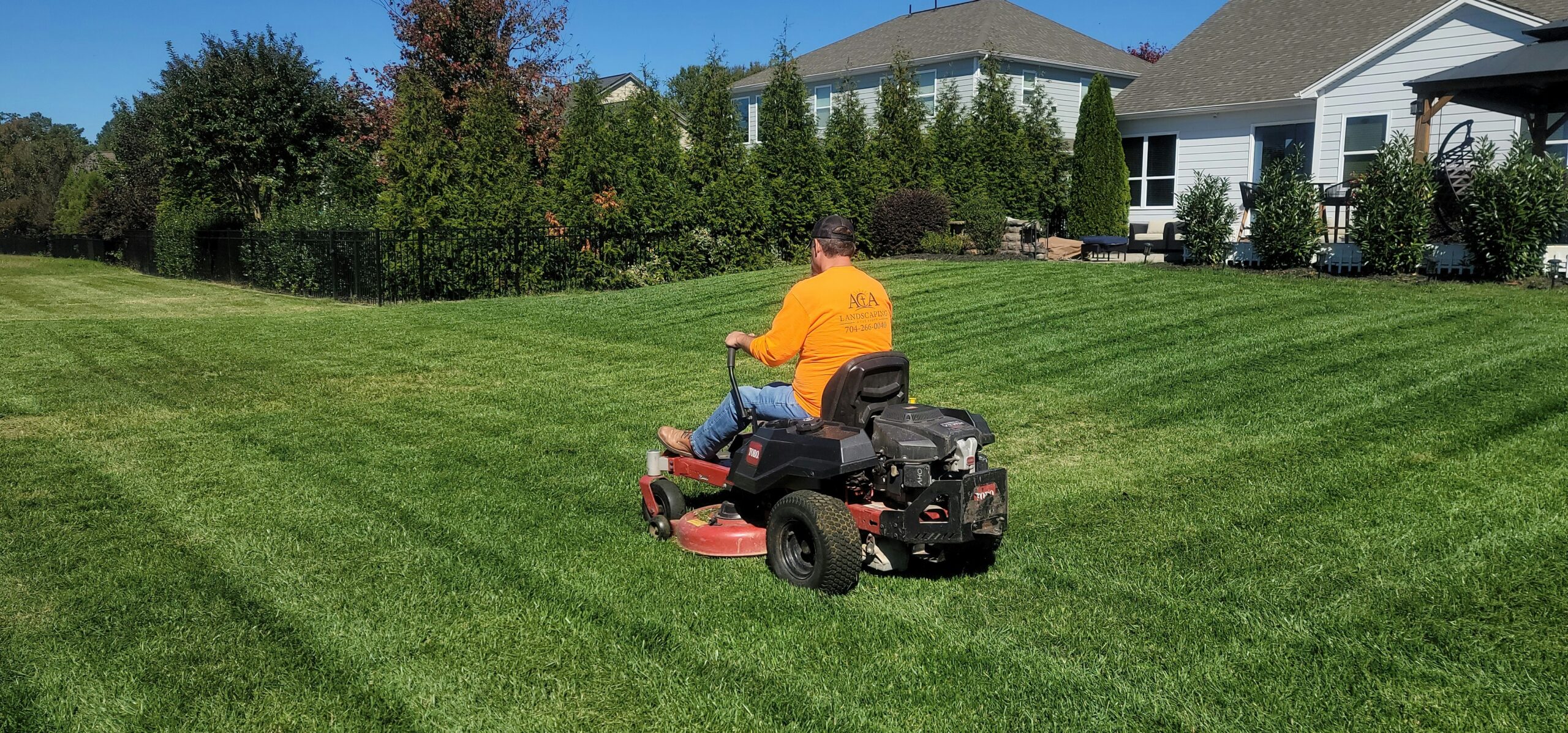
Wet soil is soft. Under mower weight, it compresses and displaces. That’s not just a cosmetic problem. Compaction reduces the soil’s ability to absorb water and air. This stresses grass roots over time. Walk-behind mowers cause less damage than riding mowers, but neither should be used on fully saturated ground. Riding mowers in particular can leave deep ruts that take real effort to fix.
Disease Risk
Mowing tears wet grass rather than cutting it cleanly. This leaves ragged blade wounds that are slower to heal. Those wounds are entry points for fungal pathogens, which thrive in exactly the warm, wet conditions you’re mowing in. Dirty mower blades can spread pathogens across the entire lawn in a single pass. In humid climates during summer, this is a serious concern — not a theoretical one.
Mower Stress and Safety
Wet clippings clog mower decks and discharge chutes faster than dry ones. That means more stops to clear the deck and more wear on the engine or motor. On slopes, wet turf creates a real slip hazard. If you’re using a battery-powered or corded electric mower, wet conditions add safety considerations with electrical equipment that are worth thinking through before you start.
When Is It Okay to Mow Wet Grass?
This is where most articles fail the reader. Mowing wet grass when it is okay usually comes down to a few specific conditions — here are the actual criteria.
Light Surface Moisture — Generally Fine
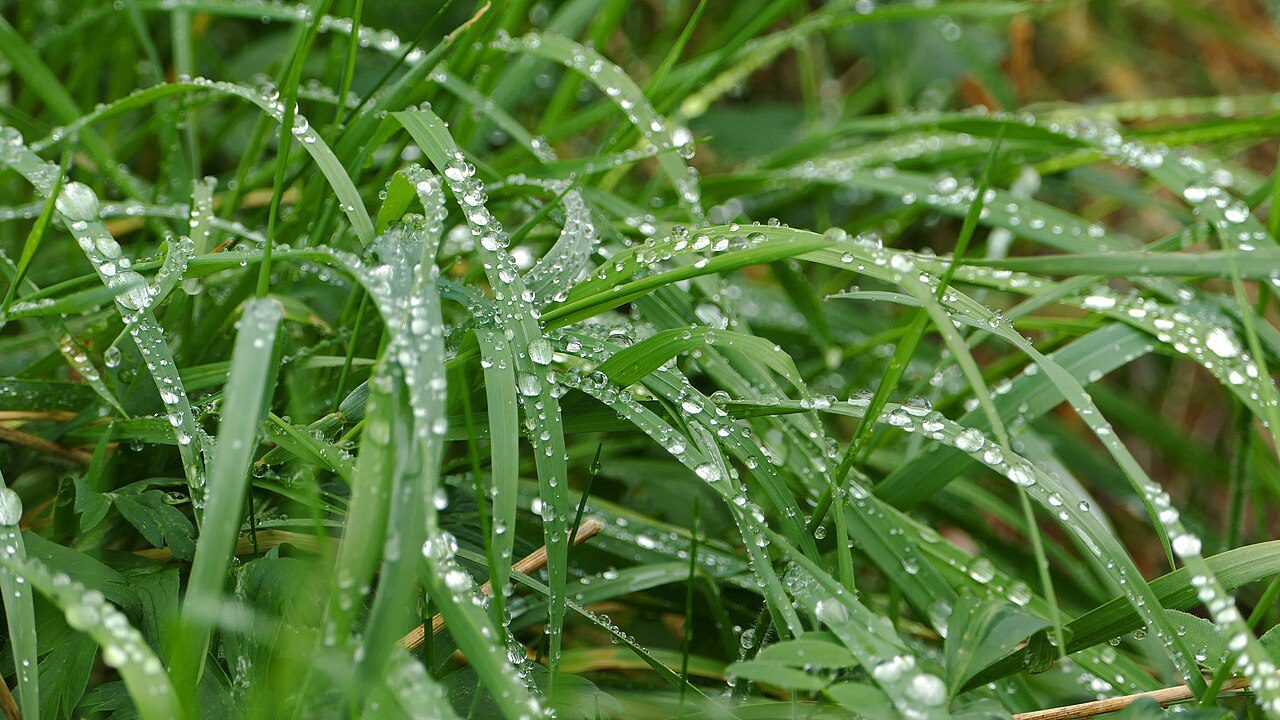
Morning dew or a light rain the evening before leaves grass blades wet but doesn’t saturate the soil. If you can walk across the lawn without leaving footprints, the ground is firm enough to mow. Light moisture doesn’t cause significant clumping if the grass isn’t overly long. Cut quality will be marginally lower than a dry mow, but you’re not doing meaningful harm to the turf.
When Skipping the Mow Would Cause More Damage
Here’s a scenario most people don’t think through: it’s been raining for five days straight, and the lawn is already sitting at 4–5 inches. Waiting even longer to protect against minor moisture damage may cause more stress from cutting off too much height at once. The one-third rule — never remove more than one-third of the blade height in a single mow — applies here. If mowing wet is the only way to stay close to that rule, it’s the right call. Knowing How to Set Your Mower Deck Height for Different Grass Types can help you make a more informed adjustment when conditions force your hand. Keep in mind that ideal mowing heights vary by grass variety — the Complete Guide to Cool Season Grasses (Fescue, Bluegrass, Rye) and the Complete Guide to Warm Season Grasses are useful references if you’re not sure what your lawn is or what height it prefers. If you want to stay ahead of wet-weather mowing challenges throughout the year, a Cool Season Lawn Care Schedule Month by Month Guide can help you plan mowing and maintenance tasks around seasonal conditions, and a Warm Season Lawn Care Schedule Month by Month Guide serves the same purpose for bermuda, zoysia, and other warm season turf types.
When Dry Conditions Are Coming Soon
If warm, sunny weather is forecast within a few hours of mowing, the window of elevated disease risk is short. Fungal problems tend to develop under prolonged wet and warm conditions. A brief mow followed by fast drying changes the risk profile considerably.
When You Should Skip Mowing and Wait for the Lawn to Dry
If your feet leave deep impressions in the soil as you walk, wait. If your mower wheels sink or leave ruts on the first pass, stop and come back later. Standing water anywhere on the lawn is the clearest possible signal to postpone. For riding mowers specifically, this threshold is non-negotiable. The rut and compaction damage from riding mowers on saturated ground can set back a lawn for an entire season.
During Prolonged Humid, Warm Stretches
If the lawn is already showing signs of fungal activity — think slime patches, irregular brown or discolored areas, or a musty smell — mowing in wet conditions will spread diseased tissue via your mower wheels and blades to healthy areas. This is the scenario where the disease risk is most concrete. If you’re not sure about what those brown patches are, that’s worth figuring out before you mow.
When the Grass Is Very Long and Wet
Long wet grass clumps badly. The mower bogs down, the deck fills up fast, and thick mats get deposited across the lawn. If the lawn is significantly overgrown and wet, consider a partial height reduction — mow at a higher setting to reduce the blade load, let it dry, then come back for a second pass at normal height.
Clay-Heavy or Already Compacted Soils
Clay holds water longer than sandy or loamy soils and compacts more easily under pressure. If your lawn has drainage issues or sits on heavy clay, assume the saturation window is longer than average. Use the footprint test before proceeding rather than estimating by time. If you’re dealing with recurring compaction problems, looking into aeration timing can help you address the root issue before it gets worse.
How to Minimize Damage If You Have to Mow Wet Grass
Sometimes you have to mow regardless of conditions. Here’s how to do less damage.
Raise the Cutting Height
Set the deck higher than your normal cutting height. This reduces the volume of material the mower has to handle. It also leaves a buffer for the slightly uneven cut that wet conditions produce.
Mow Slowly
Give the deck time to discharge clippings between passes. Rushing forces thick clumps through the discharge chute. That clogs faster and deposits heavier mats on the lawn surface.
Clean the Deck During and After
Stop periodically to clear clipping buildup from under the deck. After you’re done, disperse any clumping mats left on the lawn surface — leaving them in place smothers the grass underneath. An electric leaf blower is a practical tool for this. You can scatter wet clipping clumps quickly without raking, and it takes only a few minutes to cover the whole lawn.
Check Blade Sharpness First
A dull blade is always a problem, but it’s a bigger one in wet conditions. If there’s any question about blade sharpness, address it before mowing. The difference in cut quality between a sharp and dull blade on wet grass is significant.
Every pass over soft ground adds compaction. Plan your mowing pattern to avoid double-tracking the same lines. Use a pattern that covers ground efficiently rather than one that requires going back over areas you’ve already cut.
How Long After Rain Should You Wait Before Mowing Wet Grass?
There’s no universal number because conditions vary too much. Here’s the framework that actually works.
What Affects Drying Time
Soil type, drainage, sun exposure, and how much rain fell all determine how quickly the ground firms back up. A 20-minute shower on sandy soil in full sun is a different situation from a heavy overnight rain on clay in a north-facing shaded yard.
A Simple Field Check
Walk across the lawn. No deep footprints means the ground is firm enough to proceed. Grab a small handful of soil from just below the surface — if water drips out freely, wait longer. Surface sheen on the grass blades is acceptable. Moisture still sitting at the crown of the plant, right at soil level, is a signal to hold off.
General Benchmarks by Scenario
- Light rain or heavy dew: 1–2 hours in good drying conditions
- Moderate rain: 4–8 hours minimum, longer on clay or shaded areas
- Heavy rain or multiple days of rain: 24 hours minimum, then use the footprint test before proceeding
These are starting points, not guarantees. The footprint test is more reliable than the clock in almost every scenario.
Conclusion
Mowing wet grass when it is okay versus when it isn’t isn’t a binary yes or no — it’s a conditions question. Light surface moisture is a minor inconvenience. Saturated, soft soil with standing water is a real risk that can cause lasting compaction damage and create a foothold for disease. The two main concerns are soil compaction and fungal spread, not just cut quality.
The footprint test is your most reliable real-world check: if the lawn leaves impressions under your weight, it’s too soft to mow. When you have no choice but to mow wet, raise the cutting height, go slow, clean the deck, and disperse clipping clumps when you’re done.
When in doubt, waiting is almost always the right call. A one-day delay rarely hurts a lawn. Ruts and fungal disease are harder to fix than a slightly longer lawn.
For readers dealing with recurring compaction issues, aeration timing is a good next step. If you’re unsure whether patchy brown areas are disease or stress dormancy, start with what those brown patches are before the next mow.
Frequently Asked Questions
Can you mow wet grass without damaging the lawn? Yes, in some cases. Light surface moisture — dew or a brief shower the evening before — typically won’t cause significant damage if the soil is still firm. The risks rise sharply when soil is saturated, ground is soft, or the lawn is already showing signs of disease. The footprint test is the fastest way to assess whether conditions are safe enough to proceed.
How long after rain should you wait to mow? It depends on how much it rained and what your soil type is. Light rain or heavy dew: wait 1–2 hours in good drying conditions. Moderate rain: at least 4–8 hours, longer on clay or shaded lawns. Heavy rain or several days of rain: wait at least 24 hours, then use the footprint test before mowing. There’s no fixed number that works for every situation.
Does mowing wet grass spread disease? It can. Mowing tears wet grass rather than cutting it cleanly, leaving wounds that are slow to heal and vulnerable to fungal infection. Mower wheels and blades can carry pathogens from infected areas to healthy ones. The risk is highest during warm, humid stretches when fungal conditions are already favorable — not after a single overnight rain.
Is it okay to mow with dew on the grass in the morning? Generally yes, if the soil underneath is firm. Morning dew wets the blades but usually doesn’t saturate the root zone. You may get slightly more clumping than a fully dry mow, but the turf damage is minimal. If you walk across the lawn and leave no deep footprints, it’s typically fine to proceed.
Will mowing wet grass ruin my mower? Wet clippings clog mower decks and discharge chutes faster than dry ones, which adds wear and requires more frequent stops to clear the deck. It won’t ruin a well-maintained mower, but it does stress the machine — especially if you’re mowing long, wet grass without pausing to clear buildup. Clean the underside of the deck thoroughly after mowing in wet conditions.
Should I bag clippings when mowing wet grass? Bagging is worth considering in wet conditions, especially if the grass is long or you’re dealing with thick clumping. Wet clippings discharged onto the lawn can form dense mats that smother grass and invite disease. If you do leave clippings, disperse the clumps afterward with a leaf blower or rake so they don’t sit in thick piles.
Is it worse to mow wet grass with a riding mower vs. a push mower? Yes, significantly. Riding mowers are heavier and exert far more pressure on soft soil. They cause deeper ruts and greater compaction on saturated ground. A walk-behind mower on lightly moist soil is a much lower-risk situation than a riding mower after heavy rain. If you have a riding mower, use the footprint test strictly and err on the side of waiting longer than you think you need to.

Subscribe to our Newsletter for Weekly updates!