If you have an overseeded lawn not germinating after one to three weeks, there is almost always a specific, fixable reason — and it is rarely bad seed. Most cool-season grass seed germination problems come down to four causes: soil temperature, poor seed-to-soil contact, incorrect watering, or an active pre-emergent herbicide in the soil. Work through these in order before you assume failure and reseed.
Why an Overseeded Lawn Not Germinating Is Usually Not About the Seed
Failed or delayed germination is not random. Each cause has identifiable signs, and most can be confirmed without any special equipment.
Before diagnosing anything, check where you stand against normal germination windows for cool-season grasses:
| Grass Type | Typical Germination Window (Ideal Conditions) |
|---|---|
| Perennial ryegrass | 5–10 days |
| Tall fescue | 7–14 days |
| Fine fescue | 7–14 days |
| Kentucky bluegrass | 14–28 days |
Kentucky bluegrass is frequently misdiagnosed as a failure at two weeks. It is simply a slow germinator — that is normal, not a problem.
If you are still inside these windows, and soil conditions are right, the answer may be to wait. Move through the diagnosis below to confirm conditions are actually favorable before drawing conclusions.
If you have passed the outer window by 1.5 to 2 times with no germination at all, something specific went wrong. Here is how to find it.
Disclosure: This article contains affiliate links. If you purchase through these links, I may earn a small commission at no extra cost to you. As an Amazon Associate, I earn from qualifying purchases.
Soil Temperature: The #1 Reason an Overseeded Lawn Won’t Germinate
This is the single most common cause of grass seed not coming up after overseeding. Air temperature and soil temperature are not the same thing. Seed responds to soil temperature — not what the thermometer on your porch reads.
- Below 50°F: Seed goes dormant. It will not germinate no matter how much you water.
- Above 70°F: Germination may be erratic. Seedlings are vulnerable to fungal disease, and establishment is poor.
How to Check Soil Temperature
Use a soil thermometer at 2-inch depth. Take readings in the morning — that is when soil temperature is most stable and representative. A basic dial or digital soil thermometer costs under $15 and removes all the guesswork from seeding timing decisions.
What to Do If the Soil Is Too Cold
Do not try to force germination with aggressive watering or extra fertilizer. The seed is dormant, not dead. Adding fertilizer to cold, slow soil will not help. It may feed weeds that manage to germinate instead. Check your fall fertilizing schedule to understand when fertilizer actually supports cool-season establishment versus when it goes to waste.
If soil has already dropped below 50°F and is not expected to recover before winter, you have two options:
- Wait for spring. Dormant-seeded lawns sometimes germinate in early spring when soil warms back up. This is not guaranteed, but it does happen.
- Plan to reseed in the correct window. For most northern and transitional climates, that means late summer through early fall. Soil temperatures should be dropping into the target range with enough time before frost for seedlings to establish.
Seed-to-Soil Contact: Why Your Grass Seed Isn’t Coming Up Through Thatch
Grass seed must physically touch mineral soil to absorb moisture and begin germinating. Seed sitting on top of a thick thatch layer will not establish reliably. Thatch is the matted layer of dead grass and organic debris between the green blades and the soil surface. Even with perfect watering, seed resting on thatch instead of soil rarely germinates.
Common Causes of Poor Contact
- Thick thatch layer: Seed lands on a spongy organic mat and never reaches soil
- Compacted or unscratched soil surface: Smooth, hard ground gives seed nowhere to settle
- Displacement after seeding: Wind, foot traffic, or heavy rain can shift seed before it anchors
How to Diagnose It
Part the grass in several spots across your lawn. Look at where the seed actually landed. If you see seed resting on a layer of brown, matted debris rather than against dark soil, poor seed-to-soil contact is your problem.
For a partial failure where some seed is still present:
- Apply a light topdressing of compost
- Work it in gently with a rake to improve contact with remaining viable seed
For widespread failure or very thick thatch:
- Correct the surface before reseeding
- Use a thatch rake to lightly scarify the surface — this makes a significant difference on lawns with moderate thatch buildup
- For serious compaction, core aeration is the most effective fix — it pulls plugs from the soil, drops seed into those holes, and improves contact and germination rates significantly
Watering Mistakes That Cause an Overseeded Lawn Not Germinating Correctly
Germinating seed is the most moisture-sensitive stage of grass growth. Both too little and too much water will stop germination — but for different reasons.
How to Diagnose Your Watering First
Press a finger into the seed zone:
- Bone dry and dusty: You are underwatering
- Spongy, cold, and saturated: You are overwatering
- Moist but not wet, with some surface texture: On target
Underwatering
Overwatering
Constant surface saturation encourages fungal disease. It can also wash seed into low spots or off slopes. It creates oxygen-deprived conditions at the soil surface. That lack of oxygen stops germination.
The Right Approach
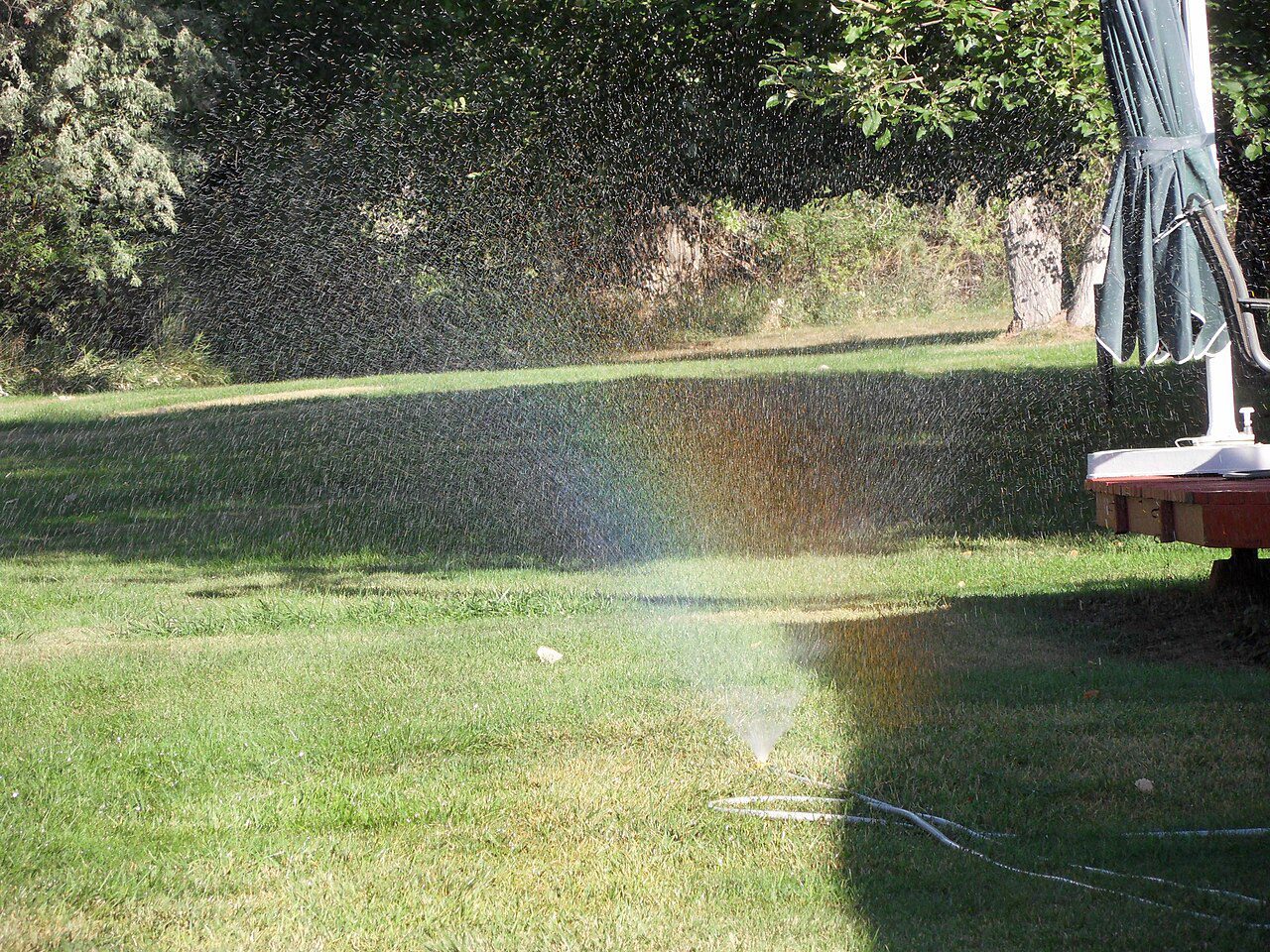
Keep the top ½ inch of soil consistently moist without pooling. In most conditions, that means two to three short watering sessions per day — not one long, deep watering. Duration depends on your sprinkler output, but 5 to 10 minutes per session is a reasonable starting point for most setups.
A hose-end irrigation timer is one of the most practical tools for the germination window. It removes the inconsistency of manual watering. It makes running two or three short cycles per day automatic — including on days when you forget or are away from home.
Common mistake to avoid: Watering new seed the same way you water established turf. One deep soak per day or every other day lets the seed zone dry completely between sessions. That is one of the most reliable ways to get zero germination from an overseeded lawn.
Once you see the first green shoots emerging, gradually shift toward less frequent but deeper watering. This trains roots to grow downward.
Pre-Emergent Herbicide: How It Stops an Overseeded Lawn from Germinating
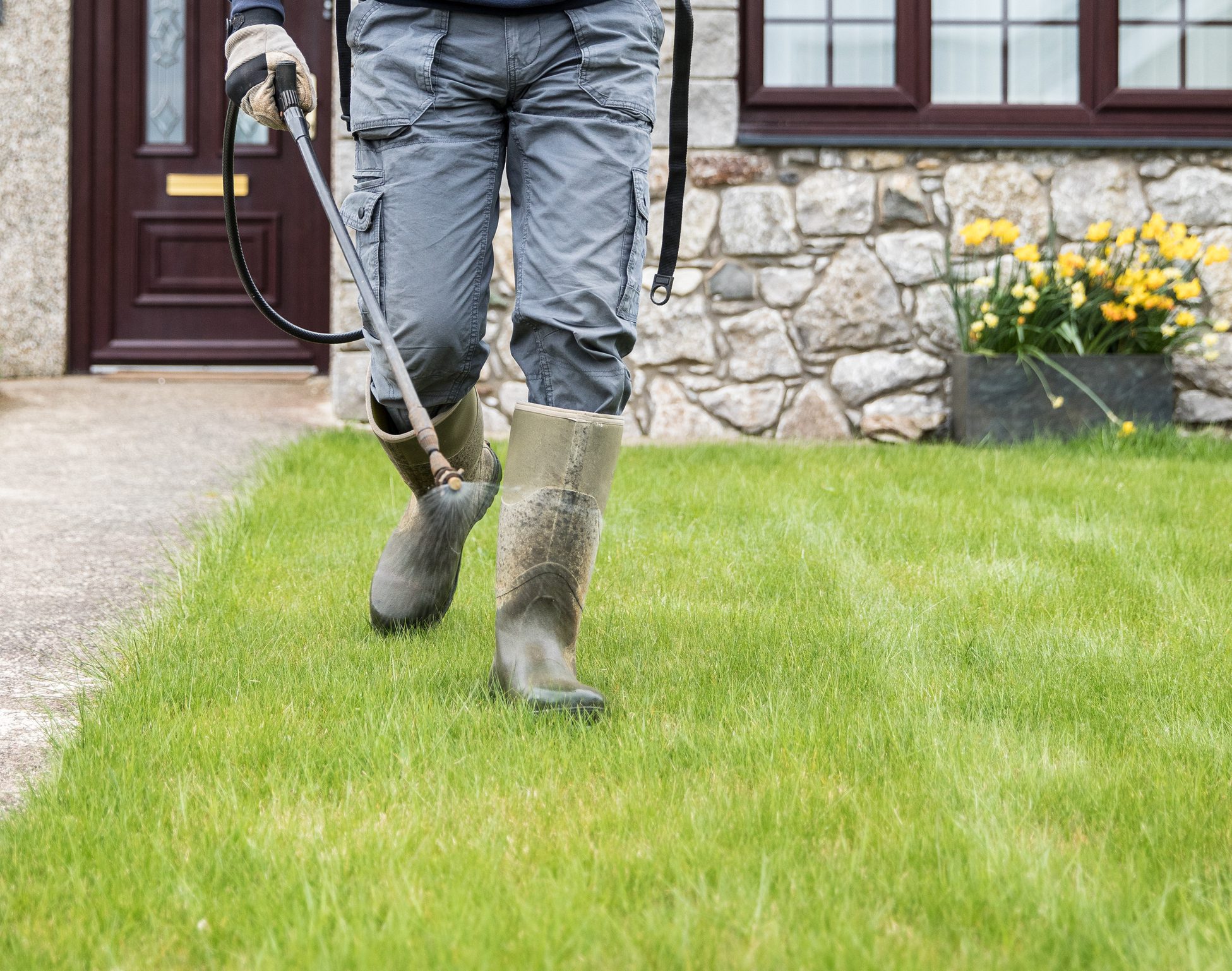
Pre-emergent herbicides — including common crabgrass preventers like Scotts Halts granular pre-emergent herbicide — create a chemical barrier in the soil. That barrier stops seeds from germinating. It does not distinguish between crabgrass seeds and Kentucky bluegrass seed. If a pre-emergent is active in your soil when you overseed, germination will be suppressed or completely blocked.
This is a complete failure mode. More water, more fertilizer, and waiting longer will not fix it.
How to Diagnose It
Check your own application records first. If you applied any weed preventer, crabgrass preventer, or pre-emergent product in the 8 to 16 weeks before overseeding, it may still be active. Read the product label for the stated residual activity period.
Also check:
- Weed-and-feed combination fertilizers: Many contain pre-emergent ingredients. If you applied one earlier in the season without realizing it, the barrier may still be in place.
- Prior owner or neighbor application: If you are unsure what was applied to your lawn before you owned it, this is worth considering as a possibility.
What to Do
You cannot reverse an active pre-emergent. The chemical barrier breaks down on its own. Check the product label for the residual period. Wait it out. Reseed in the next appropriate window once the barrier is no longer active.
Do not reseed while the pre-emergent is still active. You will waste seed. Reseeding into an active chemical barrier produces the same result every time.
When to Wait vs. When to Reseed Your Overseeded Lawn Not Germinating
Use this to make a clear decision about your next step.
Wait If:
- You are still within the normal germination window for your grass type
- Soil temperature is between 50–65°F
- You can confirm adequate seed-to-soil contact and consistent moisture
- You seeded Kentucky bluegrass — 28 days is normal, not a failure
Reseed If:
- Soil temperature has dropped below 50°F and will not recover before spring
- The pre-emergent residual period has expired and you can seed in the correct window
- You have corrected the surface prep problem (scarification or aeration done)
- You are past the outer germination window by 1.5 to 2 times with no germination whatsoever
Reseeding without fixing the underlying cause produces the same result. Identify the specific failure mode first — whether that was soil temperature, contact, watering, or herbicide interference — then reseed once the condition is corrected.
Prevention: How to Avoid an Overseeded Lawn Not Germinating Next Time
A few steps before overseeding eliminate most of these failure modes entirely:
- Check soil temperature before seeding. Target 50–65°F at 2-inch depth. A soil thermometer makes this a 30-second check.
- Confirm no active pre-emergent is in your soil. Review what was applied and when. Check residual periods against your planned seeding date.
- Prep the surface. Dethatch or lightly scarify with a thatch rake for moderate buildup. Core aerate for compacted or heavily thatched lawns — it is the single most effective prep step for overseeding.
- Water lightly and frequently. Two to three short sessions per day through the germination window. Use a timer to keep it consistent.
- Know your grass type’s germination window. If you are seeding Kentucky bluegrass, build in four weeks of patience before evaluating results.
Getting these right before you spread seed is far easier than diagnosing what went wrong after. But if you are already standing on a lawn with no germination, working through the four causes above in order will tell you exactly what happened and what to do next.
Frequently Asked Questions
How long should I wait before giving up on overseeded grass seed?
It depends on your grass type. Perennial ryegrass should appear within 10 days under good conditions. Tall fescue and fine fescue take up to 14 days. Kentucky bluegrass can take up to 28 days. If you have passed the outer end of your grass type’s window by 1.5 to 2 times with no germination, something went wrong. Use the diagnosis sections above to find the cause before reseeding.
Can grass seed germinate in cold weather?
Cool-season grass seed needs soil temperatures between 50°F and 65°F to germinate consistently. Below 50°F, seed goes dormant. It will not germinate until soil warms. Air temperature can feel mild while soil is already too cold — always check soil temperature at 2-inch depth, not the forecast.
Does Kentucky bluegrass really take 4 weeks to germinate?
Yes. Kentucky bluegrass has a naturally long germination period. Up to 28 days is normal under good conditions. Many homeowners assume failure at two weeks and reseed unnecessarily. If your soil temperature is in range and watering is consistent, give it the full window before concluding there is a problem.
Will grass seed germinate if it sits on top of thatch?
Rarely. Seed needs direct contact with mineral soil to absorb moisture and begin germinating. Seed resting on a thatch layer stays exposed and dries out quickly. It will not establish reliably. If poor seed-to-soil contact is the problem, a light compost topdress worked in with a rake can help remaining seed. For widespread failure, correct the surface before reseeding.
Can I reseed after using a crabgrass preventer?
Only after the pre-emergent residual period has expired. Check the product label for the specific breakdown period — it is typically listed as a number of weeks or months. Reseeding while a pre-emergent barrier is still active will produce the same result: no germination. Wait out the full residual period, then reseed in the next appropriate window.
Should I fertilize if my overseeded grass isn’t coming up?
Not if the soil is cold. Fertilizer does not help dormant seed germinate. If soil temperature has already dropped below 50°F, fertilizing will not move things along and may encourage weed growth instead. If the problem is something else — poor contact or watering — fix the underlying condition first. A slow-release lawn fertilizer applied at seeding time is beneficial, but adding more fertilizer after the fact rarely solves a germination failure.
What is the difference between germination failure and slow germination?
Slow germination means seed is on track but progressing at the lower end of its normal window — most often because soil temperature is cool but still in range. Germination failure means nothing is happening at all past the expected window, which points to a specific cause: soil too cold, pre-emergent active, poor seed-to-soil contact, or watering problems. The distinction matters because slow germination just needs time, while failure needs a diagnosis before reseeding.
Subscribe to our Newsletter for Weekly updates!