If you have cool season grass — Kentucky bluegrass, tall fescue, fine fescue, or perennial ryegrass — this spring lawn care checklist for cool season turf covers every task you need, in the order you need to do them. Bookmark it, print it, or pull it up on your phone while you work. This spring lawn care checklist cool season homeowners actually need is sequenced by phase, not by month, because cool season grass follows soil temperature — not the calendar.
Disclosure: This article contains affiliate links. If you purchase through these links, I may earn a small commission at no extra cost to you. As an Amazon Associate, I earn from qualifying purchases.
Why Timing Matters More Than the Calendar for Cool Season Lawn Care
Here is the thing about cool season grass: it does not care what month it is. It responds to soil temperature, not the date. The right window to start spring tasks is when soil temps are consistently in the 45–55°F range. That might be late February in Virginia or early April in Minnesota. The calendar is a rough guess at best.
A soil thermometer takes the guesswork out of it. Push the probe 2–3 inches into the ground first thing in the morning for the most accurate reading. Air temperature can be 20 degrees warmer than soil temperature in early spring — so that 60°F morning does not mean the soil is ready.
Acting too early is a real problem. Pre-emergent applied to soil below 50°F breaks down before crabgrass germinates. Fertilizer applied before grass is actively growing either sits inert or feeds weeds. Patience through March is one of the higher-value things you can do for your lawn.
Your Spring Lawn Care Checklist for Cool Season Grass: Task-by-Task Breakdown
This cool season spring lawn care checklist runs from late winter through late spring. Tasks are ordered by sequence — some are one-time steps, others repeat as conditions change. Work through them in order. The sequence matters, especially around the pre-emergent and overseeding decision in Phase 4.
Phase 1 — Cleanup, First Mow, and Assessing Winter Damage
[ ] Clear debris and matted areas Remove leaves, sticks, and anything that sat on the lawn all winter. Matted material blocks light and traps moisture — a setup for fungal disease right at green-up.
[ ] Check thatch depth Cut a small plug with a knife and measure the layer between green growth and bare soil. More than ½ inch of thatch (the layer of dead organic matter between the grass and soil) can restrict water and nutrient penetration. Flag it for attention — more on aeration timing in Phase 5.
[ ] Walk the lawn and mark bare spots Note where you have thin or bare areas. You will need to decide between spring overseeding and waiting until fall. That decision has downstream consequences covered in Phase 4.
] Do not scalp cool season grass This is a common mistake. [Scalping — cutting grass extremely short to remove dormant material — is a warm season grass technique. On cool season lawns it damages crown tissue right when the plant needs energy most. Lower your mowing height slightly from your winter setting, but never remove more than one-third of the blade in a single pass.
[ ] First mow: match height to grass type
- Tall fescue: 3–4 inches
- Kentucky bluegrass: 2.5–3.5 inches
- Fine fescue: 2.5–3 inches
- Perennial ryegrass: 2–3 inches
A sharp blade matters here. Dull blades tear grass crowns rather than cutting them cleanly, and torn tissue is an open door for disease. If your mower blade has not been sharpened since last fall, now is the time.
Phase 2 — Soil Testing and Amendment Decisions
] Pull a soil test if you have not tested in 2–3 years Spring is a fine time to test. A [lab mail-in test gives you actual amendment recommendations; at-home test strips give you a rough pH reading and not much else. Know what you are working with before you spend money on inputs.
[ ] Review results before buying any fertilizer or lime pH outside the 6.0–7.0 range for cool season grass affects how well the grass can access nutrients — regardless of what you apply. Fixing pH is more important than adding fertilizer if the soil chemistry is off.
[ ] Apply lime only if your test confirms low pH Do not apply lime without test results backing it up. Fall is the ideal timing for lime, but if a fall or winter test confirmed deficiency, a spring application is acceptable. Rate guidance should come from your specific test results.
Soil amendments take weeks to shift chemistry. If you test in spring, much of the benefit shows up in fall. That is still worth doing.
Phase 3 — Fertilizing Cool Season Grass in Spring
[ ] Apply a light nitrogen application at green-up — not a heavy feed The target is around 0.5 lb of actual nitrogen (N) per 1,000 sq ft at green-up. This supports early recovery without pushing aggressive shoot growth at the expense of root development, which is where cool season grass should be investing energy right now.
[ ] Match nitrogen type to soil temperature
- Soil temp 55–65°F (mid-spring): shift to slow-release nitrogen — polymer-coated or IBDU — to feed steadily without triggering a growth surge
Slow-release fertilizer products are the better fit for mid-spring. Look for “polymer-coated” or “controlled-release” on the label rather than straight urea, which releases all at once and can push excessive top growth.
[ ] Skip heavy spring fertilizing if you plan to overseed Heavy nitrogen feeds established grass aggressively, which crowds out new seedlings competing for light and space.
[ ] Avoid high-phosphorus starter fertilizer unless you are seeding Established lawns rarely need phosphorus supplementation. Reserve starter fertilizer (high middle number in the N-P-K ratio) for areas where you are putting down seed.
] Organic fertilizer users: wait for warmer soil Organic nitrogen sources do not release until soil microbial activity kicks in — typically above 55°F. Applying organic products to cold soil accomplishes nothing. For a full breakdown of which products work and when, see [Organic Lawn Fertilizer Options: What Works and What to Skip.
Phase 4 — Pre-Emergent Herbicide, Overseeding, and the Conflict You Need to Resolve
This is the most consequential decision point on the spring cool season lawn care checklist. Get this wrong and you will either waste herbicide or waste seed.
[ ] Decide first: pre-emergent or overseeding — you almost certainly cannot do both Pre-emergent herbicides work by creating a chemical barrier in the soil that prevents seeds from germinating. That includes crabgrass seeds and grass seeds. If you apply pre-emergent, any overseeding attempt in the same area will mostly fail.
[ ] Apply pre-emergent when soil temperature consistently hits 50–55°F This is the window just before crabgrass germination. Timing to soil temperature — not to a date — is what makes pre-emergent work. A soil thermometer is the right tool here. Granular pre-emergent products applied with a broadcast spreader give the most even coverage across the lawn.
[ ] If overseeding bare spots: skip pre-emergent in those zones Apply pre-emergent everywhere else and spot-treat any weeds that emerge in the bare areas with a post-emergent product after grass is established.
] If your lawn is thin overall: seriously consider waiting until fall to overseed Fall overseeding is biologically superior for cool season grass — soil is warm enough for fast germination, air temperatures are cooling, and there is less competition from summer weeds. [Spring overseeding is a compromise, not the ideal window, and understanding the tradeoffs before committing will save you wasted seed and effort.
[ ] Post-emergent weeds: wait until grass has been mowed at least twice Applying broadleaf herbicide while cool season grass is still shaking off dormancy adds stress at the worst time. Give it a couple of mow cycles before treating weeds.
Phase 5 — Aeration Timing for Cool Season Lawns
[ ] Do not aerate in early spring This is one of the most common cool season lawn care tips that gets ignored. Spring aeration disrupts any pre-emergent barrier you have applied and opens the soil surface to weed pressure right when annual weeds are germinating. It is the wrong timing.
[ ] Schedule core aeration for fall — mark your calendar now Core aeration for cool season grass belongs in late August through September, just before the main fall growth flush. That is when the grass can recover and fill in aeration holes quickly.
[ ] Exception for severe compaction only If you have extreme compaction — water pooling, soil hard as concrete — a spring aeration pass may be the only way to make the lawn responsive to anything else you do. Weigh the pre-emergent tradeoff carefully before you proceed.
Phase 6 — Irrigation Startup and Spring Watering
[ ] Restart your irrigation system and inspect for winter damage Run each zone manually, walk the lawn while it runs, and look for broken or misaligned sprinkler heads. Fix coverage gaps before summer heat makes them obvious.
[ ] Set watering to match spring demand — not summer habit Cool season grass in spring typically needs about 1 inch of water per week total, including rainfall. Cool soil temperatures reduce evaporation and grass demand. Overwatering in spring promotes shallow root growth and disease.
] Skip irrigation after meaningful rainfall [Check soil moisture before running the system — a quick probe read will tell you whether to water or skip the scheduled cycle entirely.
How to Sequence Your Spring Lawn Care Checklist for Cool Season Results
Here is the full spring lawn care checklist cool season homeowners should follow, condensed into one quick-reference order of operations:
- Clear debris and assess winter damage
- Pull a soil test
- First mow at the correct height — no scalping
- Light nitrogen application at green-up (0.5 lb N per 1,000 sq ft)
- Make the pre-emergent vs. overseeding decision — commit to one
- Apply granular pre-emergent at the soil temp trigger (if not overseeding)
- Mid-spring shift to slow-release nitrogen as soil warms past 55°F
- Post-emergent spot treatment after two mow cycles
- Restart irrigation and calibrate to spring demand
- Flag core aeration and fall overseeding for late August or September
Once this checklist is complete: Your spring setup is done. The next major decision window is early summer — adjusting irrigation as temperatures climb and watching for early signs of disease pressure or drought stress. Mark your calendar to revisit your lawn care schedule in late August, when cool season grass enters its most important growth window of the year and fall prep begins.
Frequently Asked Questions: Spring Lawn Care for Cool Season Grass
When should I start my spring lawn care routine for cool season grass?
Start when soil temperatures are consistently between 45–55°F at a 2–3 inch depth. Do not rely on air temperature or the calendar — use a soil thermometer for an accurate read. Acting before soil hits that threshold wastes product and stresses grass coming out of dormancy.
Can I apply pre-emergent and overseed in the same spring?
Not in the same areas. Pre-emergent herbicides block seed germination — including grass seed. If you apply a blanket pre-emergent, overseeding in those zones will mostly fail. You can skip pre-emergent in bare spots you plan to seed, then treat emerging weeds in those areas with a post-emergent product after the new grass establishes.
Should I fertilize cool season grass in early spring or wait?
A light application — around 0.5 lb of actual nitrogen per 1,000 sq ft — is appropriate at green-up. Avoid heavy feeding in early spring, which pushes excessive shoot growth at the expense of root development. Save the heavier, slow-release application for mid-spring when soil temps have climbed above 55°F.
Is spring a good time to aerate cool season grass?
Generally no. Spring aeration disrupts pre-emergent herbicide barriers and opens the soil surface to weed pressure during peak annual weed germination. Core aeration belongs in late August through September for cool season lawns, just before the main fall growth flush when grass can recover quickly.
What soil temperature triggers spring lawn care tasks for cool season grass?
The key thresholds are: 45–55°F for beginning light fertilization and cleanup tasks; 50–55°F for pre-emergent herbicide application; and 55°F or above for shifting to slow-release nitrogen and for organic fertilizer products to begin releasing. A soil thermometer pushed 2–3 inches into the ground gives you the reading you need.
How do I know if my lawn has snow mold versus normal winter damage?
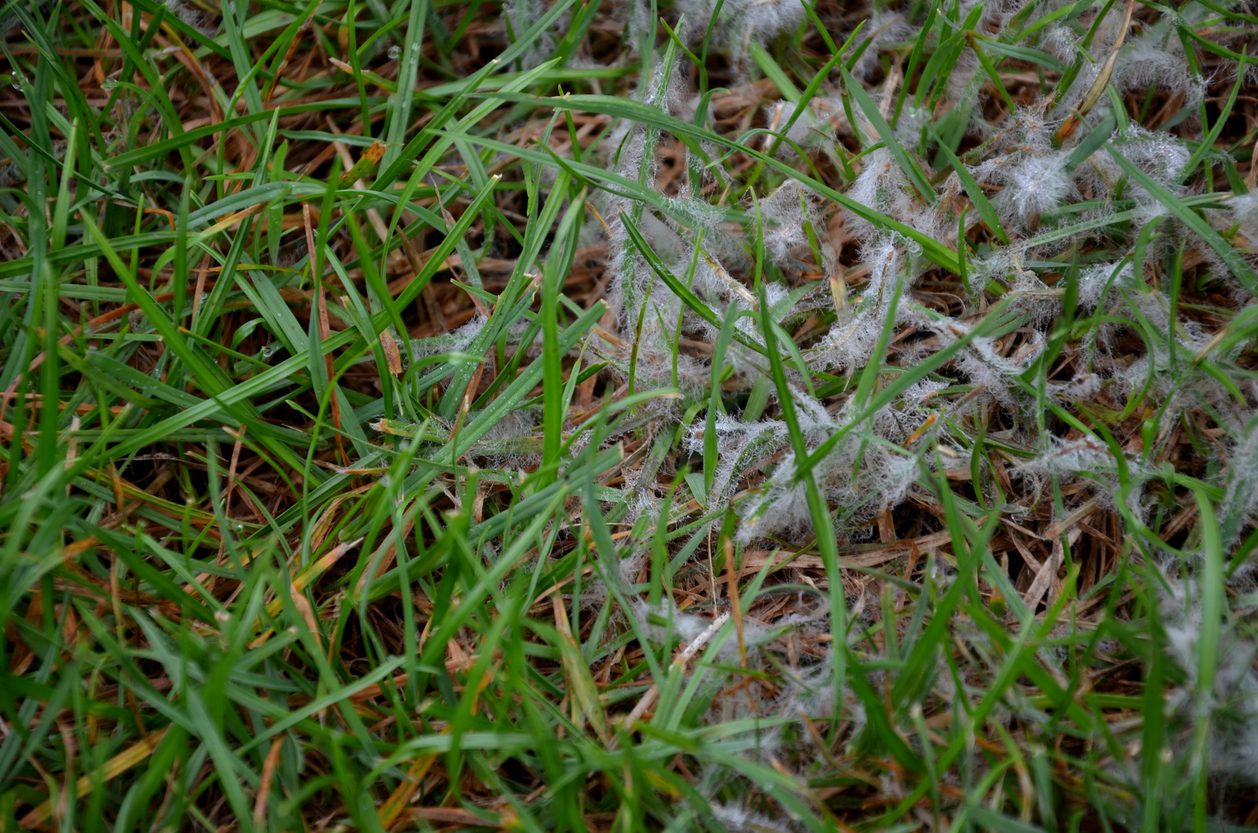
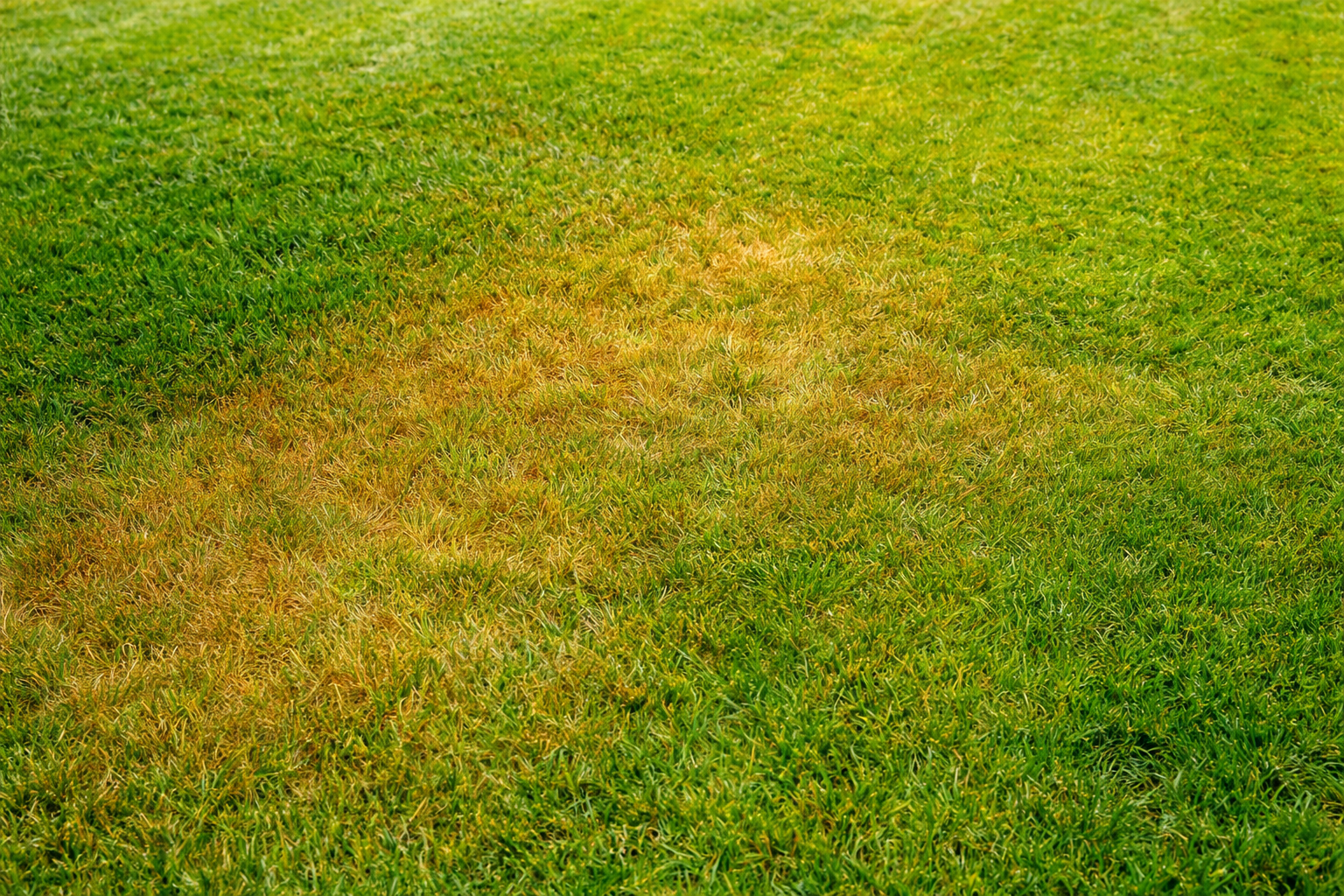
Snow mold appears as circular white, gray, or pink patches — typically 3 to 12 inches in diameter — where matted grass has developed a fuzzy or slimy texture underneath. Normal winter damage looks more like overall thinning, browning, or dead zones without a distinct circular pattern. Rake snow mold areas lightly to improve airflow; most cases recover without fungicide treatment.
What is the right mowing height to start the season for tall fescue or Kentucky bluegrass?
Tall fescue should be mowed at 3–4 inches. Kentucky bluegrass performs best at 2.5–3.5 inches. Never drop below those ranges in spring — removing more than one-third of the blade in a single pass stresses the plant when it needs energy most for root development and recovery from winter.

Lawn Care Enthusiast & Homeowner
Subscribe to our Newsletter for Weekly updates!