
Best Post-Emergent Herbicide for Broadleaf Weeds in Tall Fescue and Kentucky Bluegrass
Disclosure: This article contains affiliate links. If you purchase through these links, I may earn a small commission at no extra cost to you. As an Amazon Associate, I earn from qualifying purchases. If you’re standing in your yard staring at a lawn full of dandelions, clover, or creeping Charlie, choosing the right post-emergent herbicide […]
How Much Water Does Cool Season Grass Actually Need Per Week?
Disclosure: This article contains affiliate links. If you purchase through these links, I may earn a small commission at no extra cost to you. As an Amazon Associate, I earn from qualifying purchases. Most cool season grasses need 1 to 1.5 inches of water per week, combining rainfall and irrigation together. If you’re wondering how […]
Fairy Ring in Cool Season Grass: Is It Harmful and How Do You Fix It?
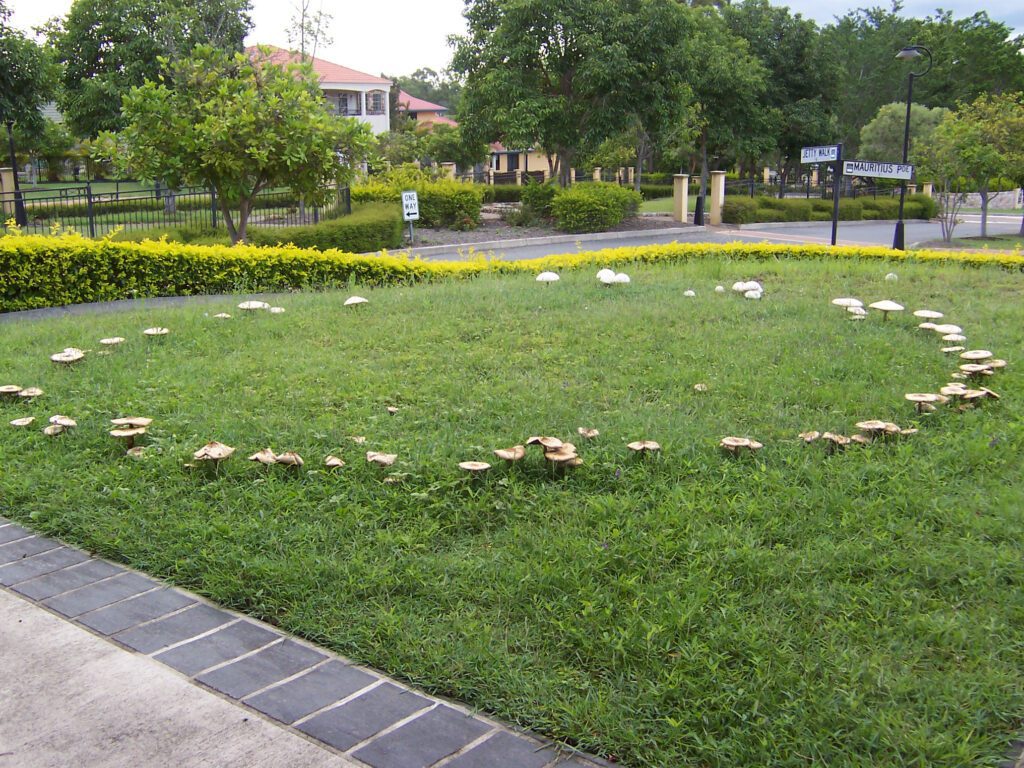
The most common reason homeowners search fairy ring in cool season grass is because they spotted something they have never seen before — a near-perfect circle of dark green turf, a ring of dead grass, or a row of mushrooms curving across the lawn. Before you do anything, you need to know which type of […]
How to Renovate a Cool Season Lawn in Fall: The 6-Week Window That Fixes Most Problems
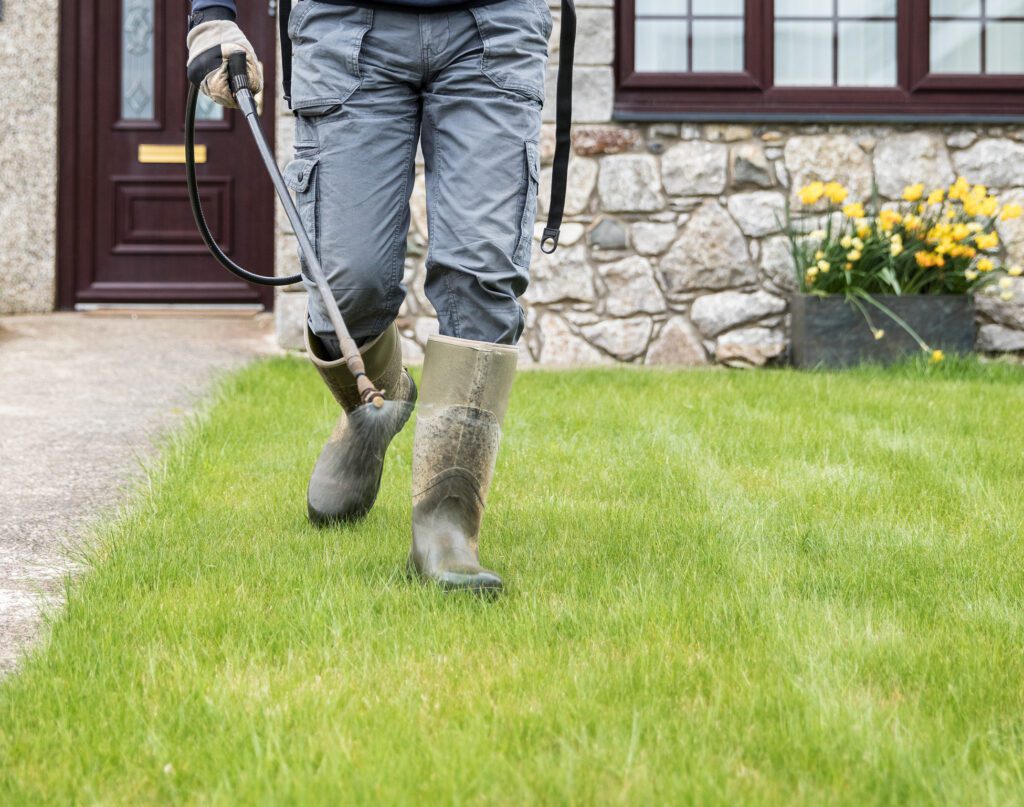
A complete fall lawn renovation for cool season grass comes down to six weeks and a clear sequence. Do it in the right order, in the right window, and most lawns respond quickly. Miss the window or mix up the steps, and you’ve wasted a full season. This guide gives you the plan — week […]
When to Aerate Cool Season Grass: Fall vs. Spring Timing Explained
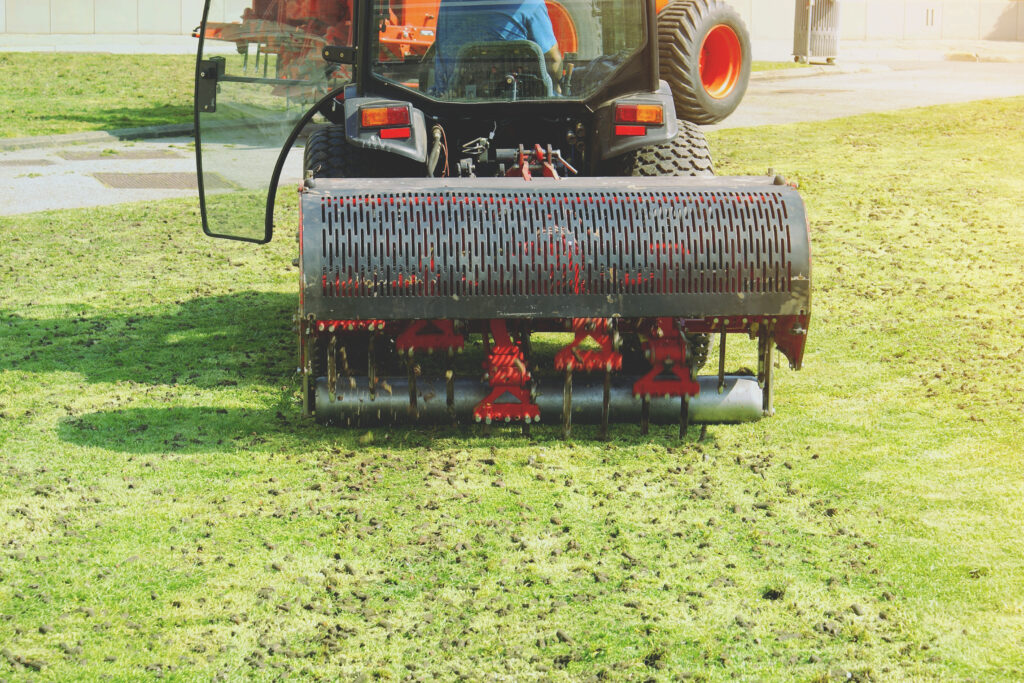
Knowing when to aerate cool season grass is one of those decisions that looks simple on the surface but has real consequences when you get it wrong. Aerate at the wrong time, and you’ll either invite weeds into open soil, stress a lawn that can’t recover, or waste a weekend of effort with little to […]
Cool Season Grass Dormant in Summer — Or Actually Dying? Here’s How to Tell
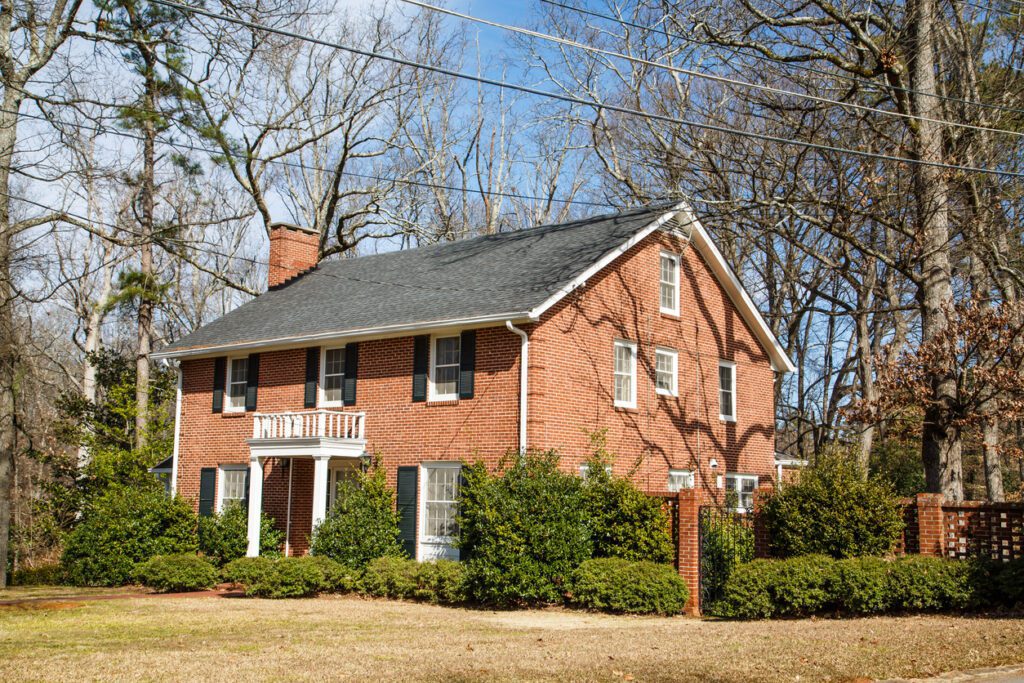
When cool season grass goes dormant in summer, the browning looks almost identical to death — but it almost never is. Before you drag out a hose on a schedule or rip up turf to reseed, you need to know which situation you’re actually in. The actions are completely different, and doing the wrong one […]
Overseeded Lawn Not Germinating? Here’s Why Your Grass Seed Isn’t Coming Up
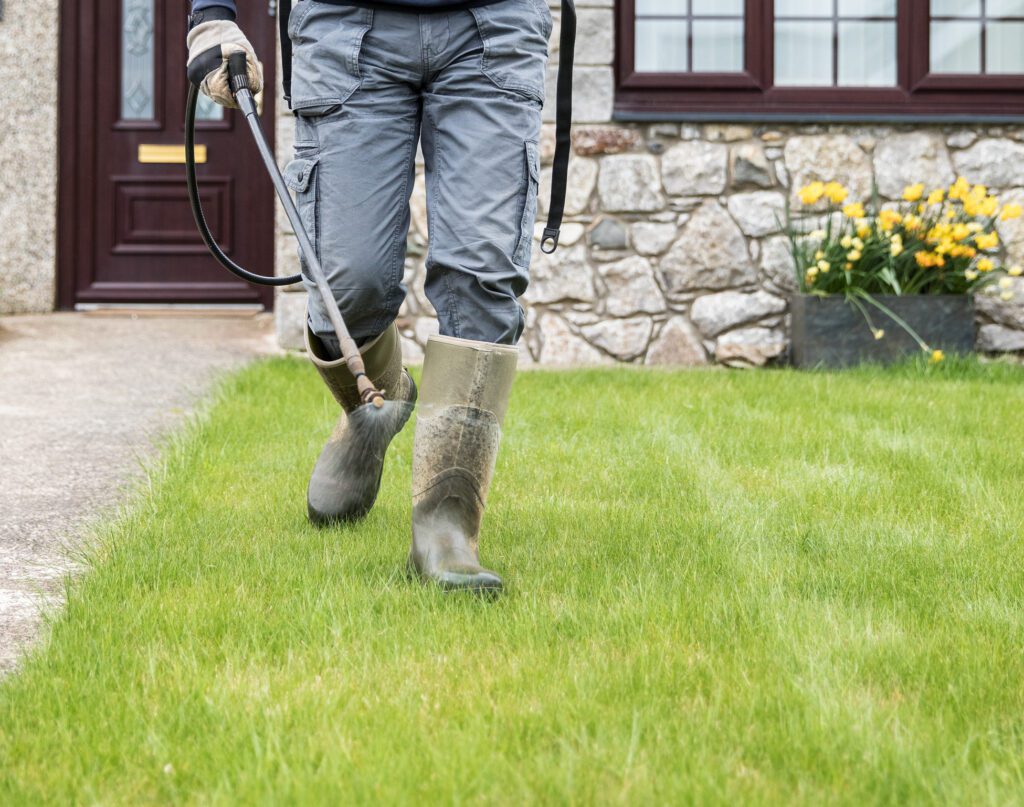
If you have an overseeded lawn not germinating after one to three weeks, there is almost always a specific, fixable reason — and it is rarely bad seed. Most cool-season grass seed germination problems come down to four causes: soil temperature, poor seed-to-soil contact, incorrect watering, or an active pre-emergent herbicide in the soil. Work […]
Fall Fertilizing Schedule for Cool Season Grass: Why This Window Matters Most

A reliable fall fertilizing schedule for cool season grass is the single highest-impact thing you can do for your lawn each year. For Kentucky bluegrass, tall fescue, fine fescue, and perennial ryegrass, fall is the most important feeding window — more impactful than anything you do in spring. Getting cool season lawn fall feeding right […]
Pre-Emergent Timing for Cool Season Lawns: Use Soil Temperature, Not the Calendar
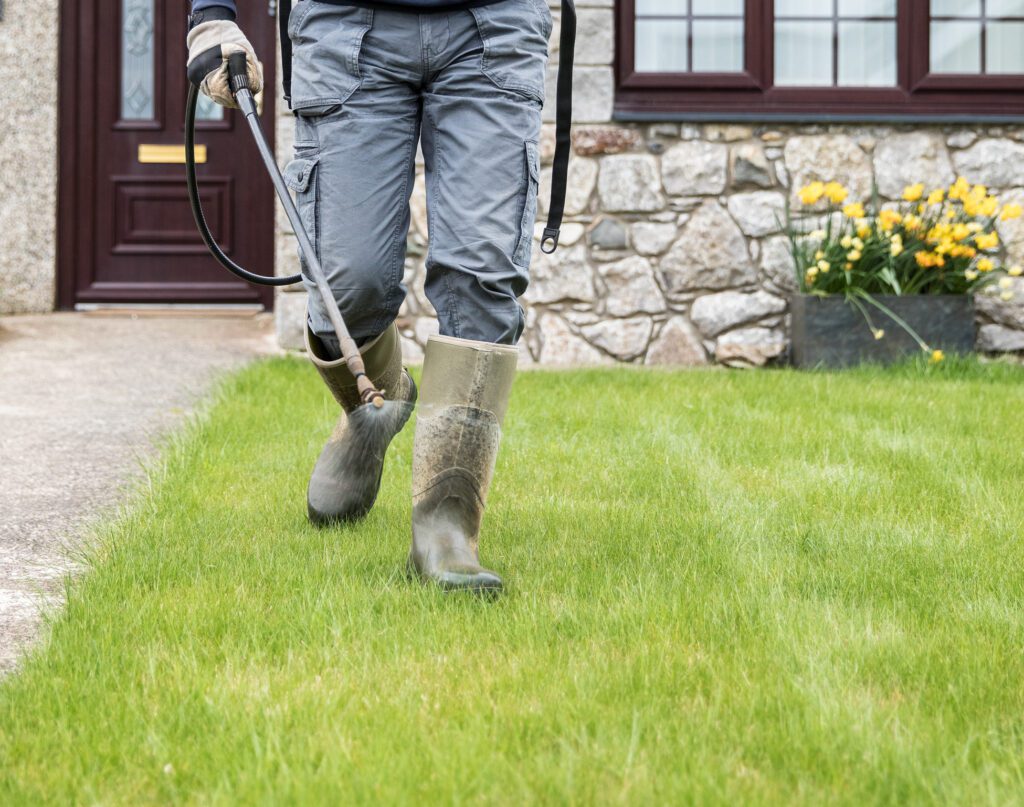
The date printed on the bag and the old rule about forsythia blooming are useful approximations — but they fail regularly. Getting pre-emergent timing right on a cool season lawn comes down to one thing: soil temperature. That’s the actual trigger for crabgrass and other summer annual weed germination, and it’s what your pre-emergent barrier […]
Cool Season Lawn Care Winter: What Actually Needs Doing From December Through February

Cool season lawn care winter is mostly a waiting game — but a few specific actions and a handful of avoidable mistakes can mean the difference between a lawn that bounces back strong in March and one that’s patchy, compacted, or fighting pH problems all spring. If you’re wondering what to do with lawn in […]