
By James Whitfield
Kentucky bluegrass is a cool-season perennial grass that spreads by underground stems called rhizomes, producing a dense, self-repairing turf in full sun and cool, moist climates — but it struggles badly in heat, drought, shade, and low-fertility soil.
That one sentence covers most of what you need to know before you decide whether this grass belongs in your yard. The details matter, though — understanding the full kentucky bluegrass pros and cons picture is what helps you make the right call. The full story is genuinely nuanced, and a lot of homeowners get burned by not understanding it before they seed.
What Kentucky Bluegrass Actually Is and Why Homeowners Choose It
Kentucky bluegrass is a cool-season perennial, which means it does its best growing when temperatures are between roughly 60°F and 75°F. That puts its peak performance windows in spring and fall. When summer heat arrives, it slows down — and in hot, dry summers, it goes fully dormant and turns brown.
Here is the thing about Kentucky bluegrass that genuinely sets it apart from most other grasses: the rhizome system. Rhizomes are horizontal underground stems that spread outward and send up new shoots. This is what gives Kentucky bluegrass its ability to fill in bare spots on its own and recover from damage without you reseeding. Most other cool-season grasses — tall fescue, perennial ryegrass — are bunch-type grasses. They grow in clumps and can’t spread laterally. If a patch dies, it stays dead until you reseed it. Kentucky bluegrass fills that gap by itself, as long as conditions support growth.
That self-repair quality, combined with its fine texture and rich blue-green color, is why it developed the reputation as the premium lawn grass for northern climates. It’s also the grass behind Kentucky’s nickname — the “Bluegrass State” — and it’s the species used on high-end golf fairways and sports fields across the northern U.S.
Homeowners choose it for looks. A well-established Kentucky bluegrass lawn in the right climate is genuinely beautiful — dense, uniform, and lush in a way that bunch grasses can’t quite replicate.
One detail that surprises people: it germinates slowly. Plan for 14 to 21 days under good conditions. That’s significantly slower than perennial ryegrass or tall fescue, and it means bare soil stays exposed to weed competition longer than most people expect.
The Conditions Where Kentucky Bluegrass Genuinely Thrives
Kentucky bluegrass performs best in USDA hardiness zones 3 through 6. Think Minnesota, Wisconsin, northern Ohio, upstate New York, Michigan, and the Colorado Front Range. These climates offer exactly what it needs: cool springs and falls with moderate summers that don’t bake the soil for months at a time.
Sunlight is non-negotiable. Kentucky bluegrass needs a minimum of 6 to 8 hours of direct sun per day. Full sun is where it builds its best density and where the rhizome system stays active. Less than that, and it starts thinning.
Soil matters more than most people realize. It prefers well-drained, fertile loam with a pH between 6.0 and 7.0. Compacted, acidic, or nutrient-poor soils limit how well the rhizomes spread and how dense the turf gets. A soil test before seeding is worth doing — it tells you whether your pH and fertility levels can actually support this grass before you invest time and money.
Moisture requirements shift with the season. During spring and fall — its active growing periods — Kentucky bluegrass doesn’t need constant irrigation in the right climate. Consistent natural rainfall does the work. It’s summer moisture management where things get complicated.
Transition zone note: Kentucky bluegrass can work in the cooler parts of zone 7 — southern Indiana, central Virginia, eastern Kansas — but only with reliable irrigation and active management. The margin for error shrinks considerably compared to zones 3 through 6.
Kentucky Bluegrass Cons: Where It Struggles and Why It Fails
This is the section that matters most if you’re trying to figure out why an existing Kentucky bluegrass lawn is underperforming — or whether it’s the right choice at all. Understanding these cons is just as important as knowing the pros when evaluating the full kentucky bluegrass pros and cons picture.
Summer heat is the most common source of homeowner confusion. When soil temperatures push above 85°F and air temperatures climb into the 90s, Kentucky bluegrass goes dormant. The lawn turns straw-brown. This is a protective mechanism, not lawn death. The grass is still alive underground. The mistake most people make is treating dormancy as a failure — watering aggressively, applying products that won’t help, or ripping out the lawn entirely. Dormancy is normal. Recovery comes with cooler fall temperatures.
Drought is where things get more serious. Kentucky bluegrass has a shallower root system than tall fescue, which means it can’t access deep soil moisture during dry spells. Extended drought in a hot summer doesn’t just cause dormancy — it can cause actual dieback. Without supplemental irrigation in dry regions, this grass is vulnerable in ways that deep-rooted grasses simply aren’t.
Shade is the most common reason Kentucky bluegrass fails in residential lawns. Under mature trees, on the north side of a house, in any spot that gets fewer than 4 hours of direct sun per day, Kentucky bluegrass thins and eventually dies. It’s not a slow decline — shade kills it with frustrating reliability, and homeowners often keep reseeding the same shaded spots without understanding that the grass was never going to survive there.
Transition zone and southern climates push this grass beyond its range. Zone 7 and warmer means summer dormancy becomes so prolonged and heat stress so cumulative that what starts as seasonal browning can slide into permanent decline. If you’re in Georgia, Texas, or even much of the mid-Atlantic region, Kentucky bluegrass is not built for your climate.
Slow establishment compounds the other problems. During the 14 to 21 days of germination, bare soil is exposed and vulnerable to weed takeover. Homeowners who seed in late spring instead of fall often lose significant ground to crabgrass and broadleaf weeds before the grass establishes — and then summer heat arrives before it has time to mature. If your lawn has already suffered significant damage from these challenges, following a How to Fix a Bad Lawn Step by Step Renovation Guide can help you reset and approach the process correctly from the start.
Soil compaction impedes the rhizome spread that makes Kentucky bluegrass special. In heavy clay soils, those lateral stems struggle to move through the ground, which limits the self-repair quality that homeowners are counting on.
Kentucky Bluegrass vs. Tall Fescue: Pros and Cons for Your Cool Season Lawn
This comparison comes up constantly, and for good reason — these are the two most widely planted cool-season grasses in the northern and transitional U.S. Weighing the kentucky bluegrass pros and cons against tall fescue is often the deciding factor for homeowners in zones 5 through 7. For a broader look at how these grasses compare side by side, the Complete Guide to Cool Season Grasses (Fescue, Bluegrass, Rye) is worth reading before you commit to a seed choice. Here is how they stack up directly:
| Factor | Kentucky Bluegrass | Tall Fescue |
|---|---|---|
| Shade tolerance | Poor | Moderate |
| Drought tolerance | Poor to moderate | Moderate to good |
| Self-repair | Yes (rhizomes) | No (bunch-type) |
| Heat tolerance | Low | Moderate |
| Establishment speed | Slow (14–21 days) | Faster (7–14 days) |
| Best climate zones | 3–6 | 5–7 |
| Fertility demand | High | Moderate |
The decision framework is simpler than it looks. If you have shade, choose tall fescue. If you’re in the transition zone (zones 6b to 7a), tall fescue is generally the safer bet — it handles summer heat and extended dry periods better than Kentucky bluegrass can.
If you have full sun and you’re genuinely in a cool climate, Kentucky bluegrass gives you a better-looking lawn over the long term. The rhizome system and the turf density it produces are real advantages that tall fescue can’t match.
One thing worth knowing: many seed mixes blend Kentucky bluegrass with perennial ryegrass or fine fescue. This is common and intentional. Ryegrass germinates fast and provides early coverage while the Kentucky bluegrass establishes slowly. Fine fescue adds shade tolerance to the mix. Blended mixes often outperform pure Kentucky bluegrass stands in real-world residential conditions.
Kentucky Bluegrass Management Basics You Need to Know Before You Seed
This isn’t a care guide — but a few realities about Kentucky bluegrass lawn care directly affect whether it’s the right choice for your situation.
Fertility demand is high. Kentucky bluegrass needs consistent nitrogen to maintain its density and color. It will thin out on lean soil. If you’re not prepared to fertilize regularly, fine fescue or tall fescue will hold up better without that input. A cool season fertilizer applied during the spring and fall growth windows makes a meaningful difference in turf density and color.
Mowing height matters. The correct range is 2.5 to 3.5 inches. Cutting it shorter stresses the plant, especially in summer. Homeowners who mow Kentucky bluegrass short in July are accelerating summer thinning.
Fall is the only seeding window that makes consistent sense. Cool-season grasses generally do best when seeded in fall, but Kentucky bluegrass’s slow germination makes fall seeding especially important. Spring seeding is possible but leaves the grass immature when summer heat arrives. Late August through mid-September is the sweet spot in most northern climates. When you’re ready to plant, choosing a quality Kentucky bluegrass seed makes a meaningful difference in germination rates and long-term turf density.
Summer browning is not a problem to solve. If you’ve been managing your Kentucky bluegrass correctly and it browns in August, that is the grass behaving exactly as designed. Cooler fall temperatures bring it back without intervention.
Kentucky Bluegrass Pros and Cons: A Decision Framework for Homeowners
Understanding the kentucky bluegrass pros and cons in the abstract is useful. Applying them to your specific yard is what actually matters. Answer these five questions honestly before you commit:
- Do you have 6 or more hours of direct sun per day? If no — eliminate Kentucky bluegrass from consideration.
- Are you in USDA zones 3 through 6? If you’re in zone 7 or warmer — this is not the right grass for your climate.
- Is your soil well-drained with a pH near 6.5? If you have heavy clay or confirmed acidic soil — fix those conditions first, or choose a more tolerant grass.
- Are you prepared to irrigate during summer dry spells? If no — tall fescue or fine fescue handle drought better without supplemental watering.
- Do you want a lawn that fills in bare spots on its own? If yes — Kentucky bluegrass has a real advantage over bunch-type grasses when conditions support it.
If you answered yes to all five, Kentucky bluegrass is worth pursuing. If you answered no to two or more, look seriously at tall fescue or fine fescue before you commit.
Frequently Asked Questions About Kentucky Bluegrass
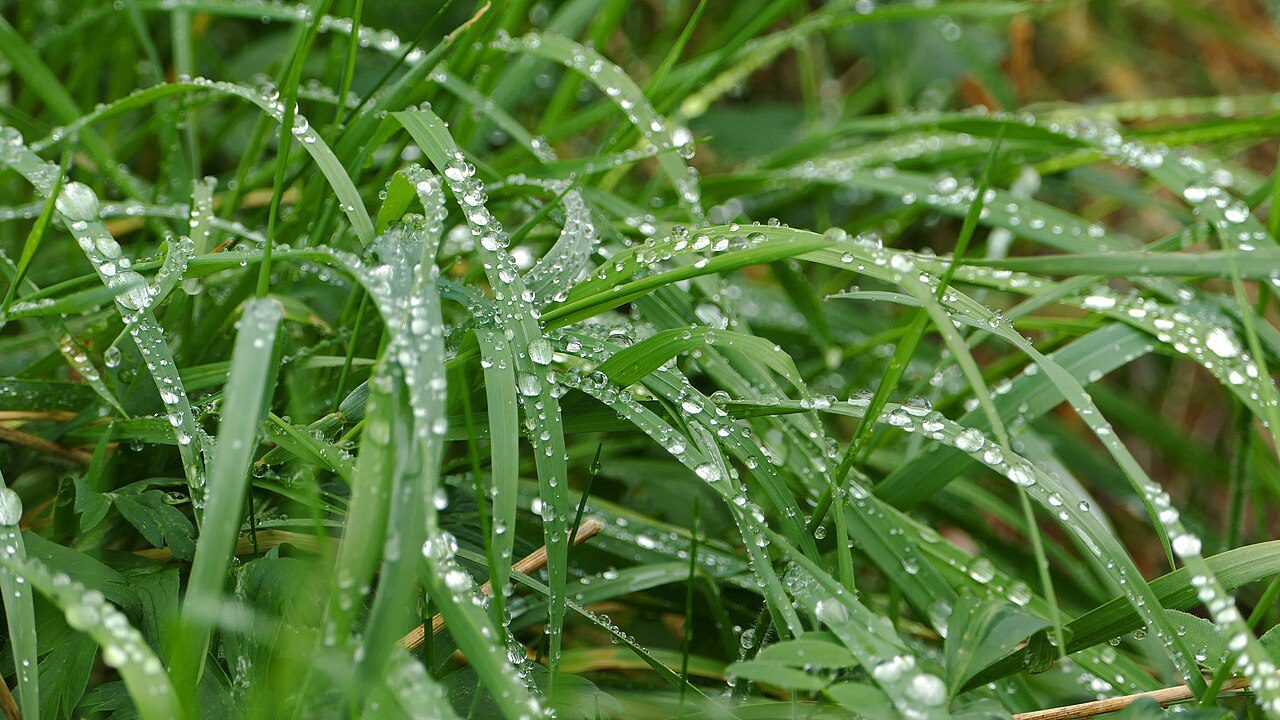
What does Kentucky bluegrass look like? Kentucky bluegrass has fine-textured, blue-green blades with a distinctive boat-shaped tip — visually distinct from the coarser, wider blades of tall fescue. The blue-green color is one of the reasons it’s considered aesthetically premium among cool-season grasses.
Does Kentucky bluegrass go dormant in summer? Yes. Kentucky bluegrass browns out when soil temperatures exceed roughly 85°F. This is a natural protective response, not lawn death. The grass remains alive underground and typically recovers with cooler fall temperatures without any intervention required.
How long does Kentucky bluegrass take to germinate? Under ideal conditions — adequate soil moisture, temperatures between 50°F and 65°F — Kentucky bluegrass germinates in 14 to 21 days. That makes it one of the slowest-germinating cool-season grasses, which is why fall seeding timing is especially important.
Can Kentucky bluegrass grow in shade? Not reliably. It needs at least 6 hours of direct sun per day to maintain density. Shade is the most common reason Kentucky bluegrass fails in residential lawns, particularly in yards with mature trees or structures that block sun for significant portions of the day.
Is Kentucky bluegrass good for the transition zone? Only in the cooler portions — zone 6 and the northern edge of zone 7. In zone 7 and warmer, summer heat is too prolonged and the cumulative stress too high. Tall fescue is a better fit for most of the transition zone.
Why is my Kentucky bluegrass thin in summer? The most likely explanation is summer dormancy combined with heat, drought, or shade stress — or some combination of all three. Summer thinning is not typically a disease problem. If the lawn was healthy going into summer, it generally recovers with cooler fall temperatures and adequate moisture. Persistent thinning that doesn’t recover in fall points to a shade or soil fertility problem worth addressing directly.
The Bottom Line on Kentucky Bluegrass
Kentucky bluegrass has an outsized reputation partly because it looks spectacular on golf courses and professional sports fields. What those places have that most homeowners don’t are irrigation systems, aggressive fertility programs, and professional maintenance budgets. Strip those away and the kentucky bluegrass pros and cons balance shifts considerably — and the grass reveals its real requirements: full sun, cool climate, consistent fertility, and water during dry stretches.
In the right conditions, it is genuinely the best-looking cool-season lawn grass available to homeowners. That dense, blue-green turf with the self-repairing rhizome system is what the reputation is built on, and it’s earned.
In the wrong conditions — too much shade, too much summer heat, too little water, too little fertility — it’s a frustrating grass that browns out, thins, and fails to live up to what the bag promised.
The honest answer to “is Kentucky bluegrass right for my lawn” almost always comes down to two things: where you live, and how much sun your yard actually gets. Get those two right, and Kentucky bluegrass is worth every bit of its reputation.

Lawn Care Enthusiast & Homeowner
Subscribe to our Newsletter for Weekly updates!