
Tall Fescue in Summer Heat: What Really Happens in July and August
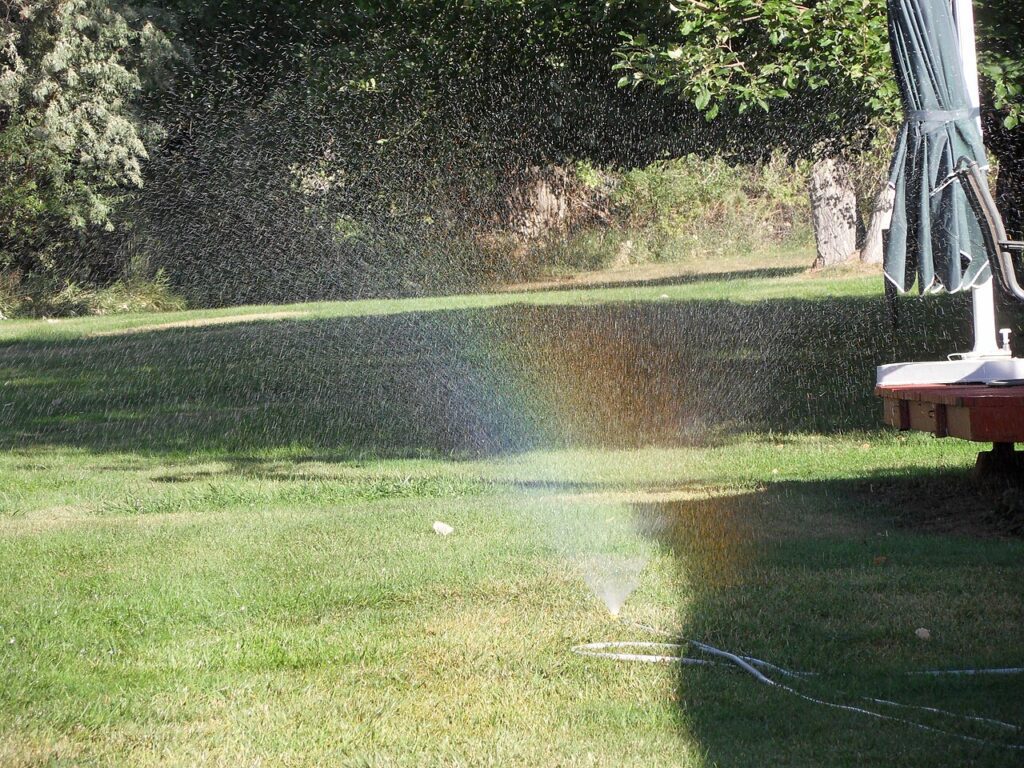
By James Whitfield, Lawn Care Enthusiast & Homeowner Disclosure: This article contains affiliate links. If you purchase through these links, I may earn a small commission at no extra cost to you. As an Amazon Associate, I earn from qualifying purchases. If you’re standing in your yard in July looking at a patchy, brownish lawn […]
Cool Season Grass in the Transition Zone: What Survives Summer and What Doesn’t
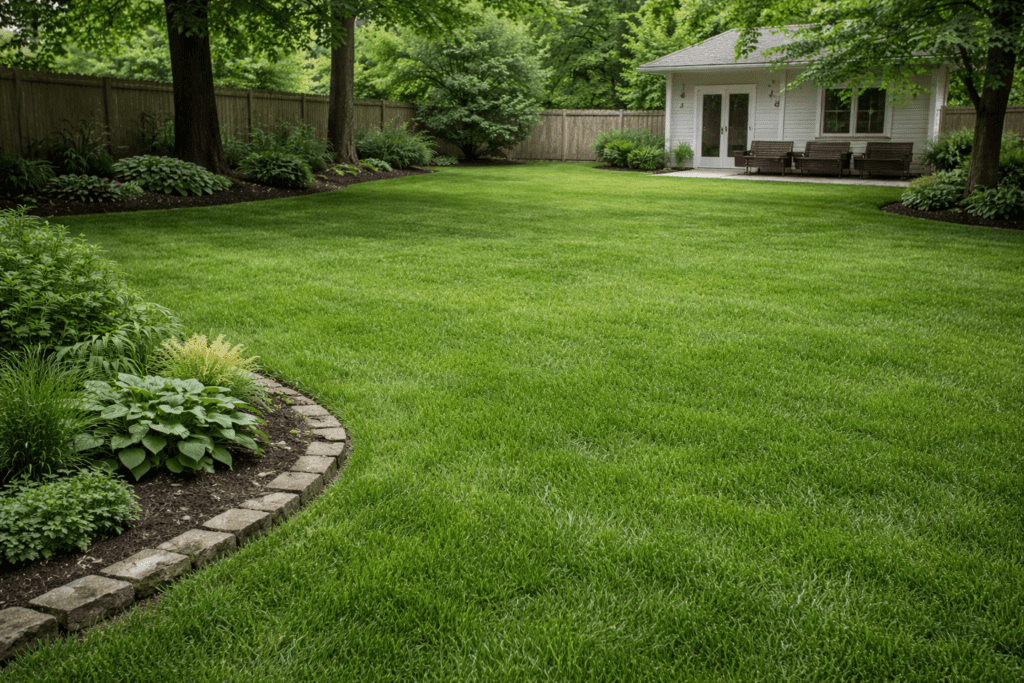
The transition zone is the climate band across the middle of the U.S. where summers are too hot and humid for cool season grasses to thrive, but winters are too cold for warm season grasses to survive year-round. That one sentence explains a problem millions of homeowners deal with every year without having a name […]
Tall Fescue vs. Fine Fescue: Which Shade Grass Is Right for Your Lawn
If your lawn has a shading problem, the tall fescue vs. fine fescue shade decision is one of the most important calls you’ll make before buying seed. Both grasses handle shade better than most cool-season options — but they don’t handle it the same way, and the gap between them widens significantly as shade gets […]
Kentucky Bluegrass Pros and Cons: Where It Thrives and When It’s the Wrong Choice

By James Whitfield Kentucky bluegrass is a cool-season perennial grass that spreads by underground stems called rhizomes, producing a dense, self-repairing turf in full sun and cool, moist climates — but it struggles badly in heat, drought, shade, and low-fertility soil. That one sentence covers most of what you need to know before you decide […]
Fine Fescue Grass Pros and Cons: Where It Thrives, Where It Fails, and Whether It Fits Your Lawn

By James Whitfield Fine fescue is a group of five cool-season grass species — not a single grass — known for shade tolerance, low fertility needs, and narrow, soft leaf blades. Understanding the fine fescue grass pros and cons starts with that distinction, because each species behaves differently depending on what conditions you ask it […]
How to Overseed a Cool Season Lawn in Late Summer for Best Results

Disclosure: This article contains affiliate links. If you purchase through these links, I may earn a small commission at no extra cost to you. As an Amazon Associate, I earn from qualifying purchases. Done right, overseeding your cool season lawn in late summer gives new grass 6–8 weeks to root before the ground freezes — […]
Cool Season Grass Drought Tolerance: How Each Type Holds Up When Summer Heat Hits
Cool season grasses are built for spring and fall — that’s when they thrive. Cool season grass drought tolerance, however, is a different story. July and August have a way of exposing exactly which species you’re working with. The same grass that looked incredible in May can turn straw-brown by mid-July, and not all of […]
Best Cool-Season Grass for Shade: What Actually Grows Under Trees
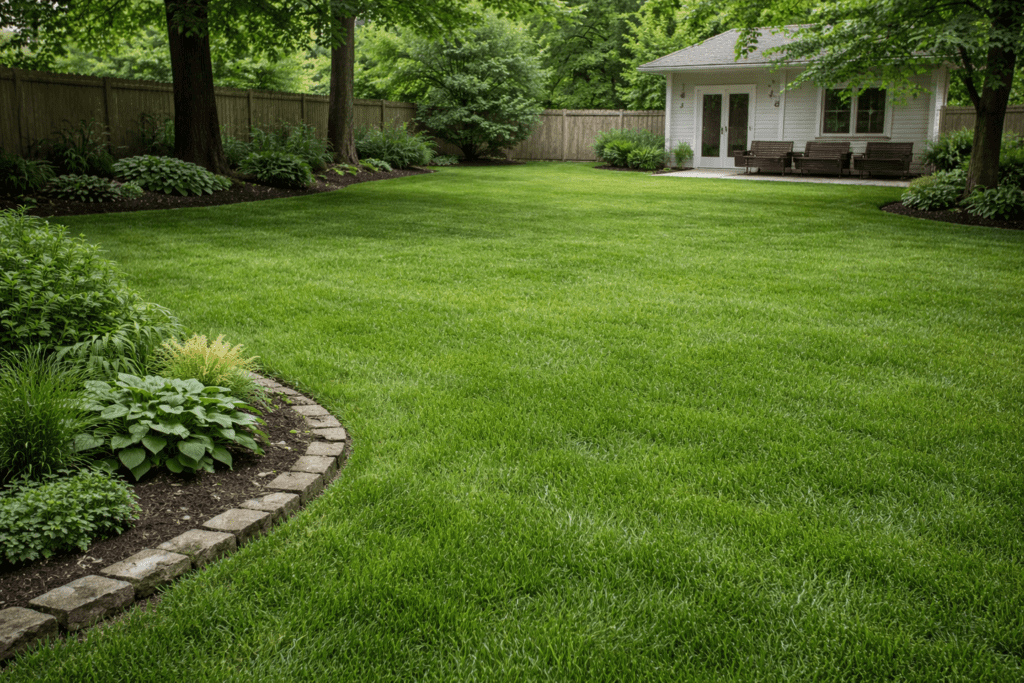
If you’re searching for the best cool-season grass for shade, you’ve probably already watched standard seed fail under your trees. Thin patches, bare soil, and a lawn that looks fine in open areas but gives up entirely under the canopy — it’s one of the most common lawn problems in northern and transitional climates. The […]
How to Identify Your Cool Season Grass Type by Leaf Texture and Growth Habit
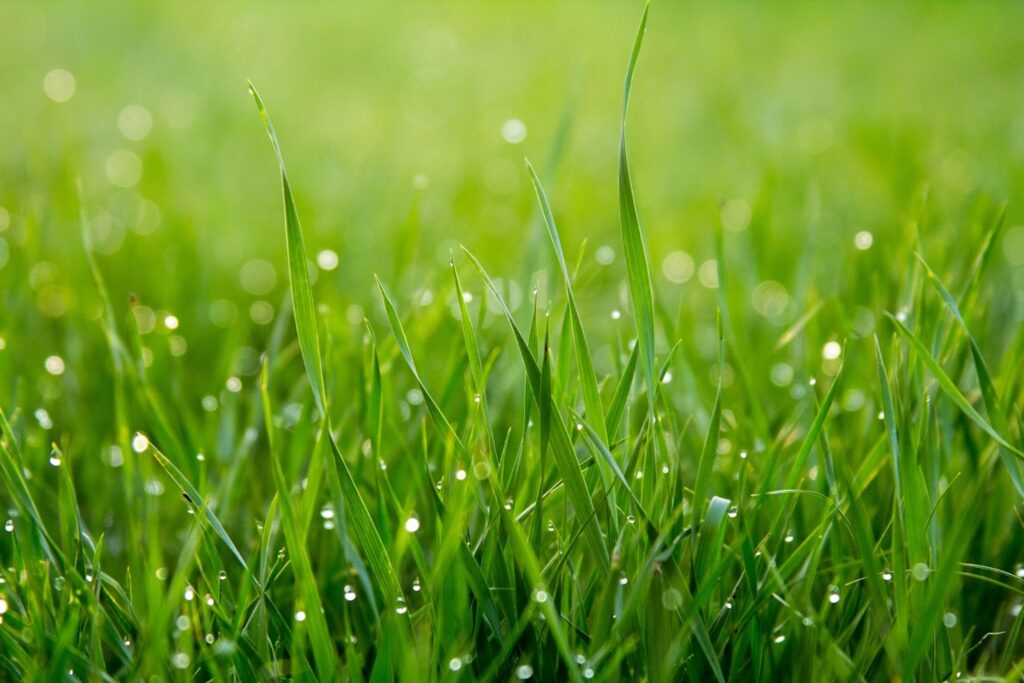
By the end of this guide, you’ll know exactly how to identify your cool season grass type using nothing more than your eyes and hands. Most homeowners have no idea what species is growing in their yard — and that gap leads to real mistakes. Overseed with the wrong species and you get a patchy, […]
Kentucky Bluegrass vs Tall Fescue: Which Cool Season Grass Is Right for Your Yard?

Choosing between Kentucky bluegrass vs tall fescue isn’t a matter of one being better than the other — it’s a matter of which one fits your yard, your climate, and how much work you’re willing to do. Both are cool season grasses that thrive in northern and transitional climates across the U.S., but they behave […]