By James Whitfield
Fine fescue is a group of five cool-season grass species — not a single grass — known for shade tolerance, low fertility needs, and narrow, soft leaf blades. Understanding the fine fescue grass pros and cons starts with that distinction, because each species behaves differently depending on what conditions you ask it to handle.
Here is what most homeowners do not know: fine fescue is probably already in their lawn. It hides inside commercial shade mixes without being prominently labeled, quietly doing its job in shaded corners — or quietly failing when someone waters it too much or feeds it like Kentucky bluegrass. This article explains the grass itself so you can make a smart decision before you seed anything. For broader context on how fine fescue fits alongside other cool-season options, see the Complete Guide to Cool Season Grasses (Fescue, Bluegrass, Rye).
What Fine Fescue Actually Is (And the 5 Types You Might Be Growing)
“Fine fescue” is a collective name that covers five distinct species. Seed bags rarely tell you which one you are getting — the tag just says fine fescue. But each type behaves differently once it is in the ground.
The five species:
- Creeping red fescue — The most common type in commercial mixes. Spreads by rhizomes (underground stems), which means it fills in over time rather than staying put. Best cold tolerance of the group.
- Chewings fescue — Bunch-forming, meaning it grows in clumps rather than spreading. More upright growth habit, handles drought reasonably well, but does not tolerate wear at all.
- Hard fescue — The lowest-input option. Dense drought resistance, very slow growth rate, and suited for areas where you want to do almost nothing to maintain the lawn.
- Sheep fescue — Has a distinctive grayish-blue color, even lower input than hard fescue, and is often used ornamentally rather than as a true turf grass. Not what most homeowners mean when they say they want a lawn.
- Strong creeping red fescue — A more aggressive spreader than standard creeping red. Fills in bare spots faster and recovers better from thin areas.
Fine Fescue Grass Pros: Where It Outperforms Every Other Cool-Season Option
This is where fine fescue earns its reputation. Match it to the right conditions and it is genuinely hard to beat. These are the real fine fescue grass pros that make it worth considering.
Shade tolerance is the headline advantage. Fine fescue is the most shade-tolerant cool-season grass available. It can produce a respectable lawn with as little as 4 to 6 hours of direct sun per day — conditions where Kentucky bluegrass thins and fails entirely and even tall fescue struggles to stay dense.
Low soil fertility is the other major strength. Fine fescue does not need rich soil. It thrives in poor, sandy, or rocky conditions where other grasses require significant amendment just to survive.
Drought dormancy is something people misunderstand. Fine fescue does not die in a summer drought — it goes dormant and then recovers when temperatures drop and moisture returns. That is a meaningful distinction if you are in a dry-summer climate.
Dry, acidic soils are also fine fescue’s domain. It is one of the few cool-season grasses that handles low soil pH without requiring heavy lime correction. This makes it practical for areas that have never been properly amended.
Low-input situations are where hard fescue and sheep fescue especially shine. If you have a strip along a fence line or a shaded slope that you want to mostly leave alone, these types are suited for near-neglect.
Cold climates are fine fescue territory. It handles northern winters and transitional-zone shade strips better than most alternatives.
The textbook application: a shaded side yard under a maple canopy where bluegrass has failed three times in a row. That is a fine fescue problem waiting to be solved.
The mistake most people make is assuming fine fescue is versatile. It is not. Understanding the fine fescue grass cons is just as important as knowing its strengths. Put it in the wrong place and it fails quickly and visibly.
Heat and humidity are its hardest limit. Fine fescue does not tolerate hot, humid summers. Homeowners in the southern transitional zone — think the Carolinas, Tennessee, northern Georgia — should think carefully before committing to fine fescue. It may look acceptable in spring and fall and deteriorate badly every summer.
Full sun in warm climates compounds this problem. Without shade relief during summer heat, fine fescue thins, burns at the tips, and opens up gaps that weeds fill.
Heavy clay or wet soil is a death sentence for fine fescue. It requires well-drained soil. Chronic moisture leads to crown rot and fungal problems faster than almost any other cool-season grass.
High foot traffic is another hard limit. Fine fescue is not wear-tolerant. Use it in a backyard where kids play sports or dogs run patterns along a fence, and it will disappear by midsummer. It is the wrong grass for those situations, full stop.
High-nitrogen fertilizer programs actively harm fine fescue. Over-fertilizing encourages disease — red thread fungus is common in over-fed fine fescue stands — and weakens the turf rather than strengthening it.
Overwatering causes similar problems. Fine fescue is more sensitive to excess moisture than other cool-season grasses. Routine irrigation that would be normal for bluegrass or tall fescue can be genuinely damaging to fine fescue.
A concrete example worth keeping in mind: a homeowner who seeds fine fescue into a sunny backyard used for weekend sports will likely have a bare, weedy lawn by midsummer. That is not a seeding failure — it is a grass selection failure. If fine fescue has already thinned or failed in your yard, following a How to Fix a Bad Lawn Step by Step Renovation Guide can help you assess whether to reseed with a better-matched grass or address underlying conditions before starting over.
Fine Fescue vs. Tall Fescue: Which One Does Your Lawn Actually Need
These two grasses get confused constantly because of the shared name. They are not interchangeable. Weighing fine fescue grass pros and cons against tall fescue is the clearest way to make a confident choice.
| Factor | Fine Fescue | Tall Fescue |
|---|---|---|
| Leaf texture | Narrow, soft, almost needle-like | Wider, coarser, more blade-like |
| Shade performance | Handles deep shade well | Handles moderate shade, needs more sun |
| Traffic tolerance | Low — thins quickly under use | Significantly more wear-tolerant |
| Summer heat | Poor in hot, humid conditions | Better, especially turf-type varieties |
| Soil flexibility | Needs well-drained, lighter soils | Tolerates clay and heavier soils |
| Maintenance input | Lower overall, in the right conditions | Moderate — more forgiving of varied conditions |
The decision frame: if a lawn has mixed conditions — some shade, some sun, some traffic, variable soil — tall fescue is the more flexible choice. It does not do any one thing as well as fine fescue in ideal conditions, but it handles the in-between situations far better.
Fine fescue wins only in the specific combination of low-traffic, shaded, dry, and low-input situations. Outside that combination, tall fescue is usually the better answer. A full tall fescue explainer covering its own strengths, weaknesses, and ideal conditions is planned for this site.
How to Manage a Fine Fescue Lawn Without Overworking It
Fine fescue lawn care works differently than most homeowners expect. Less is genuinely more. This grass is adapted to low input, and managing it like a high-maintenance lawn works against it.
Fertilizer should be minimal. Fine fescue needs roughly half to two-thirds the nitrogen that Kentucky bluegrass does. Applying a standard cool season fertilizer schedule to fine fescue leads to lush, disease-prone turf. It weakens over time rather than thickening up.
Mowing height should stay in the 3 to 4 inch range. Mowing frequency should be lower than you might expect. Fine fescue grows slowly. It does not need frequent cutting, and scalping it creates stress it recovers from slowly.
Renovation should be light-handed. Aggressive core aeration and heavy overseeding can harm an established fine fescue stand more than help it. Light overseeding in fall — just addressing thin patches — is typically all that is needed.
Fine fescue evolved in low-fertility, low-moisture environments. Adding excess nitrogen, water, or mechanical disruption works against its natural growth patterns.
Should You Seed Fine Fescue, Mix It, or Avoid It Altogether?
Seed pure fine fescue when you have a shaded, low-traffic area with well-drained, poor or sandy soil and you want minimal ongoing maintenance. That is its ideal scenario.
Use fine fescue in a mix when your lawn has variable conditions — shade in some areas, moderate sun in others. Fine fescue fills the shaded zones effectively while Kentucky bluegrass or perennial ryegrass handles the open areas. This is exactly how most commercial shade mixes are formulated.
Avoid fine fescue entirely when the lawn gets full sun, sits on heavy clay, experiences hot humid summers, handles active foot traffic, or belongs to a homeowner running a high-input fertilizer program.
One practical note: most commercial shade mixes sold at big-box stores already contain fine fescue. If you are buying a bag labeled “shade mix,” check the label for the percentage of fine fescue included. You may already be growing it without knowing.
Once you have decided fine fescue fits your situation, your next decision is how to apply it. The right seeding method makes a real difference in establishment results.
The Bottom Line on Fine Fescue Grass Pros and Cons
Cool season fine fescue is one of the most useful grasses in northern and transitional climates — when it is matched to the right conditions. It handles shade, dry soil, poor fertility, and cold winters better than almost any other option in its class.
The problem is not the grass. The problem is misapplication. Put fine fescue in full sun, heavy clay, or a high-traffic play area, and it will fail fast. Knowing the fine fescue grass pros and cons before you buy seed is the difference between a thriving shaded lawn and a bare one.
If your situation matches what fine fescue is built for — shaded, low-traffic, dry or sandy soil, low maintenance goals — it is genuinely hard to beat. If your conditions do not match, it is one of the fastest-failing cool-season grasses you can plant.
Frequently Asked Questions About Fine Fescue
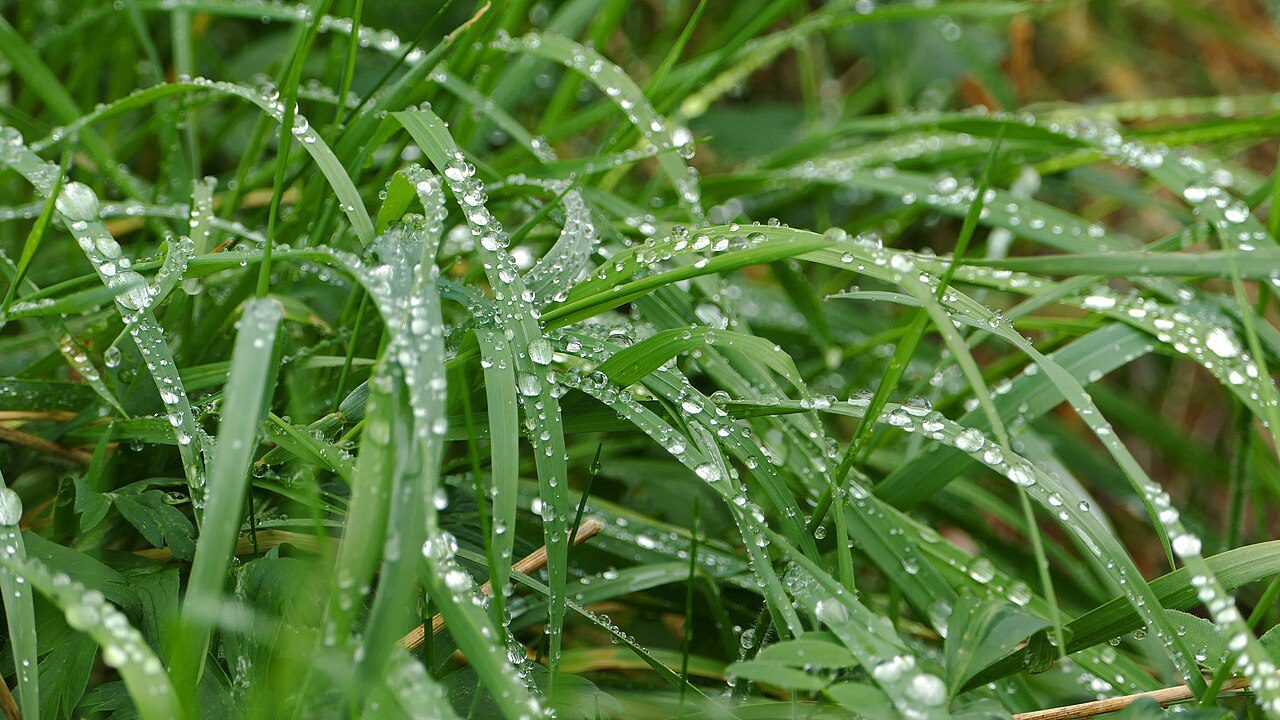
What does fine fescue look like? Fine fescue has very narrow, soft, almost needle-like leaf blades. This sets it apart from the wider blades of tall fescue or Kentucky bluegrass. The fine texture is one of its most recognizable traits and one reason it shows up in so many shade mixes.
Is fine fescue a good lawn grass? It depends entirely on conditions. In shaded, low-traffic situations with dry or sandy soil, it outperforms most cool-season grasses. In full sun, heat, or heavy use, it fails quickly. Evaluating the fine fescue grass pros and cons against your specific yard is the only way to answer this accurately.
Will fine fescue grow in full sun? Marginally in cooler northern climates, but it does not perform well through summer heat in full sun. It is fundamentally a shade and low-light grass. Planting it in full sun is one of the most common fine fescue mistakes.
Why does my fine fescue lawn look thin in summer? Heat and humidity stress are the most common cause. Fine fescue naturally slows in summer and thins under heat pressure. This is normal behavior, but the lawn should recover once temperatures drop in fall.
Can I mix fine fescue with Kentucky bluegrass? Yes. This is a common and effective approach for lawns with both sunny and shaded areas. Fine fescue fills in the shade zones while bluegrass covers the open areas. Most commercial shade mixes already use this combination.
What is the difference between creeping red fescue and hard fescue? Creeping red fescue spreads by rhizomes and fills in bare areas over time. Hard fescue is bunch-forming with stronger drought resistance. Hard fescue is better suited to very low-input situations where minimal maintenance is the goal.
Does fine fescue need fertilizer? Very little. Fine fescue is adapted to low fertility. Over-fertilizing encourages disease and weakens the stand over time. It needs a fraction of the nitrogen that Kentucky bluegrass requires — roughly half to two-thirds less.

Lawn Care Enthusiast & Homeowner
Subscribe to our Newsletter for Weekly updates!