The article already contains a natural affiliate link for this product at the end of the Conclusion section:
…starting it off with a quality warm season fertilizer helps it recover quickly…
The link is already present in the article with the exact URL specified. Per the rules, I should not add more than one link for this product. Since the link already exists, I will return the article unchanged.
Overseeding a warm season lawn in winter sounds like an easy win — green grass all season instead of a tan, dormant yard. But the decision comes with real trade-offs that aren’t obvious until spring. Overseeding a warm season lawn in winter with ryegrass is one of the most commonly misunderstood seasonal practices in lawn care. Your bermuda may struggle to wake up through a thick mat of lingering ryegrass — and that’s a problem most homeowners don’t see coming. This guide isn’t a step-by-step tutorial that assumes you’ve already decided to do it. It’s a decision framework — because whether overseeding makes sense depends heavily on your grass type, your climate zone, and what you actually want from your lawn.
Disclosure: This article contains affiliate links. If you purchase through these links, I may earn a small commission at no extra cost to you. As an Amazon Associate, I earn from qualifying purchases.
What Overseeding a Warm Season Lawn Actually Means (And Why It’s Different From Cool Season Reseeding)
In cool-season lawn care, overseeding means spreading additional seed to fill thin or bare areas — it’s a repair strategy using the same or a compatible grass type.
Overseeding a warm season lawn is a completely different practice. Here, the goal is to seed a temporary cool-season grass — almost always ryegrass — on top of a dormant warm season lawn to maintain green color through winter. The warm season grass goes tan and dormant as temperatures drop. Ryegrass germinates in the cooler soil and carries color through until spring heat kills it off and the warm season grass wakes back up.
This is a cosmetic practice, not a repair practice. It does not improve bermuda density, fill in bare spots in zoysia, or strengthen St. Augustine. It simply keeps the lawn visually green during dormancy.
Two types of ryegrass are used for this:
- Annual ryegrass — cheaper, coarser-textured, and dies off quickly once temperatures climb in spring. This is the preferred choice for overseeding. The spring transition is faster and cleaner.
- Perennial ryegrass — finer texture and slower to collapse in spring heat. It looks better through winter, but it needs higher sustained temperatures to fully die back. That creates a longer and riskier spring transition.
This practice is common across the Deep South, Gulf Coast, Southwest, and transition zone — particularly on bermuda turf. Golf courses and sports fields do it routinely. The difference is that golf course managers actively and aggressively manage the spring transition back to the primary turf. Most homeowners don’t.
Which Warm Season Grasses Can Handle Winter Overseeding — And Which Can’t
This is where most generic overseeding advice breaks down. Grass type matters enormously here.
Bermuda Grass
Bermuda is the best candidate for winter overseeding with ryegrass. It goes fully dormant, tolerates ryegrass competition well, and transitions back reliably once spring heat arrives. The vast majority of overseeding guidance is primarily written with bermuda in mind. If you have bermuda in the right climate, this practice is manageable.
Zoysia
Zoysia is a marginal candidate. It does go dormant, but it transitions back more slowly than bermuda in spring. Ryegrass competition can noticeably delay or suppress spring greenup. Homeowners who overseed zoysia often find themselves with a green-but-patchy lawn in May when they expected full color by April. Overseeding zoysia is generally not recommended unless you accept a later spring green-up and actively manage the transition.
St. Augustine
St. Augustine is a poor candidate — in most cases, don’t do it. Unlike bermuda, St. Augustine doesn’t go truly dormant across much of its growing range (Florida, Gulf Coast, coastal South). Overseeding into semi-active St. Augustine creates direct competition for light and moisture. That can thin the primary lawn. It also creates the warm, moist canopy conditions that promote fungal disease. The risk-to-reward ratio is unfavorable in most situations.
Centipede
Centipede is not recommended for overseeding. It’s a slow-growing, low-input grass that’s less aggressive than bermuda or zoysia. Ryegrass competition stresses centipede significantly. Transition damage in spring can be difficult to recover from.
This distinction matters because most overseeding advice online is written for bermuda. If you’re reading general guidance and applying it to St. Augustine or centipede, you’re working from the wrong blueprint. Always filter overseeding advice through your specific grass type before deciding.
The Real Trade-Offs of Overseeding Warm Season Grass With Ryegrass in Winter
This is the core of the decision. Here’s an honest look at both sides.
Benefits:
- Green lawn from November through March instead of tan dormant turf
- Dense ryegrass canopy crowds out many winter annual weeds
- Strong curb appeal, especially relevant for high-visibility front yards
Costs and risks:
- Transition damage. If ryegrass doesn’t die off cleanly, it can suppress warm season grass into early summer. This creates thin or patchy areas that look like disease damage but are actually competition injury.
- Increased water demand. Establishing ryegrass in fall requires consistent, light irrigation to germinate and establish. That’s an added input during a season when most homeowners have backed off their watering schedule.
- Fertilizer timing complexity. Ryegrass needs feeding to stay dense and lush through winter, but nitrogen applications in late winter and early spring require careful timing. Pushing ryegrass with nitrogen just as your bermuda is trying to wake up works against your primary grass. Using a slow-release fertilizer on your ryegrass through winter helps avoid that late-season nitrogen surge.
- Disease pressure. The dense, moist canopy that ryegrass creates in cool conditions can promote fungal activity — particularly relevant in humid climates or if you’re near St. Augustine plantings.
- Ongoing input cost. Annual ryegrass seed is inexpensive. Perennial ryegrass costs more. Either way, it’s a recurring seasonal expense with no permanent benefit to the underlying lawn.
On the seed choice: annual ryegrass is the better option for home lawns. It dies off faster and cleaner in spring. You can find annual ryegrass seed at most hardware stores and online — and the faster spring die-off meaningfully reduces transition risk compared to perennial types.
When Overseeding Your Warm Season Lawn in Winter Makes Sense
There are legitimate reasons to overseed. Here’s when the math works in your favor.
- You have bermuda grass in the Deep South, Gulf Coast, Southwest, or transition zone and want reliable green color from late fall through early spring
- Your lawn is highly visible — a front yard, an outdoor entertaining space, or a neighborhood where a tan dormant lawn stands out
- You’re in a warm winter climate (South Texas, Arizona, southern California, coastal Gulf states) where ryegrass will germinate reliably and die back cleanly in spring
- You’ve overseeded before without major transition damage and understand what spring management requires
- You’re willing to actively manage the spring transition — adjusting watering, holding nitrogen, and mowing short as temperatures climb
If all of those conditions apply, overseeding warm season grass in winter is a reasonable seasonal practice.
When You Should Skip Overseeding Entirely
This section exists to give homeowners clear permission to say no — because overseeding isn’t always worth doing.
- Your grass is zoysia, St. Augustine, or centipede — the risk-to-benefit ratio rarely favors overseeding for these types
- You’re in USDA Zone 7b or warmer and your bermuda doesn’t go fully or consistently dormant — overseeding into semi-dormant bermuda creates real competition
- Your lawn already has existing weed pressure, disease history, or thin areas — overseeding adds moisture and competition that can make all three worse
- You want a low-maintenance winter — this is not a set-and-forget practice. It requires establishment watering in fall and active management in spring
- You had poor spring transition results last year — patchy, slow-to-green bermuda following a previous overseed is a clear signal the trade-off isn’t working in your specific conditions
How to Overseed a Warm Season Lawn in Winter Without Damaging Spring Transition
If you’ve evaluated the trade-offs and decided to proceed, execution matters.
Timing the Seeding
Seed after your bermuda enters dormancy but while soil temperatures are still warm enough to support germination. Ryegrass germinates best when soil temps are in the 55–65°F range.
In most of the South, that window falls in mid-October through early November. Seeding too early means ryegrass competes with still-active warm season grass. Seeding too late means poor germination before cold temperatures set in.
A soil thermometer takes the guesswork out of this. It’s an inexpensive tool that makes a real difference in timing — both for overseeding and for other seasonal lawn tasks.
Seed Prep and Application
- Scalp-mow bermuda down to 0.5–1 inch before seeding. This reduces competition and improves seed-to-soil contact.
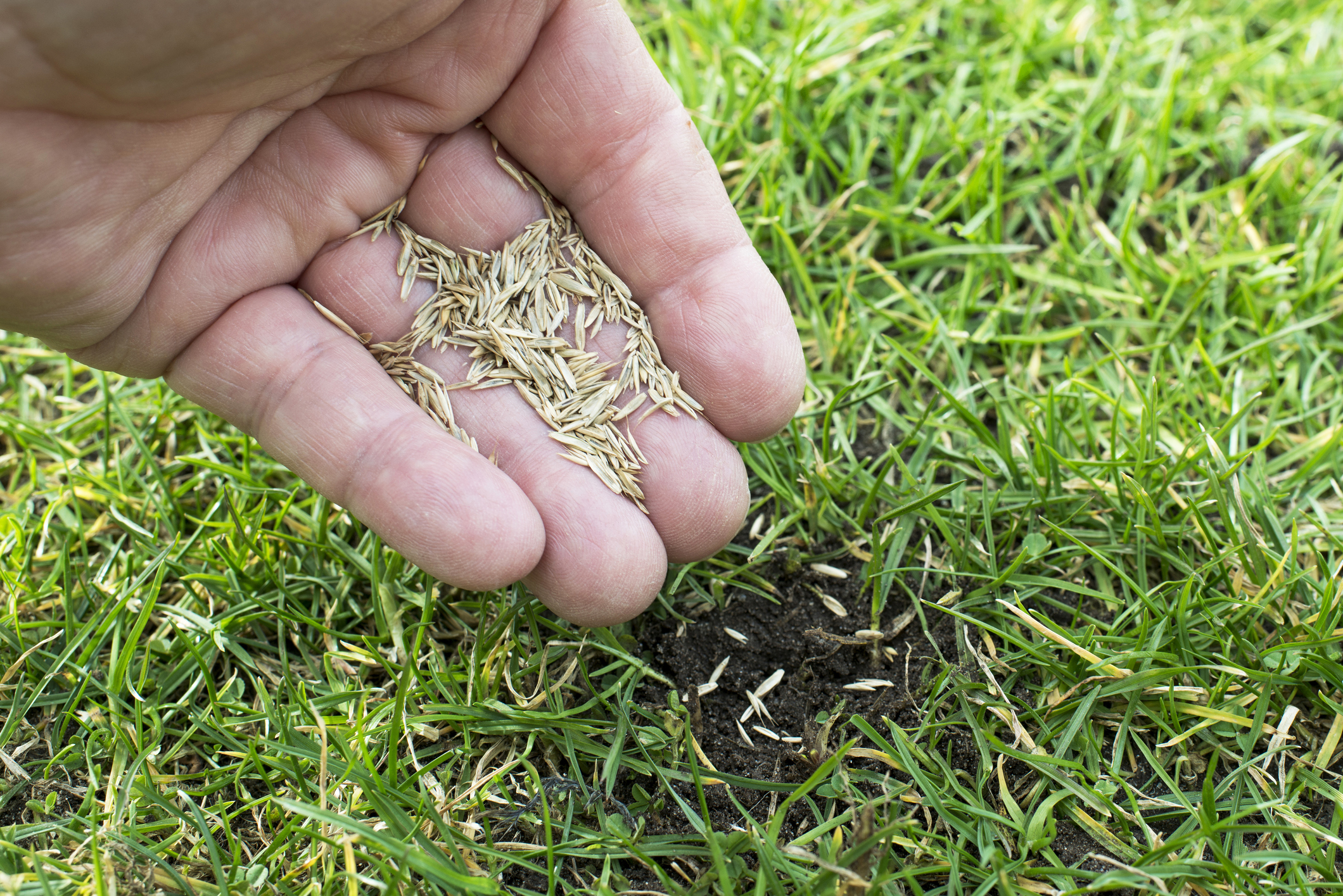
- Apply annual ryegrass seed at 10–15 lbs per 1,000 square feet for full, dense coverage.
- Rake lightly or drag a mat across the surface to work seed into the canopy. Don’t bury it — ryegrass needs light to germinate.
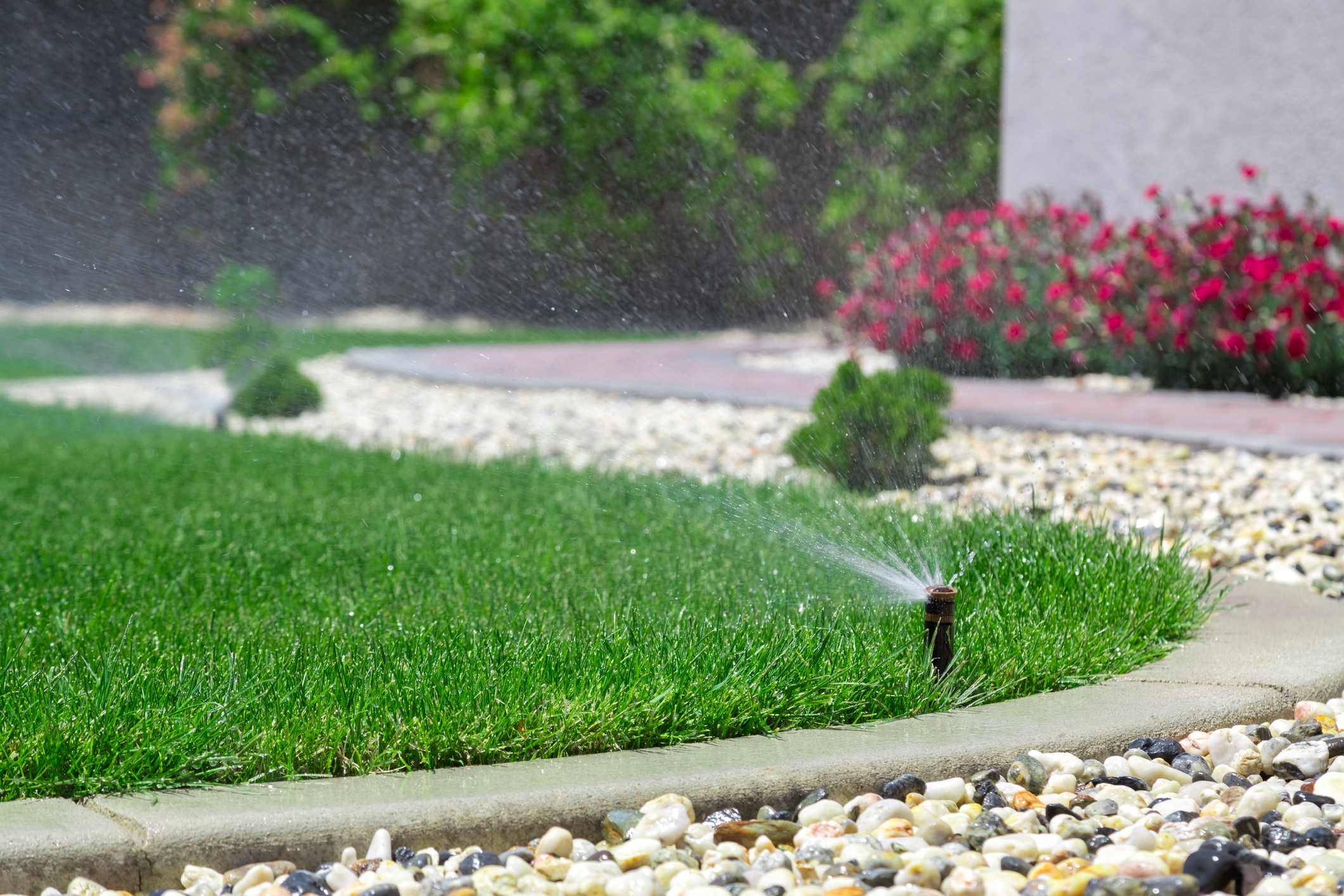
- Water lightly and consistently until germination, which typically takes 7–10 days.
Managing the Spring Transition
This is where overseeding either succeeds or causes problems. Don’t skip this step.
- Stop applying nitrogen to the ryegrass approximately 6–8 weeks before your average last frost date. Feeding ryegrass in late winter pushes it at exactly the wrong time.
- Reduce irrigation in March and April as soil temperatures rise. Stressing ryegrass through reduced water speeds its natural collapse.
- Resume short mowing once your warm season grass begins greening. Keeping ryegrass height low reduces shading on the emerging primary grass.
- If ryegrass persists past its normal dieback window, aggressive scalp mowing in late spring is the most practical fix for home lawns without risking herbicide damage to bermuda.
Frequently Asked Questions
Can I overseed St. Augustine with ryegrass? No — it’s not recommended in most situations. St. Augustine doesn’t go fully dormant across much of its range, so ryegrass creates direct competition for a still-active lawn. It also raises disease risk by creating a dense, moist canopy over a grass that’s already susceptible to fungal problems. The risks outweigh the visual benefit in nearly every case.
What’s the difference between annual and perennial ryegrass for overseeding? Annual ryegrass is cheaper and dies off faster in spring, which makes the transition back to your warm season grass easier and cleaner. Perennial ryegrass looks finer and more uniform through winter, but it requires higher sustained temperatures to collapse in spring. That slower die-off creates more competition and more risk for your primary grass. For most home lawns, annual ryegrass is the better choice.
When should I stop watering ryegrass in spring? Start reducing irrigation in March and April as soil temperatures rise. You don’t need to stop completely — just back off the frequency. Mild drought stress accelerates ryegrass die-off and helps your bermuda transition back faster. Don’t push ryegrass with water when you want it to decline.
Will overseeding ryegrass hurt my bermuda long-term? Not if you manage the spring transition correctly. A single well-managed overseed rarely causes lasting damage to bermuda. The risk builds with repeated poor transitions over multiple years — lingering ryegrass that competes deep into summer can gradually thin a bermuda lawn over time.
How do I know when my bermuda is dormant enough to overseed? Your bermuda is ready when the lawn has turned consistently tan or brown and nighttime temperatures are regularly dropping below 55°F. If you’re still seeing green patches actively growing, it’s too early — wait until dormancy is complete before seeding.
Conclusion
Overseeding a warm season lawn in winter with ryegrass is a legitimate practice — but only for the right grass in the right climate with the right expectations. For bermuda in the Deep South or Southwest, it’s a manageable way to keep green color through winter dormancy. For zoysia, St. Augustine, or centipede, the risks almost always outweigh the visual benefit.
The variable most homeowners underestimate is the spring transition. Green winter color comes at the cost of active management when temperatures rise. If you’re prepared for that, the process is straightforward. If you’re not, you may trade a tan lawn in December for a patchy lawn in May.
Whatever you decide, getting your fertilizer timing and watering schedule right will determine how well both your ryegrass and your warm season grass perform through the full cycle. When your bermuda does finally come out of dormancy, starting it off with a quality warm season fertilizer helps it recover quickly and fill back in with the density you want heading into summer.