If you want to get rid of crabgrass in bermuda lawn conditions without harming your turf, you’re in the right place. There are two windows to work with: before crabgrass germinates (pre-emergent) and after it’s already visible (post-emergent). Bermuda grass tolerates several herbicides that crabgrass does not, which makes this a manageable problem. This guide covers exactly how to get rid of crabgrass in bermuda lawn settings — from confirming the ID to choosing the right product, applying it correctly, and keeping crabgrass out for good.
Disclosure: This article contains affiliate links. If you purchase through these links, I may earn a small commission at no extra cost to you. As an Amazon Associate, I earn from qualifying purchases.
Why Crabgrass Is Such a Problem in Bermuda Lawns
Bermuda and crabgrass share the same preferences — heat, full sun, and warm soil — so crabgrass germinates aggressively right as your Bermuda enters its active growing season. In early summer, crabgrass grows faster than Bermuda and outcompetes it for space and nutrients before Bermuda can fill in thin areas. It dies at the first frost, but by then it has already dropped thousands of seeds into the soil, guaranteeing the same fight next year if you don’t intervene. That’s why both treatment and prevention matter.
How to Identify Crabgrass Before You Treat It
Confirming the weed before you apply any herbicide is a required first step. Using the wrong product wastes time and money — and can damage your Bermuda.
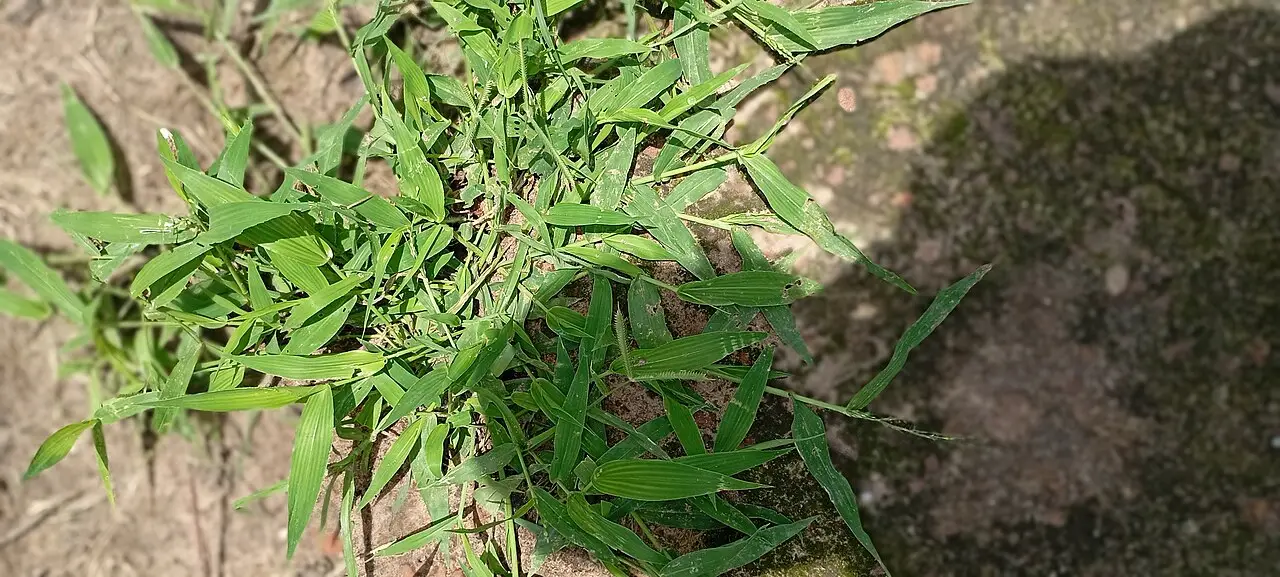
Crabgrass has a distinct look:
- Wider leaf blades than Bermuda, often lime-green or light green compared to Bermuda’s darker, finer-textured turf
- Sprawling, low-growing stems that radiate outward from a central point — this is where the name comes from
- Finger-like seed heads that appear mid-to-late summer, branching from a single stem
If you’re unsure, pull a suspect plant and compare it to photos from your local cooperative extension service before applying anything. Getting the ID right is worth the extra five minutes.
For pulling young plants or confirming identification by hand, a Fiskars Deluxe Stand-Up Weeder works well on isolated plants in bare spots before seed heads form.
Pre-Emergent Herbicides: Stop Crabgrass Before It Starts in Bermuda
Pre-emergent herbicides are the most effective tool for crabgrass control in Bermuda grass because they prevent germination entirely. Here’s how to apply them correctly.
Step 1: Time your application to soil temperature, not the calendar. Apply when soil temperatures reach 55–60°F at a 2-inch depth for three or more consecutive days. In most southern zones, this falls in late February to early March, but it varies by location and year. Applying too early means the product breaks down before crabgrass germinates. Applying too late means seeds have already sprouted and a pre-emergent won’t help. A soil thermometer takes the guesswork out of this decision.
Step 2: Choose a pre-emergent safe for Bermuda. Prodiamine and pendimethalin are both widely available consumer options that Bermuda tolerates well. Both come in granular and liquid formulations. Granular is the easier choice for most homeowners — it applies accurately with a standard broadcast spreader and doesn’t require mixing. A product like Scotts Turf Builder Halts Crabgrass Preventer with Lawn Food uses pendimethalin and is a practical option for Bermuda lawns.
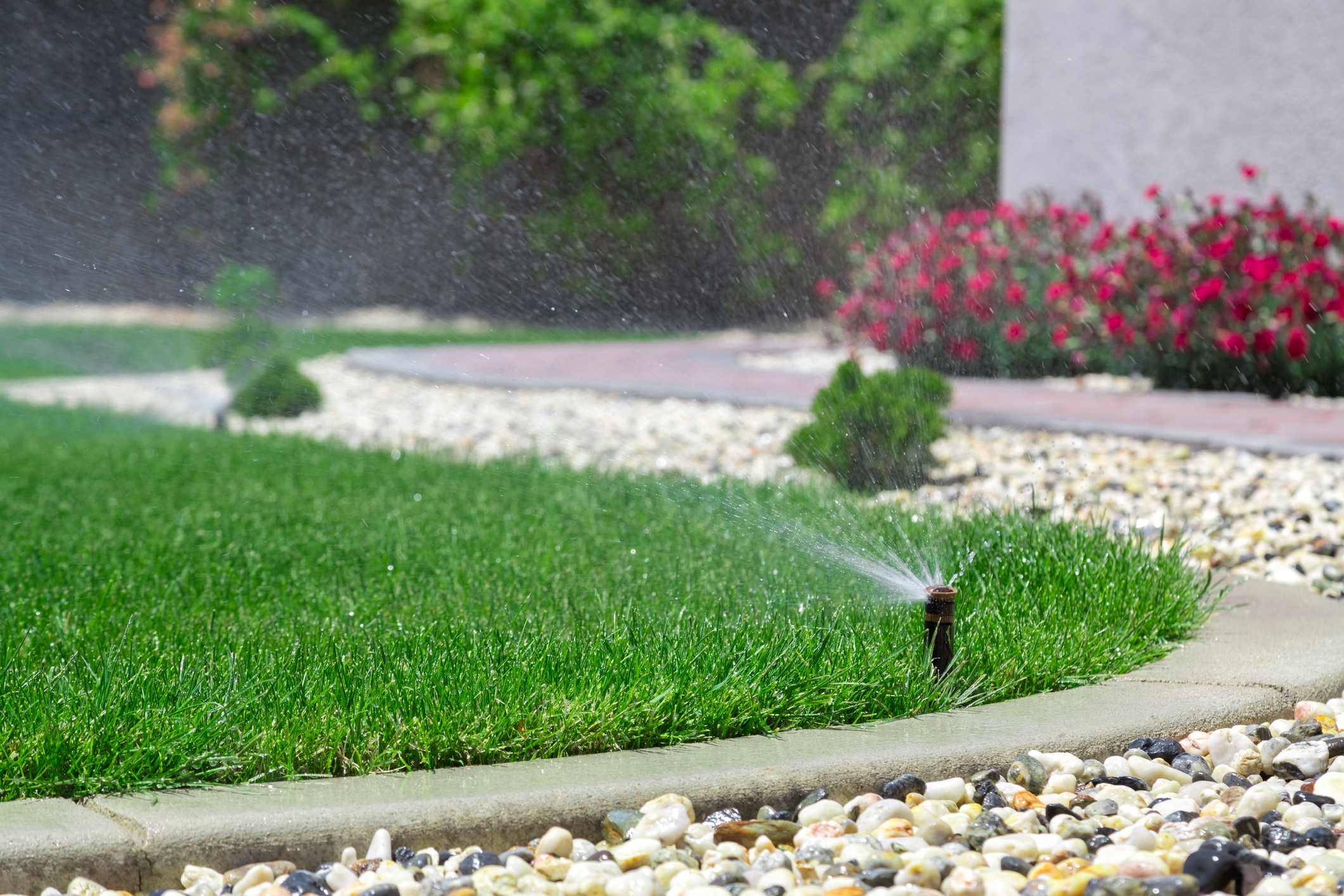
Step 3: Apply evenly and activate with water. After spreading, water the lawn with approximately ½ inch of water within 24–48 hours. This moves the product into the soil where it forms a chemical barrier. Without adequate moisture, the barrier doesn’t establish and crabgrass will germinate through it.
Step 4: Avoid treating areas where you’ve recently seeded. Pre-emergents block all seed germination — not just crabgrass. If you’ve overseeded bare patches in your Bermuda lawn, skip pre-emergent in those areas or wait at least 8–10 weeks after seeding before applying.
Split application tip: For extended protection through the full germination window, apply at half the labeled rate in early spring and repeat at half rate 6–8 weeks later. This extends the barrier when a single application might degrade before germination finishes.
Post-Emergent Herbicides to Get Rid of Crabgrass in Bermuda Lawn Turf
If crabgrass is already visible, post-emergent herbicides are your tool. Bermuda grass herbicide compatibility is the key selection criterion here.
MSMA (monosodium methanearsonate) is another effective option, but its availability has narrowed. Several states have restricted or banned MSMA for residential use. Check your state’s current pesticide rules before attempting to purchase it.
Treat early. Post-emergents work best when crabgrass is young. Once a plant reaches 5 or more tillers — typically late summer — control becomes inconsistent. As soon as you see crabgrass emerging, treat it. Waiting costs effectiveness.
Don’t confuse crabgrass with nutsedge. If the weed has upright growth, a triangular stem, and a waxy feel, it’s likely nutsedge — a completely different plant that requires a different herbicide (halosulfuron or sulfentrazone). Quinclorac will not control nutsedge. Getting this wrong means you’ll treat repeatedly without results.
How to Apply Crabgrass Herbicide Safely on Bermuda Turf
Correct application protects your Bermuda and ensures the herbicide actually works. Follow these steps every time.
- Check the weather before you spray. Apply on a calm day with no rain forecast for at least 24 hours. Wind causes herbicide to drift onto ornamentals or garden beds. Rain washes the product off before it’s absorbed.
- Avoid application during heat stress. Bermuda under drought stress absorbs herbicide more aggressively than usual. This raises the risk of turf injury. Avoid spraying in extreme heat above 90°F. Apply in the morning on a moderate day instead. If you’re not sure whether your lawn is stressed, check the signs of underwatered vs. overwatered turf before you spray.
- Don’t mow 2–3 days before or after treatment. Mowing before application reduces the leaf surface the herbicide needs to absorb into the plant. Mowing after application removes product before it has time to move through the plant.
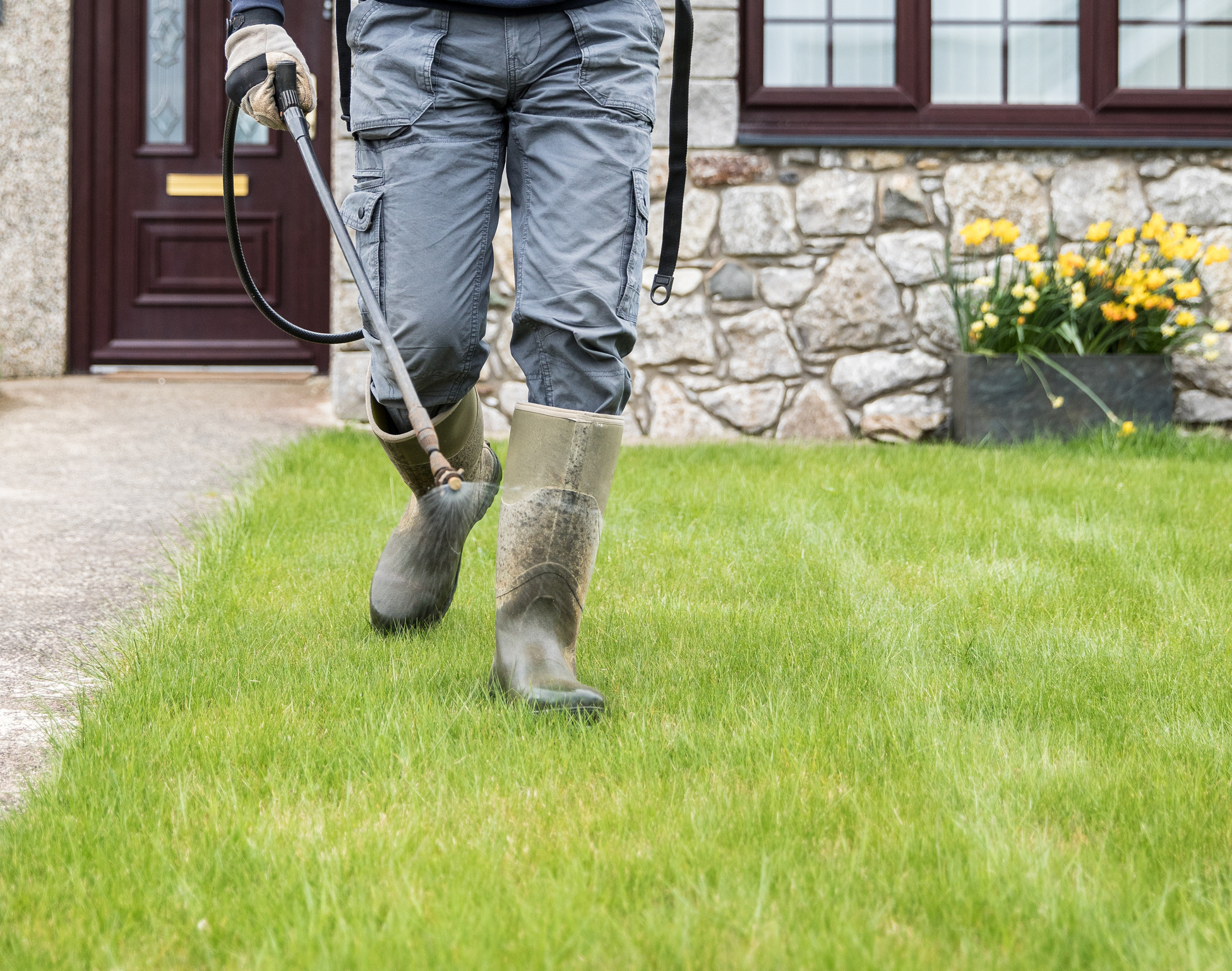
- Calibrate your sprayer for even coverage. Slight overlap between passes prevents gaps, but spraying the same area twice can burn Bermuda. A fan-tip nozzle on a pump sprayer gives consistent, even distribution across the target area.
- Spot-treat whenever possible. If crabgrass is in defined patches rather than spread across the entire lawn, target those areas only. Spot-treating reduces the total herbicide load on your Bermuda and lowers your cost per application.
- Follow label rates exactly. More product does not mean faster or better control — it means a higher risk of turf injury. The rate on the label is also the legal application rate. Do not exceed it.
If your Bermuda shows yellowing in the days after treatment, don’t assume it’s herbicide damage right away. Sometimes stress responses look similar to other issues — this guide on what to do when your lawn is yellow after fertilizing can help you sort out what’s actually going on.
Long-Term Prevention: Keep Crabgrass Out of Your Bermuda Lawn for Good
Treating crabgrass this season handles the immediate problem. Getting rid of crabgrass in bermuda lawn settings for the long term requires a consistent set of habits.
Annual pre-emergent timing is the highest-impact habit you can build. A single correctly timed application each spring eliminates the majority of crabgrass pressure before it starts. Miss a year and you reset the seed bank.
Dense Bermuda is your best natural defense. Crabgrass takes hold in thin turf — it rarely competes in a thick, healthy stand. Keeping Bermuda on a solid fertilization schedule, mowing correctly, and watering consistently all contribute to the kind of turf density that crowds weeds out naturally. For general timing, see When to Fertilize Your Lawn — and if you’re applying granular fertilizer yourself, make sure you’re using the right technique to avoid uneven results or burn. A warm season fertilizer like Andersons Professional PGF Complete 16-4-8 supports the kind of dense, vigorous growth that leaves little room for crabgrass to establish.
Mow at 1–1.5 inches. Bermuda maintained at this height stays dense. Scalping or mowing too high both create openings that crabgrass exploits.
Don’t let small patches go to seed. A single crabgrass plant can produce over 150,000 seeds before it dies in the fall. Hand-pull or spot-treat any plants you see before seed heads form — typically before mid-August. Each plant you let seed is next year’s problem compounded.
What Success Looks Like
By mid-summer of the year you treat, crabgrass in treated areas should be dead or clearly suppressed. Your Bermuda will recover and fill in vacated spots within 4–6 weeks during active summer growth. By the following spring — if you applied a pre-emergent at the correct soil temperature — you should see little to no new germination in those areas. Getting rid of crabgrass in bermuda lawn turf for good comes down to three things: timely pre-emergent application, targeted post-emergent treatment where needed, and a well-maintained Bermuda stand that doesn’t leave room for weeds to move in.
Frequently Asked Questions
Will quinclorac kill my Bermuda grass? No — quinclorac is one of the few post-emergent herbicides that Bermuda tolerates well at labeled rates. Always confirm Bermuda is listed on the product label before applying, and do not exceed the recommended rate.
How long after treating crabgrass can I reseed bare spots? Wait at least 3–4 weeks after applying a post-emergent before seeding. If you used a pre-emergent earlier in the season, wait 8–10 weeks from that application. Pre-emergents block grass seed germination just as effectively as crabgrass seed germination.
How do I know if crabgrass has already gone to seed? Look for finger-like branches spreading from a central stem near the top of the plant. Once those seed heads are open and dry, the seeds have likely already dropped. At that point, focus on removal and pre-emergent application next spring rather than post-emergent treatment.
Can I apply a pre-emergent after overseeding my Bermuda lawn? No — not until the new grass has fully established, which typically takes 8–10 weeks. Pre-emergents do not distinguish between weed seeds and grass seeds. Applying too soon will prevent your Bermuda from germinating.
Is it normal for Bermuda to look stressed after herbicide application? Some temporary discoloration or wilting is possible, especially if conditions were hot or dry at the time of application. Bermuda typically recovers within 1–2 weeks. If stress persists or worsens, check soil moisture and rule out other causes before reapplying anything.