Most homeowners water their lawns on instinct — “it hasn’t rained in a few days, I should probably run the sprinkler.” The problem is that instinct-based watering is the fastest path to overwatering, underwatering, or a water bill that makes no sense given how your lawn looks. The right lawn watering tools for homeowners remove that guesswork entirely. This list covers seven tools that give you real, measurable control over how water reaches your grass — and in what quantity. Every item on this list earns its place.
Disclosure: This article contains affiliate links. If you purchase through these links, I may earn a small commission at no extra cost to you. As an Amazon Associate, I earn from qualifying purchases.
Why Lawn Watering Tools for Homeowners Make a Measurable Difference
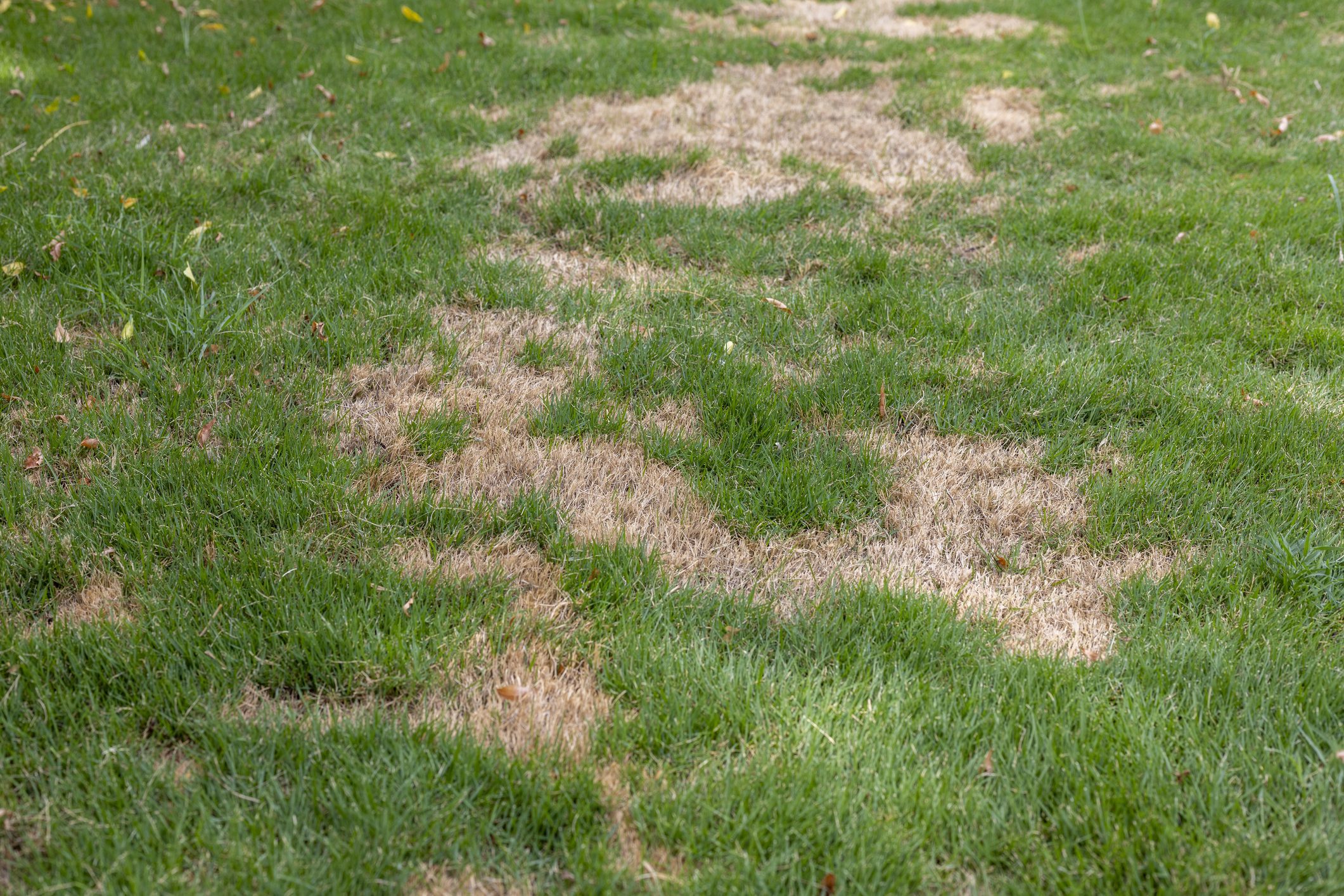
Watering by feel is the number one cause of two opposite problems: overwatering, which leads to shallow roots and fungal disease, and underwatering, which creates drought stress and dead patches. Neither one announces itself immediately — by the time you notice, the damage is already done.
The right home lawn watering equipment converts every guessing point into a measurement. A soil moisture meter tells you whether the ground actually needs water before you run anything. A timer tells your spigot to shut off whether you remember or not. A rain gauge tells you what nature already contributed.
The goal is a connected system. The timer handles when to water. The splitter manages zones. The sprinkler applies water evenly. The moisture meter confirms the result. Each tool handles a different failure point. Together, they eliminate the two mistakes most homeowners make on repeat: forgetting to water and watering too long.
The 7 Essential Lawn Watering Tools for Homeowners
1. Hose-End Irrigation Timer
A hose-end irrigation timer attaches directly between your outdoor spigot and your hose — no wiring, no plumber required. You set the start time, duration, and days of the week, and it handles the rest. This is the single highest-impact tool on this list.
The most common watering mistake homeowners make is turning the hose on and walking away, then getting distracted for two hours. A timer eliminates that entirely. It shuts off the water on schedule, every time.
What to look for: Battery-operated models require no wiring or power source. Look for scheduling by day of the week and at least two independent watering programs if you plan to run a front yard and backyard zone on separate schedules. A lightweight, durable hybrid garden hose makes connecting and repositioning your timer setup much easier. If you have an installed irrigation system, a relatively inexpensive 4-station sprinkler system timer is one of the best low-cost upgrades you can make to your watering routine.
2. Soil Moisture Meter
A soil moisture meter is a probe you insert into the ground to get a direct reading of how much moisture is currently in your soil. It sounds simple because it is — and that simplicity is exactly what makes it useful.
Without one, you are either watering on a fixed schedule that ignores actual soil conditions, or making a judgment call based on how the grass looks. By the time grass shows visual stress, it has already been dry too long. A moisture meter tells you what is happening underground before surface symptoms appear.
What to look for: Analog meters with a single probe work fine for most homeowners and require no batteries. Digital meters with dual probes give faster, more consistent readings if you are checking multiple zones. A reliable soil moisture meter pays for itself quickly in water savings alone.
3. Impact or Rotary Sprinkler with Adjustable Range
For medium-to-large lawns, an impact or rotary sprinkler is your primary application tool. These sprinklers rotate as they water, covering a wide radius with a relatively low precipitation rate. That means water is applied slowly enough that soil can absorb it rather than run off.
The adjustable arc is key. A fixed spray pattern wastes water on driveways, beds, or areas that do not need coverage. A quality rotary sprinkler lets you dial in the arc and range to match your actual lawn shape.
What to look for: Adjustable arc and throw distance, heavy-duty plastic or brass head construction, and a spike base for easy repositioning. If you have an in-ground system or are planning one, Hunter PGP-adj rotor sprinkler heads are a well-regarded option for new installations or replacing worn heads. For a deeper look at how rotary, impact, and fixed sprinkler types compare before you buy, see sprinkler head types compared — match your selection to your lawn’s shape and size first.
4. Oscillating Sprinkler with a Flow-Through Base
An oscillating sprinkler — the type that sweeps back and forth in a fan pattern — is the better choice for rectangular lawns, narrow side yards, or strip sections that rotary coverage tends to miss.
The feature most people overlook is the flow-through base. This lets you daisy-chain two or more oscillating sprinklers on a single hose line, covering a longer rectangular section without running separate hoses from the spigot. For narrow strips along a fence line or driveway, this setup is cleaner and more efficient than any rotary option.
What to look for: Adjustable width and length controls, a stable base that does not tip on uneven ground, and flow-through connectors on both ends.
5. Rain Gauge
A rain gauge is the lowest-tech item on this list and one of the most overlooked. It is a calibrated tube you mount in your yard that collects rainfall and shows you exactly how much precipitation your lawn received — in tenths of an inch.
Here is why it matters: understanding how much water your lawn needs per week by season is the foundation of smart watering — your lawn generally needs about one inch of water per week. If you had a half-inch of rain on Tuesday, you only need to supplement with a half-inch from your sprinkler. Running a full watering cycle after meaningful rainfall is one of the most common ways homeowners waste water without realizing it.
What to look for: A simple clear tube with easy-read markings in tenths of an inch. Mount it in an open area, away from roof drip zones or tree canopy, for an accurate reading.
6. Hose Splitter with Individual Shutoffs
A hose splitter screws onto your outdoor spigot and gives you two separate hose ports, each with its own shutoff valve. This is how you run a front-yard zone and a backyard zone from a single water source without moving hoses between sessions.
Paired with a dual-program timer, a splitter effectively gives you a two-zone watering system without any in-ground infrastructure. It is one of the most practical smart lawn irrigation tools available for under $20, and it dramatically improves how efficiently you can manage coverage across your property.
What to look for: Metal construction (brass or aluminum), individual valves on each port, and a pressure rating compatible with standard residential water pressure. Avoid plastic-only models — they crack under pressure and at temperature extremes.
7. Hose Washers and Quick-Connect Fittings
These are not glamorous, but they matter. Worn or missing rubber washers at hose connections cause constant dripping and pressure loss at the sprinkler head. That means your coverage area shrinks and your water bill goes up without your lawn seeing any benefit.
Quick-connect fittings solve a different problem: they let you swap between a sprinkler, a hose nozzle, or a soaker hose in seconds without unscrewing anything. Once you have quick-connects on your setup, you will wonder how you managed without them.
What to look for: Brass or stainless steel quick-connect sets for durability. Replace rubber washers at the start of each season — they degrade over winter and are the first thing to fail when you turn the water back on in spring.
How to Choose the Right Lawn Irrigation Accessories for Your Lawn Size and Setup
Not every yard needs every tool from day one. Here is how to prioritize based on your situation:
- Small lawn (under 2,500 sq ft): A timer, a soil moisture meter, and one oscillating sprinkler with a flow-through base covers the basics. Simple, affordable, and eliminates the most common watering failures.
- Medium lawn (2,500–5,000 sq ft): Add a rotary sprinkler on a second hose line using a splitter. A rain gauge becomes more valuable here since you are managing more coverage area.
- Large lawn or irregular shapes: Prioritize the timer, the splitter, and a combination of rotary and oscillating sprinkler types for zone-specific coverage. Multiple sprinkler heads staged across zones will outperform any single large-radius unit.
If you are starting to think about permanent drip systems or in-ground irrigation, that decision involves a different cost-benefit calculation than buying portable lawn watering tools for homeowners working with surface-level setups. For a broader look at what you should have in your arsenal before committing to infrastructure, the guide to Best Lawn Care Tools and Equipment for Homeowners is worth reviewing alongside the rent vs. buy framework before committing to infrastructure.
Common Mistakes Homeowners Make Without the Right Irrigation Tools
Running one long session instead of two shorter cycles. A single 30-minute run often produces runoff on compacted soil before the water absorbs. Two 15-minute cycles with an hour between them allow the first application to soak in before the second adds more. Most programmable timers support this cycle-and-soak method.
Ignoring what rainfall already contributed. Running a full watering cycle after a half-inch of rain is a direct waste. A rain gauge solves this in 10 seconds — check the tube, do the math, decide whether to water.
Losing pressure at the sprinkler from worn connections. If your sprinkler coverage seems to be shrinking or the throw is weaker than it used to be, check your hose connections before assuming the sprinkler is failing. Nine times out of ten it is a degraded washer.
If you are dealing with grass that looks stressed despite consistent watering, it may be a grass-specific issue rather than a tool problem. Browning patterns in Bermuda grass, for example, can indicate dormancy rather than drought stress — and the two require very different responses. If dormancy is ruled out and the grass is genuinely struggling, pairing your watering routine with a quality warm season fertilizer can help restore color and density through the heat of summer.
How These Lawn Watering Tools Work Together as a System
Think of the seven tools as a single connected system, not a collection of separate purchases. Here is how each piece fits:
Timer (automates when to water) → Splitter (manages which zone runs) → Sprinkler (applies water evenly) → Rain gauge (tracks what nature contributed) → Moisture meter (confirms the soil is at the right level)
Each tool handles one failure point. The timer handles the forgetting problem. The splitter handles zone management. The rain gauge handles rainfall accounting. The moisture meter handles the guesswork problem at the source.
Owning all seven costs less than a single month of professional lawn care service — and the system runs on autopilot once it is set up. These are not complicated or expensive tools individually. The value is in having them work together as complete lawn watering tools for homeowners who want results without constant manual effort.
If your grass is still struggling to hold moisture through summer after the tools are in place, the next step is understanding how your specific grass type responds to heat and drought before you adjust your watering schedule further.
Frequently Asked Questions
How often should I water my lawn with a timer set up? Most lawns need about one inch of water per week. Split that across two or three sessions rather than one long run. Use your soil moisture meter to confirm the soil is actually drying between sessions — if it is still wet two days after watering, extend the interval.
Can I use a soil moisture meter for all grass types? Yes. Soil moisture meters measure water content in the soil, not grass type. The target range is the same regardless of whether you have Bermuda, fescue, Kentucky bluegrass, or zoysia — you are aiming for moist but not saturated soil at the 3–4 inch depth.
Do I need a smart irrigation controller or is a basic timer enough? For most homeowners with one or two hose zones, a basic battery-operated hose-end timer is enough. Smart controllers add weather-based adjustments and app control, but they also require Wi-Fi setup and higher upfront cost. Start with a programmable timer and add a rain gauge — that combination handles most of what a smart controller does at a fraction of the price.
How do I know if my sprinkler is applying water evenly? Place four to six straight-sided cans (tuna cans work well) at different distances within the sprinkler’s range. Run the sprinkler for 15 minutes and measure the water in each can. Even coverage means roughly equal amounts in each. Significant variation points to a pressure issue, a worn head, or a poor fit between the sprinkler type and your lawn’s shape.
What is the difference between a hose timer and an in-ground irrigation controller? A hose-end timer attaches to your outdoor spigot and controls a single hose line. An in-ground irrigation controller manages multiple fixed sprinkler zones through a wired or wireless valve system. Hose timers are portable, inexpensive, and require no installation. In-ground controllers offer more zones and automation but require professional installation and higher upfront cost.
Does rainfall replace a watering cycle, or do I still need to supplement? It depends on how much rain fell. Check your rain gauge after any rain event. If you received a full inch or more, skip your next watering cycle. If you received a half-inch, supplement with a half-inch from your sprinkler. Anything under a quarter-inch can generally be ignored for watering purposes — it rarely penetrates deep enough to matter.
The bottom line: Stop watering by instinct. A timer, a moisture meter, the right sprinkler for your lawn shape, a rain gauge, a splitter, and good hose fittings give you a complete system built on measurement rather than guesswork. These are the lawn watering tools for homeowners who want consistent results without constantly monitoring their yard. Set it up once, dial it in over a few weeks, and your lawn will show the difference.

Lawn Care Enthusiast & Homeowner
Subscribe to our Newsletter for Weekly updates!