Disclosure: This article contains affiliate links. If you purchase through these links, I may earn a small commission at no extra cost to you. As an Amazon Associate, I earn from qualifying purchases.
With the right schedule for watering new cool season grass seed, you can expect germination in as little as 7 days for fast species, and up to 21 days or more for slower ones like Kentucky bluegrass. The schedule is nothing like what you do for an established lawn, and consistency is everything. One or two dry spells in the early days won’t pause germination — they’ll end it. Follow this day-by-day plan from seeding through your first mowing, and you’ll give your seed the best possible chance to establish.
If you applied a phosphorus-based starter fertilizer at seeding, it will support root development as germination progresses — but watering is the variable you control day to day, and it’s where most DIY seeding projects succeed or fail.
Why Watering New Cool Season Grass Seed Is Different From Watering an Established Lawn
Established lawns follow the opposite principle: water deeply and infrequently to encourage roots to grow downward in search of moisture. That approach will kill new seed.
Germinating seeds don’t have roots yet. They can’t pull moisture from an inch or two below the surface. Everything they need is happening in the top ½ inch of soil, and that layer dries out fast. Your job is to keep it consistently damp — not wet, not dry — through short, frequent watering sessions.
Germination is also a continuous biological process. Once a seed absorbs enough water to begin sprouting, it needs that moisture to continue. Interrupting it mid-process doesn’t pause germination; it kills the seedling before it can anchor.
Germination timelines vary by species:
- Perennial ryegrass: 5–10 days
- Tall fescue: 7–14 days
- Fine fescue: 7–14 days
- Kentucky bluegrass: 14–21+ days
- Soil surface stays dark for 1–2 hours after each watering session
- No visible cracking, dry patches, or light-colored crust forming on the surface
- Seeds visibly swell within 48–72 hours if you check a small section
- First germination appears within the expected window for your seed species
- Surface dries to tan within 30 minutes of watering → increase session frequency or duration
- Water is pooling or running off → shorten each session and allow time between cycles; check for soil compaction
- Slippery, moss-like surface texture develops → you’re overwatering; reduce frequency slightly and increase spacing between sessions
Knowing your seed type matters. If you’ve seeded Kentucky bluegrass, you’re committing to 3 weeks or more of this schedule. Plan for it from day one.
Day-by-Day Watering Schedule for New Cool Season Grass Seed
Days 1–3: Establishment Phase
Water 2–3 times per day, 5–10 minutes per session.
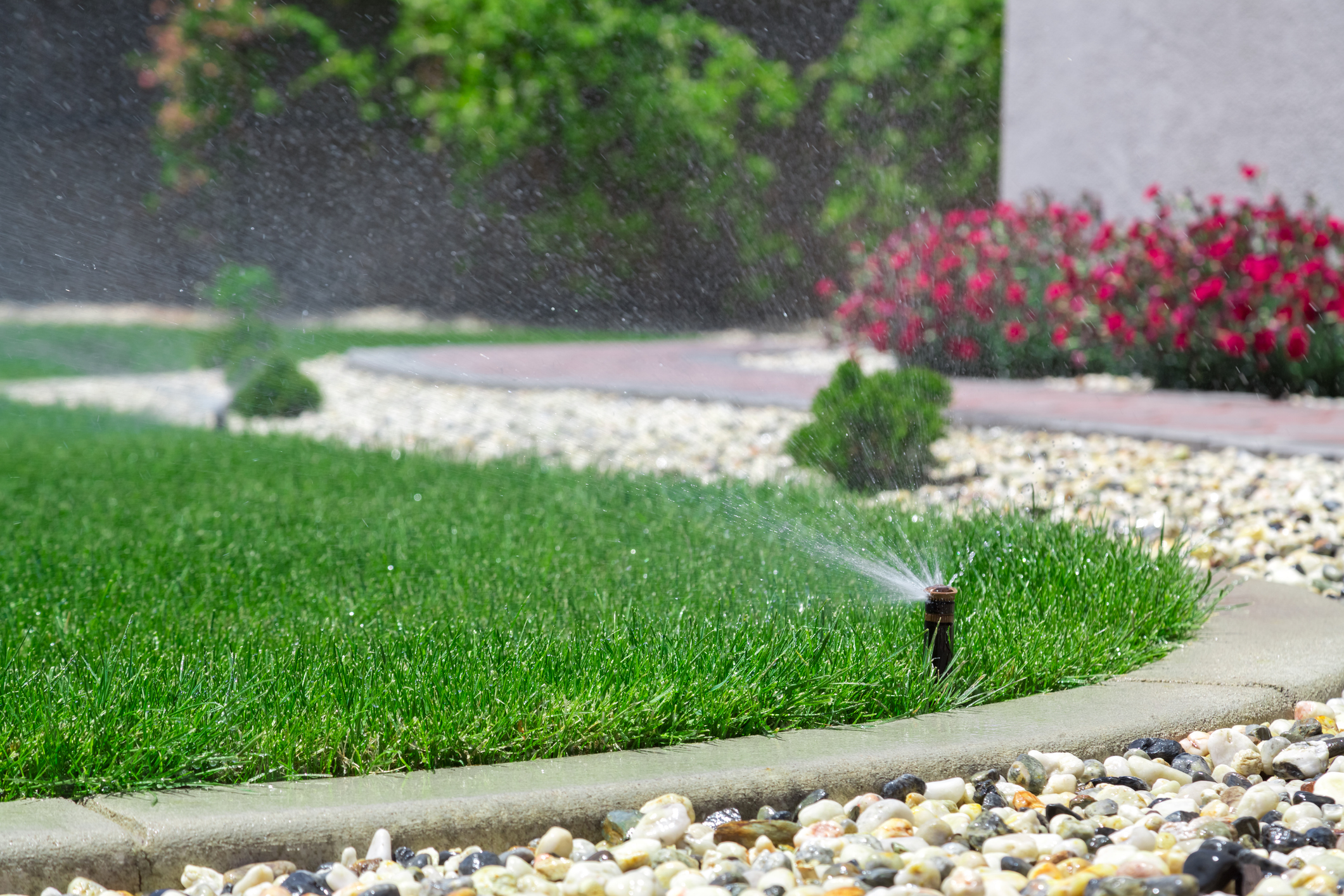
Use a sprinkler set to a fine mist or gentle spray pattern. The goal is to wet the top ½ inch of soil without pooling, running off, or displacing seed. Aim for sessions in the morning, midday, and late afternoon. Avoid watering in the evening if your climate is humid — overnight moisture on the surface raises fungal risk.
After each session, the soil surface should look dark and damp. If it dries to a light tan color within 30 minutes, you need a longer or more frequent session.
For even, gentle coverage without washing seed out of place, an oscillating sprinkler is the right tool. A good option like the Melnor XT Turbo Oscillating Sprinkler covers broad areas at a low, consistent flow rate — much better than a hose nozzle or impact sprinkler on a coarse setting. Soaker hoses aren’t appropriate for this phase because they don’t provide the broad, surface-level coverage new seed needs.
Days 4–7: Active Germination Window for Fast Germinators
Maintain 2 sessions per day; add a third on hot or windy days.
If temperatures stay below 75°F, two sessions at roughly even spacing through the day will keep the surface moist. On days above 75°F or when wind picks up, the surface dries 2–3 times faster — add a midday session.
If you seeded perennial ryegrass, watch for thin green filaments beginning to emerge at the soil surface. Seeing sprouts is encouraging, but don’t reduce your new grass seed watering frequency yet. Newly sprouted seedlings have shallow roots and are just as vulnerable as ungerminated seed.
Continue 2 sessions per day.
Tall fescue and fine fescue are typically showing signs of germination by now. The soil surface still should never fully dry between sessions. If you see white, thread-like growth in the soil, look closely before drawing conclusions: germinating seed radicles emerge from the tip of a visible seed coat and are rooted in place. Fungal mycelium, by contrast, spreads across the surface with no attached seed. If what you’re seeing is fixed to individual seeds, keep watering — that’s germination in progress.
Perennial ryegrass seedlings at this stage are starting to establish; you can begin monitoring their color and density as a sign of progress. Do not reduce frequency until you’ve hit 70–80% coverage across the whole seeded area.
Days 14–21+: Extended Window for Kentucky Bluegrass
Continue 2 sessions per day — do not give up on this schedule.
Kentucky bluegrass is slow. Seeing no germination at day 10 or even day 14 is completely normal. Two sessions per day remains the standard. If the soil is staying visibly moist between cycles without additional help, you can reduce slightly, but don’t drop below once per day.
At 14+ days with no visible germination, press a finger 1 inch into the soil before assuming failure. If it’s dry at that depth, you likely lost moisture somewhere in the schedule. If it’s moist, the seed may simply not have emerged yet.
Temperature note: This cool season grass seed watering schedule assumes average fall or spring soil temperatures of 50–65°F — the ideal germination range for cool-season grasses. Adjust sessions as described in the next section if conditions vary.
How to Tell If You’re Watering New Grass Seed Correctly
Check these signs after each session — not as a diagnostic tool, but as a quick confirmation that you’re on track.
Signs you’re on track:
Adjusting the Watering Schedule for New Cool Season Grass Seed Based on Weather, Soil Type, and Seed Bed Conditions
Heat and Wind
Above 80°F, or on any noticeably windy day, the surface dries significantly faster. Add a third session without hesitation. Watering in the middle of a hot day is acceptable — even encouraged — for new seed. Unlike established lawns, keeping the surface moist matters more than avoiding midday evaporation.
Rain
- Light rain (under ¼ inch): Check the surface 30–60 minutes after the rain stops. If it’s already drying out, supplement with a short session.
- Heavy rain (½ inch or more): Skip one session, but check the surface 2–3 hours later. Don’t assume rain handles the rest of the day.
For more on reading rainfall amounts and deciding when to skip or supplement a cycle, see how rain affects your watering schedule.
Soil Type
Slopes and Exposed Areas
Slopes lose surface moisture faster than flat ground and are prone to runoff that can displace seed. Use shorter, more frequent cycles instead of longer sessions. On steeper grades or wind-exposed patches, a biodegradable erosion control blanket — such as a jute mesh seed mat — helps hold moisture between sessions while still allowing germination. These are widely available at hardware stores and online, and they break down naturally as the grass establishes.
When to Transition Off the Germination Watering Schedule
Once 70–80% of the seeded area shows consistent green coverage, it’s time to start shifting toward an established-lawn schedule. Don’t rush this — the transition should be gradual.
Week 1 of transition: Reduce to 1 session per day. Increase duration slightly so you’re wetting the top 1 inch of soil rather than just the surface.
Week 2: Move to every other day. Increase depth to 2 inches. This begins training roots to grow downward in search of moisture — the goal you’ve been working toward since day one.
Weeks 3–4: Shift to a standard established-lawn schedule: roughly 1 inch of water per week, delivered in 2–3 deep sessions. Once your lawn is fully established, a balanced fertilizer like the Andersons PGF Balanced 10-10-10 will help maintain density and color heading into the growing season.
First mowing: Wait until grass reaches 3–4 inches. Use a sharp blade and remove no more than one-third of the blade height. After the first mowing, treat the lawn as established for watering purposes.
Kentucky bluegrass note: Because bluegrass germinates slowly, parts of your lawn may still be in active germination while other sections are transitioning. Continue the germination-phase schedule for bare patches separately while treating established areas normally.
Common Watering Mistakes That Kill Cool Season Grass Seed
- Watering once a day for a long duration. This mimics the established-lawn approach. The surface dries out between sessions and seed dies. Frequency matters more than volume at this stage.
- Stopping after rain. Light rain rarely penetrates deeply enough or lasts long enough. Always check and supplement if the surface dries within an hour of the rain ending.
- Cutting back when you see sprouts. Newly emerged seedlings are still fragile. Roots don’t anchor until 10–14 days post-germination — don’t reduce frequency just because green is showing.
- Evening-only watering in humid climates. In dry climates this works fine, but holding moisture overnight in humid conditions invites fungal disease. Spread sessions across the day.
- Using too much water pressure. A strong spray displaces seed and creates bare channels. Always use a fine mist or gentle oscillating setting.
- Giving up on slow-germinating species. Kentucky bluegrass routinely takes 3 full weeks. Abandoning the schedule at day 10 is one of the most common — and preventable — seeding failures.
What Success Looks Like
By weeks 3–4, a well-watered seeded area looks like this: uniform green coverage with no large bare patches, grass standing 2–3 inches tall with visible density across the full area, and soil that holds moisture for several hours between standard irrigation cycles. You’re ready for your first mowing and the transition to a regular deep-watering schedule.
Getting here is straightforward if the schedule holds. The seed does the work — your job is to keep the surface consistently moist and stay the course through the full germination window, even when progress seems slow. Once your grass is established, applying a fall lawn fertilizer before winter will help strengthen roots and set your lawn up for a strong spring. Stick to the watering new cool season grass seed schedule outlined here, and the results will follow.
Frequently Asked Questions
How many times a day should I water new grass seed?
For cool-season grass seed, water 2–3 times per day during the germination phase. The goal is to keep the top ½ inch of soil consistently moist without letting it dry between sessions. In the first three days and on hot or windy days, three sessions is the right target. Once temperatures are moderate and you’re past the first week, two sessions spaced evenly through the day is typically sufficient.
What does correctly watered grass seed look like?
The soil surface should stay dark and visibly damp for at least 1–2 hours after each session. Individual seeds will swell slightly within 48–72 hours of initial watering. There should be no dry, light-tan patches, no cracking, and no white dusty crust forming between sessions. If the surface looks consistently dark and damp without standing water, you’re watering correctly.
Can I water new grass seed too much?
Yes. Overwatering creates a soggy surface that promotes fungal disease and can cause seed to rot before germination. Signs of overwatering include pooling water, a slippery or moss-like surface texture, and seed washing out of place. The fix is to shorten each session and space them slightly further apart — especially on clay soil, which holds moisture longer than sandy or amended beds.
What happens if new grass seed dries out for one day?
It depends on where the seed is in the germination process. Ungerminated seed that has not yet absorbed water can survive brief drying, though it may extend your timeline. Seed that has already begun sprouting — absorbing water and initiating cell division — is much more vulnerable. A full day of drying during active germination can kill seedlings before they anchor. This is why consistency matters more than any single session.
How long does cool season grass seed take to germinate?
Germination time varies by species. Perennial ryegrass is the fastest at 5–10 days. Tall fescue and fine fescue typically germinate in 7–14 days. Kentucky bluegrass is the slowest at 14–21 days or more under ideal conditions. Soil temperature also plays a role — germination slows significantly below 50°F or above 65°F. If you’re outside that range, extend your expected timeline accordingly.
Should I water new grass seed after it rains?
It depends on how much rain fell. Light rain under ¼ inch rarely saturates the top ½ inch of soil enough to count as a full session — check the surface 30–60 minutes after it stops and supplement if it’s starting to dry. Heavy rain of ½ inch or more usually means you can skip one session, but check again 2–3 hours later rather than assuming the rest of the day is covered.
When can I stop watering new grass seed so frequently?
Begin scaling back once 70–80% of the seeded area shows consistent green coverage. Reduce to one session per day in the first transition week, then shift to every other day in week two. By weeks three to four, you should be on a standard established-lawn schedule of roughly 1 inch per week. Don’t rush the transition — new grass still has shallow roots even after germination, and cutting back too quickly can stress seedlings before they’re anchored.
Can I water new grass seed in the middle of the day?
Yes — and for new seed specifically, you should if conditions require it. The usual advice to avoid midday watering applies to established lawns where evaporation loss matters more. With new seed, keeping the surface moist is the priority, and midday is often when the surface dries fastest. On hot or windy days, a midday session is one of the most valuable sessions of the day.
How do I water new grass seed on a slope without washing it away?
Use shorter sessions at lower pressure, and run multiple cycles throughout the day rather than one long soak. This allows water to absorb before runoff begins. A fine mist setting on an oscillating sprinkler is ideal for slopes. For steeper grades, a biodegradable erosion control blanket or jute mesh seed mat helps hold the seed and surface moisture in place between sessions while still allowing water penetration and germination to proceed normally.
Does Kentucky bluegrass really take longer to germinate?
Yes — this is one of the most important things to know before seeding. Kentucky bluegrass consistently takes 14–21 days under ideal conditions and can take longer in cooler soils or variable temperatures. Many homeowners abandon their watering schedule at day 10 or 14 assuming failure, when the seed is simply still in the process. If you’ve seeded bluegrass, plan for a full three-week commitment to the germination watering schedule before evaluating results.
Subscribe to our Newsletter for Weekly updates!