
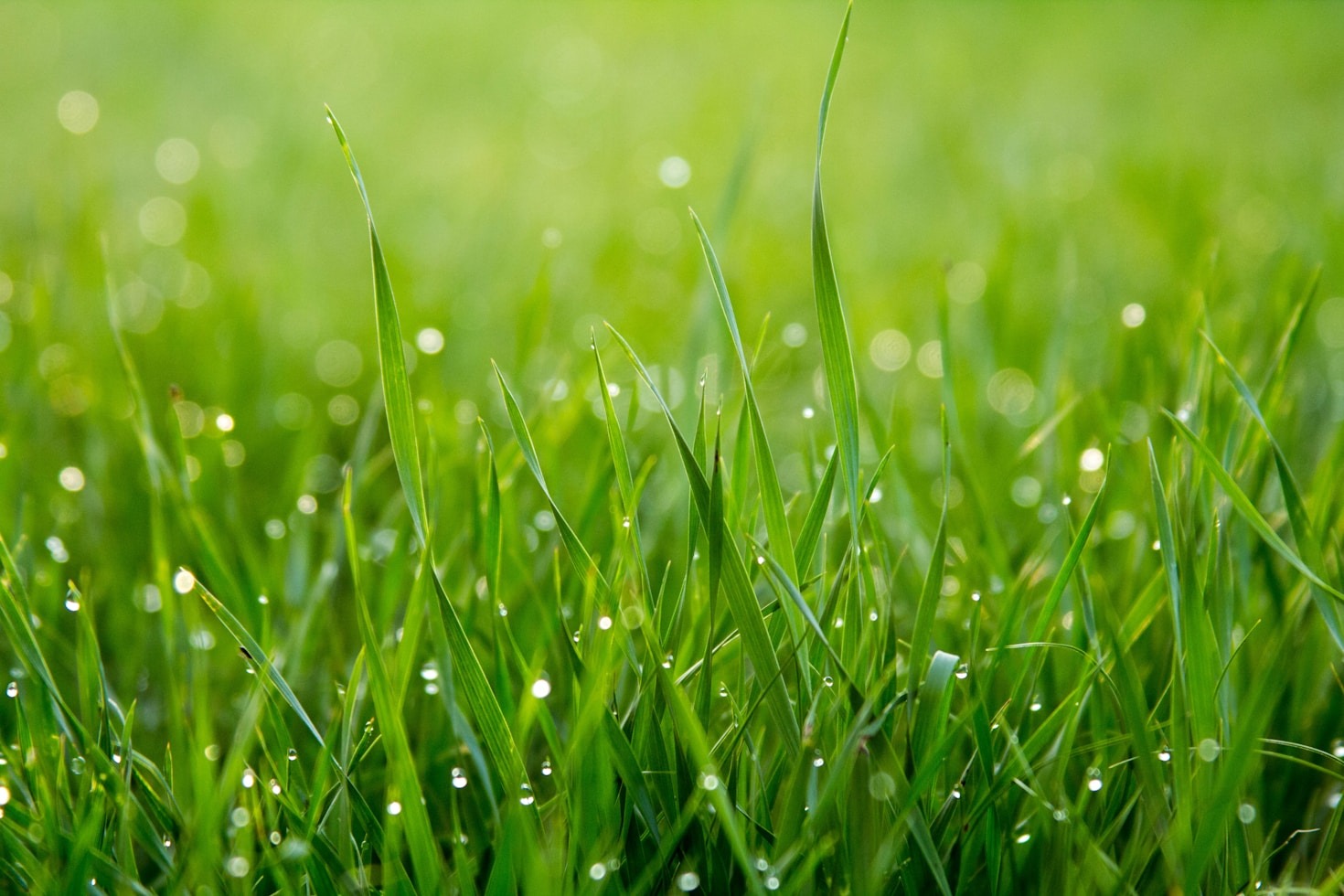
By the end of this guide, you’ll know exactly how to identify your cool season grass type using nothing more than your eyes and hands. Most homeowners have no idea what species is growing in their yard — and that gap leads to real mistakes. Overseed with the wrong species and you get a patchy, mismatched lawn. Apply the wrong selective herbicide and you can damage the grass you’re trying to protect. Follow the wrong fertilizer schedule and your lawn suffers for it. Four visual clues are all you need to get a confident answer.
Disclosure: This article contains affiliate links. If you purchase through these links we may earn a small commission at no extra cost to you.
Why Identifying Your Cool Season Grass Type Actually Matters
Getting your grass ID right isn’t just trivia — it directly affects the decisions you make all season long.
- Overseeding compatibility: Mixing species that don’t match in texture or growth habit creates a visually uneven lawn that worsens over time.
- Herbicide safety: Some post-emergent herbicides that are safe on tall fescue can injure Kentucky bluegrass, and vice versa. Wrong ID means wrong product. The same applies to pre-emergent herbicides — a pre-emergent herbicide safe for one species may not be appropriate for another, so knowing your grass type before application matters.
- Fertilizer timing: Kentucky bluegrass, tall fescue, and perennial ryegrass all have slightly different peak growth windows. Species-specific timing is covered in detail in the Cool Season Lawn Care Schedule: Month-by-Month Guide for a Healthier Yard.
- Choosing the right grass going forward: This article focuses on identifying what you already have. If you’re weighing whether your current grass is even the right fit for your yard, Kentucky Bluegrass vs Tall Fescue: Which Cool Season Grass Is Right for Your Yard? covers that comparison in full.
The Four Key Visual Clues to Identify Any Cool Season Grass
- Leaf texture — Is the blade wide or narrow? Coarse or fine? Width alone eliminates most confusion immediately.
- Blade tip shape — Does the tip come to a point, taper smoothly, or have a distinctive boat-shaped flare? Tip shape is a reliable species marker.
- Growth habit — Does the grass spread outward over time (rhizomatous), or does it stay in a clump and grow upright (bunch-type)? Look at the pattern across your lawn, not just one spot.
- Color and sheen — Is it deep blue-green, medium green, or pale? Does the underside of the blade have a noticeable shine?
What Is Vernation — and Why It Matters
Vernation refers to how the young leaf is folded inside the bud shoot before it emerges — either rolled (the leaf curls into a tube shape) or folded (the leaf is creased flat, like a folded piece of paper). It’s the single most reliable identifier for cool-season grasses because it doesn’t change with mowing height, season, or lawn condition.
To check it: pull a young shoot from the base of the plant — not a mature blade, but a new shoot that hasn’t fully opened yet. Look at the base of the emerging leaf and feel it between your fingers. Rolled vernation feels round and cylindrical. Folded vernation feels flat and creased.
A 10x hand lens or jeweler’s loupe makes this much easier to see on fine-bladed grasses like fine fescue. An inexpensive option like the SE Jeweler’s Loupe 10x works well and costs just a few dollars.
Cool Season Grass Identification: Kentucky Bluegrass
Kentucky bluegrass is one of the most recognizable cool-season species once you know what to look for — and the boat-shaped blade tip is your fastest confirmation.
- Leaf texture: Medium width, smooth to the touch. Not coarse like tall fescue, not hair-fine like fine fescue.
- Blade tip: The single most distinctive feature. The blade narrows toward the tip, then flares out slightly on either side — like the prow of a canoe, or a two-pronged fork. If you see this shape, you almost certainly have Kentucky bluegrass. No other common cool-season grass has it.
- Vernation: Folded.
- Growth habit: Spreads via rhizomes — underground horizontal stems that extend outward and produce new shoots. This is why a Kentucky bluegrass lawn fills in bare spots on its own over time. You won’t see isolated clumps; the lawn knits together as a continuous mat.
- Color: Rich, dark blue-green — the deepest green of any common cool-season grass, which is exactly where the name comes from.
- Underfoot feel: Dense and relatively fine — noticeably softer than tall fescue or ryegrass.
How to Identify Tall Fescue vs Fine Fescue by Leaf Texture
“Fescue” by itself tells you almost nothing. Tall fescue and fine fescue are completely different grasses that happen to share a name — but the leaf texture gives them away immediately.
Tall Fescue
- Leaf texture: Wide and coarse — noticeably wider than Kentucky bluegrass or perennial ryegrass. This is the first thing you’ll notice.
- Blade surface: Distinctly ribbed on the upper surface; shiny on the underside.
- Vernation: Rolled.
- Growth habit: Bunch-type. Tall fescue doesn’t spread via rhizomes — it grows in upright clumps and stays where it’s planted. If you see isolated clumps of coarse-bladed grass in areas where the rest of the lawn has thinned out, that’s tall fescue holding its ground while other species struggled.
- Color: Medium to dark green; upright, slightly stiff growth.
- Leaf texture: Very narrow, almost needle-like — the finest blade of any common cool-season grass. This is unmistakable once you see it.
- Vernation: Folded, but the blade folds so tightly it appears nearly round in cross-section.
- Color: Pale to medium green with lower gloss than ryegrass or bluegrass.
- Growth habit: Varies by sub-type. Creeping red fescue spreads slowly via short rhizomes; chewings fescue and hard fescue are bunch-type and stay in place. All three have that same hair-fine blade width.
- Where it appears: Fine fescue is commonly included in shade seed mixes. If you have a low-light area under trees with wispy, very narrow-bladed grass that looks almost like hair, fine fescue is the most likely candidate.
The fastest split between the two: Leaf width. Coarse and wide equals tall fescue. Hair-fine equals fine fescue. There’s no overlap — these two grasses are as different in texture as sandpaper and thread.
Perennial Ryegrass Identification: The Easiest Cool Season Grass to Spot
Perennial ryegrass has one identifier that stands out from every other cool-season species: the shiny underside of the leaf. No other common cool-season grass comes close to matching it.
- Leaf texture: Medium width — similar to Kentucky bluegrass but slightly wider and less soft to the touch.
- Blade tip: Pointed. Not boat-shaped like bluegrass — just a clean taper to a point.
- Vernation: Folded.
- Growth habit: Bunch-type with no lateral spread. Ryegrass germinates faster than almost any other cool-season species — often 5 to 7 days. If you overseeded recently and now have thick, upright patches of dark green grass establishing quickly, ryegrass is the most likely explanation.
- Color: Dark green on top, with a bright, almost glossy underside.
- Underfoot feel: Dense and firm — noticeably stiffer than Kentucky bluegrass.
The shine test: Pull several blades from different areas of your lawn, flip them over, and hold them side by side. The ryegrass blade will stand out immediately — brighter and shinier than any other species in your hand. This single test takes about 30 seconds and is the most reliable field method for ryegrass.
Perennial ryegrass is a common component in fall overseeding mixes because of that fast germination rate. If your ID confirms ryegrass, check the Cool Season Lawn Care Schedule: Month-by-Month Guide for a Healthier Yard to align your overseeding timing with your species. When purchasing seed, look for a quality perennial ryegrass blend that matches your existing lawn’s texture and color as closely as possible.
What If Your Lawn Has More Than One Cool Season Grass Type?
This is more common than most homeowners realize — and it’s usually not a problem. Commercial seed mixes routinely combine two or three species. Previous owners may have overseeded different zones with different grasses. A shade mix in the back yard and a sun mix in the front often mean completely different species are thriving in different areas of the same lawn.
What a mixed lawn looks like:
- Blade width varies noticeably across sections — fine and wispy in one area, coarse in another
- Some zones clump and stay put; others fill in smoothly over time
- Color variation is visible even in healthy, well-watered turf
How to work with it:
Apply the four-clue method to multiple samples from different areas — not just one spot. Take three or four blade samples from each zone and look for consistent patterns in width, tip shape, and sheen. A single sample from one area won’t give you a reliable picture of the whole lawn.
Once you’ve identified the dominant species in each zone, you can make smarter decisions about overseeding, fertilizing, and weed control on a zone-by-zone basis rather than treating the lawn as a single uniform system.
Renovation is only necessary when incompatible species are actively competing in the same zone and creating visible patchiness that isn’t resolving on its own. If that’s the situation you’re dealing with, How to Fix a Bad Lawn: A Step-by-Step Renovation Guide That Actually Works walks through the full process.
What Confident Identification Looks Like
Once you’ve worked through the four clues — leaf texture, blade tip shape, growth habit, and color and sheen — you should be able to pull a few blades from any part of your lawn and arrive at a species with confidence. Boat-shaped tip and dark blue-green color: Kentucky bluegrass. Hair-fine blades in a shaded corner: fine fescue. Coarse, wide blade with rolled vernation and no spreading: tall fescue. Glossy underside and fast-establishing bunches: perennial ryegrass.
From here, your next step depends on what you found. Use the Cool Season Lawn Care Schedule: Month-by-Month Guide for a Healthier Yard to dial in your fertilizing, overseeding, and mowing timing for your specific species. If identification has you questioning whether you have the right grass for your climate and conditions, Kentucky Bluegrass vs Tall Fescue: Which Cool Season Grass Is Right for Your Yard? gives you the framework to make that call.