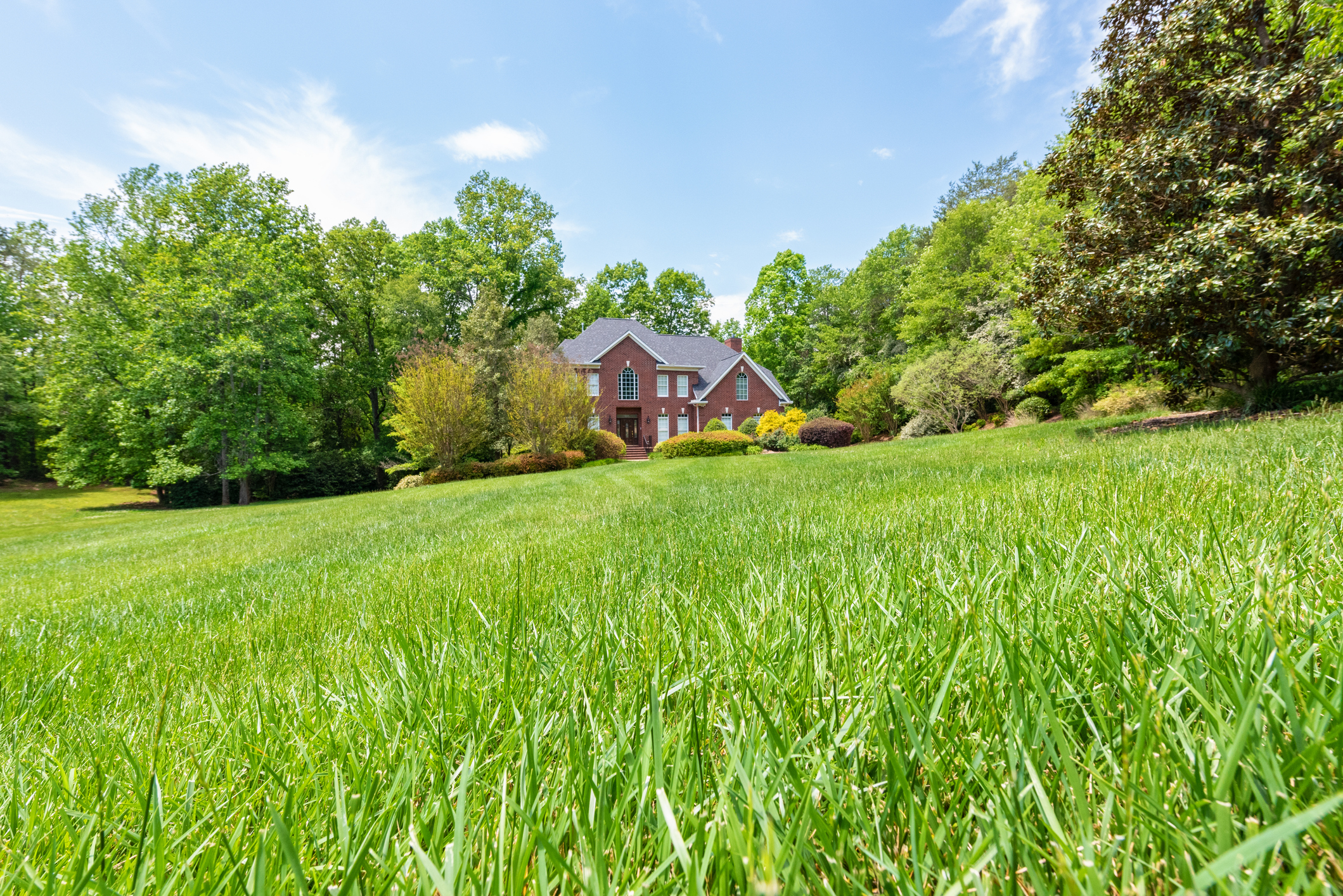
If you’re planning a new lawn, overseeding a thin one, or trying to understand why your grass behaves the way it does, this cool season grasses guide covers everything you need to make a confident decision. Cool season grasses dominate lawns across the northern United States, and choosing the right type — or the right blend — makes a bigger difference than most homeowners realize before they buy seed.
This cool season grasses guide covers the four major types: tall fescue, fine fescue, Kentucky bluegrass, and perennial ryegrass. Each has distinct strengths, limitations, and maintenance demands. Understanding those differences before you plant or renovate saves you years of frustration.
What Makes a Grass ‘Cool Season’ and Why It Matters for Your Lawn
Cool season grasses are defined by when they actively grow: spring and fall. Their optimal growth temperature range is 60–75°F for both soil and air temperature. When summer heat pushes soil temperatures above 85–90°F, cool season grasses slow down or go semi-dormant. They green back up as temperatures drop in late summer and fall.
This is not a flaw — it is simply how these grasses are built. But misunderstanding this growth cycle leads to the most common cool season lawn mistakes. Those include fertilizing at the wrong time, expecting fast summer recovery, and planting seed in spring instead of fall.
Geographic Range
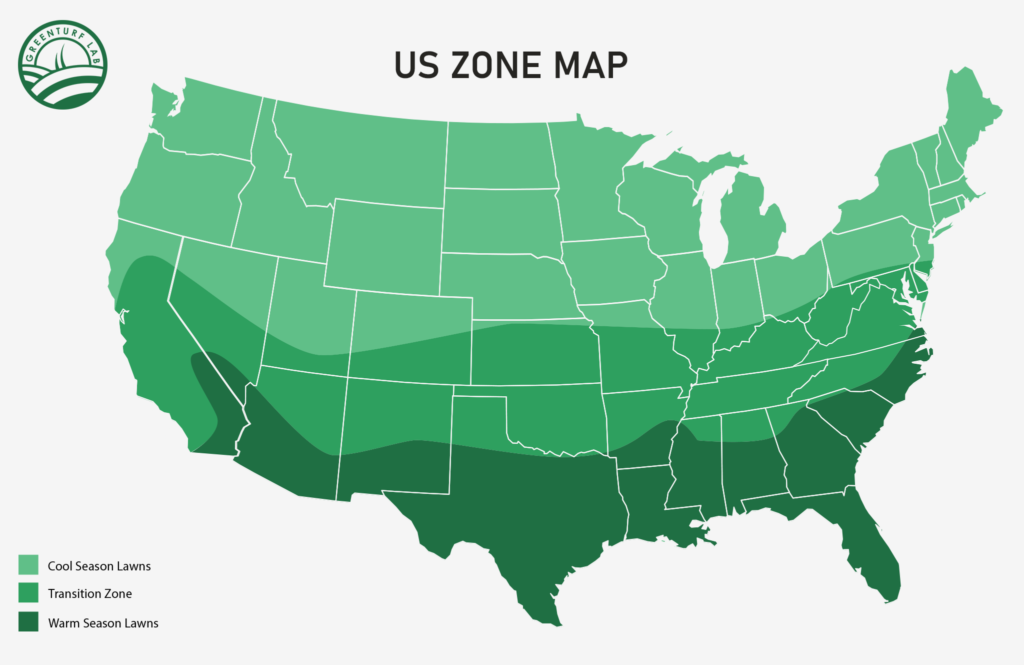
Cool season grasses are the standard choice across:
- The northern United States — New England, the upper Midwest, the Great Lakes region, the northern Plains
- The Pacific Northwest
- The transition zone — a band roughly from Virginia, Missouri, and Kansas south to northern Georgia, where both cool and warm season grasses are viable but neither is perfect
If you live north of roughly Interstate 40 in the eastern half of the country, cool season grass is almost certainly what you have or what you should plant.
Why Growth Cycles Drive Every Lawn Decision
Because cool season grasses peak in spring and fall, almost every major lawn care task should be timed around those windows:
- Planting and overseeding: Fall is the best time, not spring. Soil is warm enough for germination, air temperatures are cooling, and young grass gets months of ideal growing conditions before facing summer heat.
- Fertilizing: Fall fertilization is the priority. Spring fertilization is secondary and should be light.
- Heavy watering demands: Summer — when the grass is stressed and growth slows, but heat and drought are putting pressure on roots.
Warm season grasses like Bermuda, Zoysia, and St. Augustine follow completely different schedules — they’re planted in late spring and fertilized through summer, with dormancy coming in winter instead. That’s a different category with different management rules.
The Four Main Cool Season Grass Types
This cool season grasses guide covers:
- Tall fescue — the versatile workhorse for most homeowners
- Fine fescue — the low-maintenance choice for shade and low-input lawns
- Kentucky bluegrass — the premium, best-looking option for northern states
- Perennial ryegrass — the fast-germinating grass most useful in blends
Tall Fescue: Best Cool Season Grass for Most Homeowners
Tall fescue is the most widely planted cool season grass in the U.S. for good reason. It adapts to a wide range of conditions, handles both heat and drought better than most cool season types, and tolerates moderate shade and traffic. It is not the best at any one thing, but it is reliably competent at most things — which is exactly what most homeowners need.
What It Is and How It Grows
Tall fescue is a bunch-forming grass. It grows in clumps and does not spread laterally via underground stems. This matters in practice: if tall fescue thins out from drought stress, disease, or heavy foot traffic, that patch will not fill back in on its own. You have to overseed it.
On the positive side, tall fescue develops a deep root system — deeper than Kentucky bluegrass or perennial ryegrass. Those deep roots are why it handles drought and summer heat better than most cool season competitors. It is the best-performing cool season grass in the transition zone, where summers are hot enough to push bluegrass into prolonged dormancy.
Where It Works Best
- Family lawns with kids, pets, and moderate to heavy foot traffic
- Transitional climates from the mid-Atlantic through the upper South
- Yards in USDA Hardiness Zones 5–7, with improved varieties pushing performance into Zone 7b
- Yards with partial shade — tall fescue tolerates moderate shade, though not as well as fine fescue
It is not the right call for dense shade, nor is it the top choice for homeowners who prioritize appearance above all else. That’s Kentucky bluegrass territory.
Maintenance Expectations
- Mowing height: 3–4 inches. Cutting lower than 3 inches stresses the plant and reduces drought tolerance.
- Fertilizing: Two applications per year — a heavier fall application and a lighter spring application.
- Overseeding: Because tall fescue doesn’t self-spread, plan to overseed thin areas each fall. This is a routine part of tall fescue lawn maintenance, not a sign something is wrong.
Seed Selection
Turf-type tall fescue, often abbreviated TTTF on seed bags, refers to improved varieties bred for finer blades, better color, and improved heat or disease tolerance. The difference is visible — older tall fescue can look coarse and clumpy; TTTF blends look much closer to a refined turf.
When buying seed, look for bags that specify TTTF or list named varieties on the label. Blends from brands like Pennington Smart Seed or Jonathan Green offer improved TTTF varieties with noted heat tolerance. The small price premium over generic bulk bags is worth it for the long-term improvement.
Fine Fescue: Low-Maintenance Cool Season Grass for Shade and Slopes
Fine fescue is the most shade-tolerant of all the major cool season grass types and the least demanding in terms of fertilizer and irrigation. If you have a heavily shaded yard, a low-maintenance rural property, or a slope that is difficult to mow regularly, fine fescue deserves serious consideration.
What It Is and How It Grows
“Fine fescue” is an umbrella term covering several related species with similar fine-bladed, low-input characteristics. The three types most relevant to homeowners are:
- Creeping red fescue — has a slight lateral spread via short rhizomes. This gives it limited ability to fill in thin areas. Most useful in shade mixes.
- Chewings fescue — bunch-forming like tall fescue. Similar shade tolerance to creeping red, with slightly better wear tolerance.
- Hard fescue — the lowest-input of the three. Very low fertilizer requirements, good drought tolerance, and it can be maintained at heights that make it nearly a no-mow grass in low-use areas.
In practice, most homeowners encounter fine fescue through shade mixes or low-maintenance blends rather than as a named single-species purchase.
Where It Works Best
- Shaded areas under established trees where other cool season grasses struggle
- Slopes where mowing is infrequent or difficult
- Low-maintenance lawns where minimal inputs are a priority
- Cool, humid northern climates — fine fescue tolerates cold well but dislikes heat and humidity
Fine fescue has one significant limitation: poor traffic tolerance. It is not suitable as the primary grass on a lawn that sees regular foot traffic, play, or pets. Reserve it for lower-use areas or mix it with more traffic-tolerant cool season grass types.
Maintenance Expectations
- Fertilizing: Very low. Overfertilizing fine fescue — particularly with high-nitrogen products — does more harm than underfertilizing. It encourages disease and thatch buildup.
- Mowing: Mow higher and less frequently than you would with tall fescue or bluegrass. Hard fescue in particular can be maintained at 3–4 inches with minimal mowing.
- Reading the seed bag: When buying a shade mix, check the label for species percentages and germination rates. A quality shade mix will list whether it contains creeping red, chewings, or hard fescue specifically. Bags listing only “fine fescue” without species details are less informative.
Blending Fine Fescue with Tall Fescue
If your yard has both sunny and heavily shaded areas — which describes most residential lots with mature trees — a blend of tall fescue and fine fescue will outperform either grass planted alone. The tall fescue handles open, high-traffic areas. The fine fescue thrives under tree canopy. Many commercially available shade-tolerant lawn seed mixes already follow this logic.
Kentucky Bluegrass: Premium Cool Season Grass for Northern States
Kentucky bluegrass is the grass most people picture when they imagine a lush, dark green, well-manicured northern lawn. It is genuinely beautiful — and genuinely demanding. Understanding both sides of that tradeoff is essential before choosing it as your cool season grass.
What It Is and How It Grows
Kentucky bluegrass has a narrower, finer blade than tall fescue and a distinctive deep blue-green color. Its most important practical characteristic is how it spreads: via rhizomes, which are underground horizontal stems that send up new shoots. This spreading habit means Kentucky bluegrass can repair itself over time. Thin spots and minor damage from traffic or disease can fill back in without manual overseeding, given enough time and appropriate conditions.
That self-repair capability is a real advantage for high-traffic family lawns — provided the grass is healthy and growing in conditions it tolerates.
The major limitation is sun requirement. Kentucky bluegrass needs full sun — at least 6 hours of direct sunlight per day. In shade, it thins out and eventually fails.
Where It Works Best
Kentucky bluegrass is ideally suited to northern states: Minnesota, Wisconsin, Michigan, Ohio, New England, and the upper Plains. These climates offer cool summers, cold winters, and enough moisture to avoid prolonged drought stress.
It struggles in the transition zone. Summer heat in Virginia, Missouri, or Kansas pushes Kentucky bluegrass into extended dormancy and increases disease risk. In those climates, tall fescue is the more reliable cool season grass choice.
Kentucky bluegrass pairs well with perennial ryegrass in seed mixes. Ryegrass germinates in 5–7 days and provides quick cover. Bluegrass germinates in 21–28 days and establishes slowly but eventually dominates. This combination gives you fast early results while the premium cool season grass establishes underneath.
Maintenance Expectations
- Water: More than fescues. Kentucky bluegrass has shallower roots than tall fescue and will go dormant in drought faster.
- Fertilizer: Higher nitrogen demand than fescues, with fall fertilization being critical for root development.
- Mowing: 2.5–3.5 inches. It tolerates lower mowing than tall fescue, but cutting scalp-short weakens it.
- Establishment time: Slow. Expect 21–28 days to germination under good conditions, followed by slow early growth. A newly seeded Kentucky bluegrass lawn may look sparse for most of its first season.
- Summer dormancy: Brown, slow-growing grass in July and August is normal behavior for Kentucky bluegrass under heat stress. It is not a sign the lawn has failed.
Seed Selection
Disease resistance matters more with Kentucky bluegrass than with most other cool season grass types. Leaf spot and summer patch are real risks in humid northern climates, and susceptible varieties handle these diseases poorly. Look for seed bags that list named varieties with noted disease resistance rather than generic “Kentucky bluegrass” blends. Improved varieties from brands like Scotts or Jonathan Green label their disease-resistance traits, and that information is worth using.
Perennial Ryegrass: Fast-Germinating Cool Season Grass for Quick Coverage
Perennial ryegrass — not to be confused with annual ryegrass, which is a temporary cover crop — germinates faster than any other major cool season grass. Typically 5–7 days under good conditions. That speed makes it extremely useful in specific situations, even though it is rarely the best standalone choice for most of the country.
What It Is and How It Grows
Perennial ryegrass has a fine to medium blade with an appearance similar to Kentucky bluegrass. Like tall fescue, it is bunch-forming — it does not spread via rhizomes or stolons. Bare patches will not fill in on their own.
It establishes quickly, tolerates foot traffic reasonably well, and has a good appearance. Its weaknesses are drought tolerance (lower than either fescue type) and heat tolerance (it struggles in hot summers more than tall fescue).
Where It Works Best
Perennial ryegrass is most valuable as a component in cool season grass seed mixes rather than a standalone lawn grass for most U.S. homeowners. Its primary roles:
- Nurse grass in bluegrass mixes: Ryegrass germinates fast to provide early cover, prevent erosion on freshly seeded slopes, and create a green lawn while the slower-germinating bluegrass establishes.
- Overseeding thin lawns: When you need visible results quickly and full renovation is not the goal.
- Temporary cover: Before a full lawn renovation the following season.
Homeowners in mild coastal climates — the Pacific Northwest, parts of coastal California, and similar environments with cool, wet winters and mild summers — can use perennial ryegrass as a primary cool season lawn grass with reasonable long-term success.
Winter Overseeding
Warm season lawn owners in the transition zone and upper South sometimes overseed dormant Bermuda grass with perennial ryegrass in fall to maintain green color through winter. This is a different use case entirely. The ryegrass provides temporary cool-season color over a warm season base, then dies out as Bermuda breaks dormancy in spring.
Maintenance Expectations
- Fertilizing and mowing: Similar to Kentucky bluegrass — moderate input requirements.
- Drought tolerance: Low compared to fescues. Perennial ryegrass needs consistent moisture and is not a reliable standalone choice in drier climates or regions with hot summers.
- Persistence: In northern climates with cold winters, perennial ryegrass is genuinely perennial and will persist for years. In the transition zone, it may thin out over multiple summers.
Cool Season Grass Comparison Table: Shade, Drought, Traffic, and Maintenance
Use this table as a quick reference when evaluating which cool season grass suits your specific yard conditions.
| Grass Type | Shade Tolerance | Drought Tolerance | Traffic Tolerance | Maintenance Level |
|---|---|---|---|---|
| Tall Fescue | Moderate | Good | Moderate–High | Moderate |
| Fine Fescue | High | Good | Low | Low |
| Kentucky Bluegrass | Low | Moderate | High (self-repairs) | High |
| Perennial Ryegrass | Moderate | Low–Moderate | Moderate | Moderate |
How to Read This Table
- Shade tolerance matters most if you have established trees. Fine fescue is the clear winner. Kentucky bluegrass is the clear loser.
- Drought tolerance affects watering frequency and summer performance. Tall fescue and fine fescue both hold up well. Perennial ryegrass needs more consistent irrigation.
- Traffic tolerance is the key factor for active family lawns. Kentucky bluegrass can self-repair via rhizomes, which makes it competitive here despite its other demands. Tall fescue holds up to heavy use but needs overseeding when bare spots develop.
- Maintenance level should honestly match how much time and money you will actually invest. Fine fescue is the lowest-input cool season grass option. Kentucky bluegrass demands more water, more fertilizer, and more attention than many homeowners expect.
The Case for Blends
Most high-quality lawn seed products mix two or more cool season grass types rather than selling a single species. A classic northern lawn mix might be 70% Kentucky bluegrass and 30% perennial ryegrass. A shade mix might combine fine fescue with a percentage of tall fescue. Blends let each cool season grass cover for the other’s weaknesses.
When buying seed — whether for a new lawn, overseeding, or a renovation — look for blends that match your specific site conditions. A quality TTTF or bluegrass blend will outperform generic “lawn grass” mixes over a multi-year horizon.
How to Choose the Right Cool Season Grass for Your Lawn
Here is a simplified decision framework based on the most common homeowner scenarios:
You want a beautiful, lush lawn in a northern state and will water and fertilize properly: Kentucky bluegrass, ideally in a blend with perennial ryegrass for faster establishment.
You have a shaded yard or want minimal maintenance: Fine fescue, or a shade mix that includes fine fescue as a primary component.
You live in the transition zone or want heat and drought tolerance: Turf-type tall fescue. It is the most reliable cool season grass for climates with hot summers.
You need fast coverage for overseeding or temporary repair: Perennial ryegrass, either alone or as part of a quick-repair blend.
Your yard has both sunny and shaded areas: A tall fescue and fine fescue blend, or a three-way mix that includes Kentucky bluegrass for open sunny zones.
You are in the transition zone and unsure whether to go cool or warm season: Tall fescue is the best cool season bet, but warm season options like Zoysia or Bermuda may offer better long-term performance in the warmest parts of the transition zone. Review that comparison before you commit to a grass type.
Conclusion
The best cool season grass for your lawn depends on three things: your climate, your site conditions (sun, shade, soil), and your honest maintenance tolerance. There is no single right answer — but there are clearly wrong ones, and most come from choosing based on price or appearance alone without considering how a grass actually grows.
Here are the key principles to carry forward from this cool season grasses guide:
- Cool season grasses peak in spring and fall. Plant, fertilize, and overseed in those windows — fall is always the priority.
- Tall fescue is the most adaptable cool season grass for most U.S. homeowners, particularly in the transition zone.
- Fine fescue is the right call for shade and low-maintenance scenarios, but not for high-traffic areas.
- Kentucky bluegrass delivers the best appearance but demands the most inputs and requires full sun.
- Perennial ryegrass is most valuable in mixes and for fast temporary coverage, not as a primary standalone grass in most climates.
- Blends typically outperform single-species plantings by combining the strengths of each cool season grass type.
Once you have selected your grass type, the next decisions — planting timing, soil preparation, fertilizing schedule, and watering frequency — all flow directly from understanding how your chosen grass grows. Getting the foundation right makes every subsequent lawn care decision easier and more effective.