Most homeowners spend time thinking about how much to water their lawn — how many minutes to run the sprinklers, how many days per week. But the best time to water cool season grass is just as important as volume. Getting it wrong can actively damage the turf you’re trying to maintain. This guide covers the correct timing window, why it works, how to adjust across seasons, and the mistakes that quietly weaken cool-season lawns over time.
Disclosure: This article contains affiliate links. If you purchase through these links, I may earn a small commission at no extra cost to you. As an Amazon Associate, I earn from qualifying purchases.
Why Timing Your Watering Matters More Than How Much You Apply
When you water matters because moisture on the grass surface behaves differently depending on the time of day.
Two problems come from poor timing:
- Evaporation loss — Watering during midday heat means a significant portion never reaches the root zone. It evaporates off the soil and grass blades before doing any good.
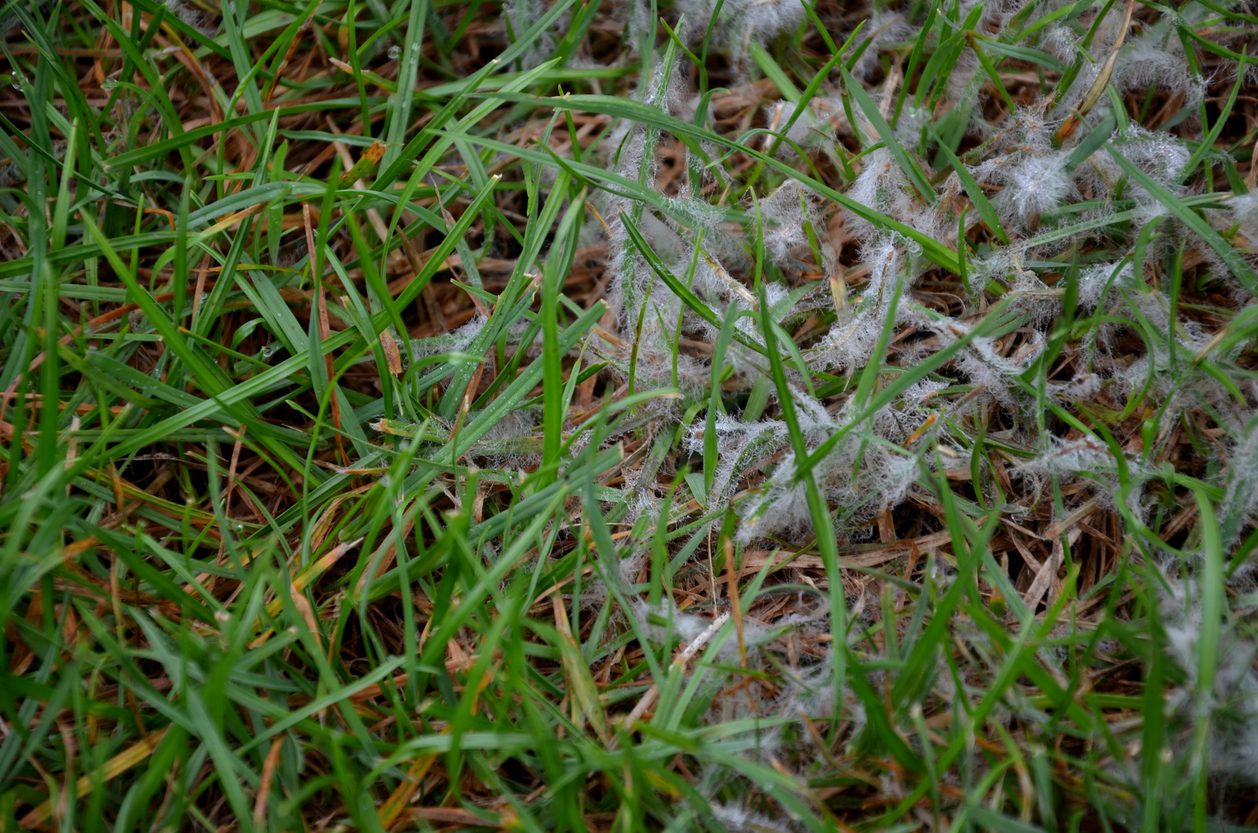
- Fungal disease pressure — Watering in the evening leaves grass blades wet for 8 to 10 hours overnight. That extended leaf wetness is the primary trigger for fungal disease pressure in cool-season turf. Diseases like dollar spot, leaf spot, and gray leaf spot are all linked to prolonged wet foliage, especially in mild temperatures.
Cool-season grasses — Kentucky bluegrass, tall fescue, fine fescue, and perennial ryegrass — are especially vulnerable. They thrive in cool, moist conditions, which is exactly what fungal pathogens prefer too.
The key point: timing is a free optimization. You don’t need to water more or less — just water at the right time.
The correct window is early morning — ideally between 4 a.m. and 9 a.m., with 5–6 a.m. being the sweet spot.
Here’s why this window works:
- Soil absorbs moisture before heat builds. Cooler morning temps mean water moves into the root zone instead of evaporating.
- Grass blades dry naturally. As the sun rises, moisture on the blades evaporates within a couple of hours. Grass enters the day dry, which cuts fungal risk.
- Roots have full-day access to moisture. Water applied in the morning is available to the plant during the hottest part of the day.
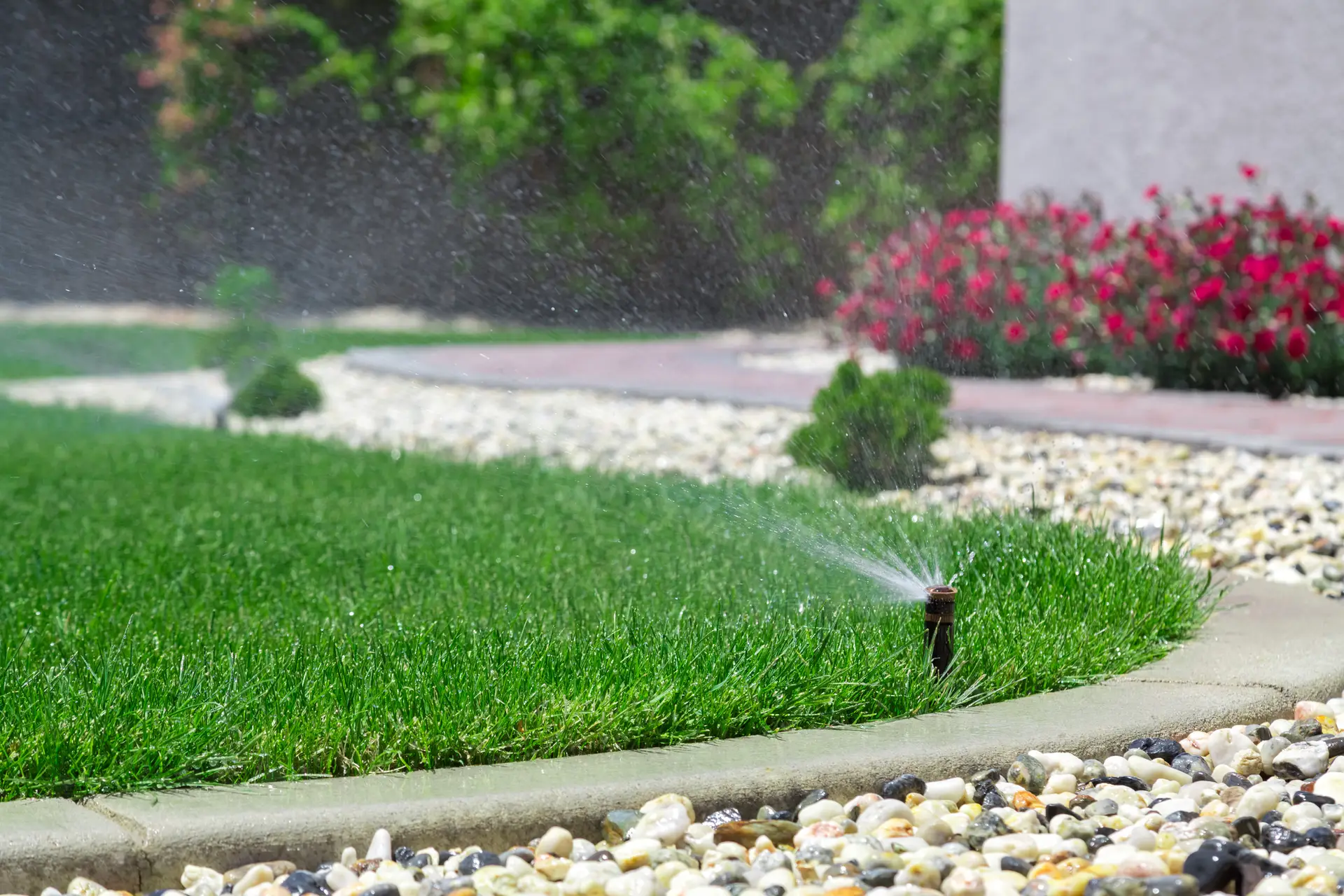
- Wind is typically lower in the morning. This makes sprinkler distribution more accurate. An oscillating or impact sprinkler provides better, more even coverage when there’s less drift to fight.
If you’re currently running sprinklers at night out of convenience, shifting that timer to 5 or 6 a.m. is the single highest-impact change you can make. A programmable hose-end timer makes this effortless. Smart irrigation controllers go a step further by checking local weather forecasts and skipping scheduled runs after rain — which prevents waterlogging and wasted water.
Why Evening Watering Damages Cool Season Lawns
Evening watering isn’t just suboptimal — it’s the most actively damaging timing choice for a cool-season lawn.
When you water after 5 p.m., grass stays wet through the night. That’s 8 to 10 hours of uninterrupted moisture on the blades and soil surface. Fungal pathogens need that window to colonize and spread.
Midday watering is wasteful due to evaporation, but it doesn’t create disease conditions. Evening watering actively promotes the environment fungal diseases need. That distinction matters — midday is a resource problem, evening is a plant health problem.
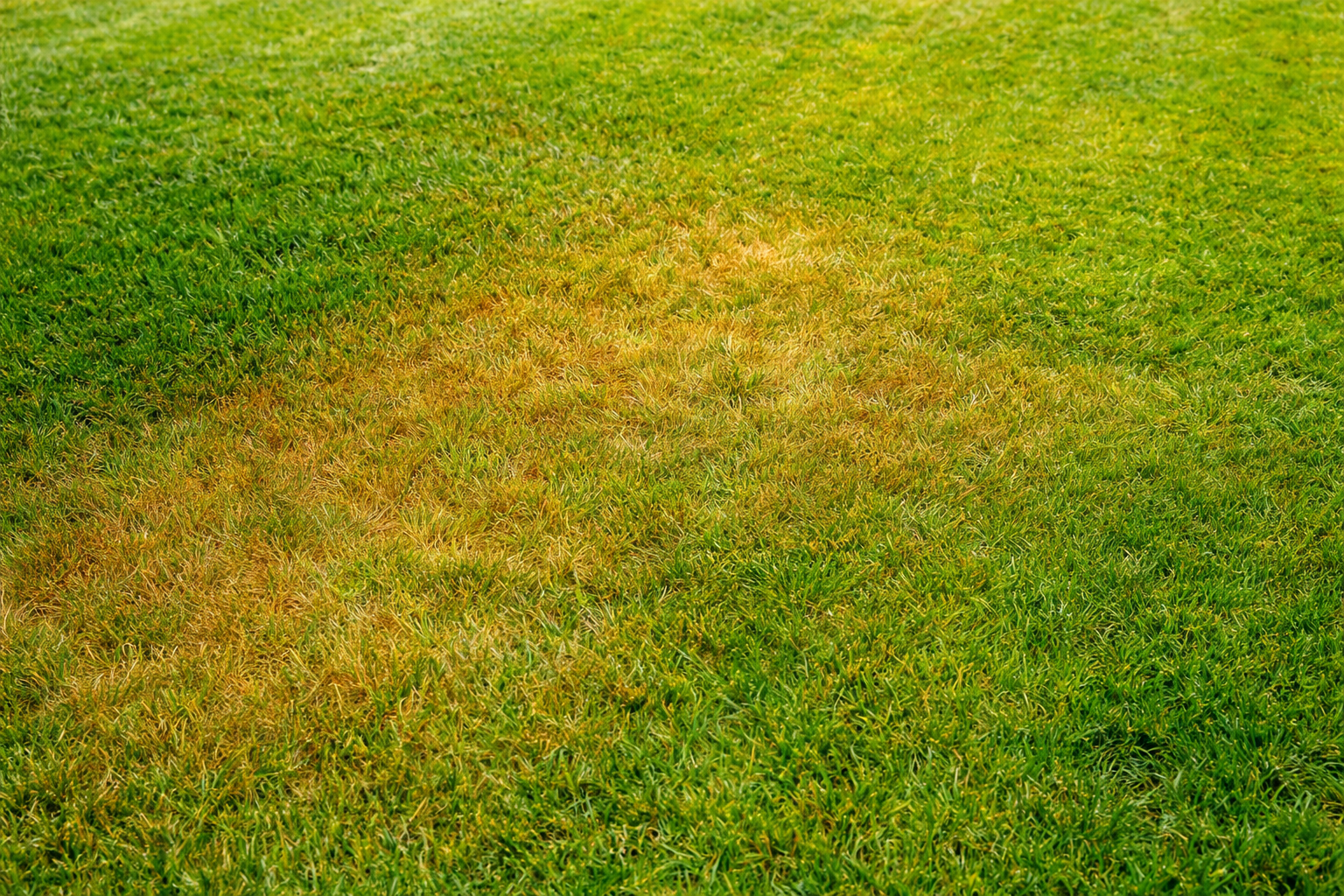
One evening watering event won’t wreck a lawn. The damage is cumulative. A homeowner who runs sprinklers after dinner every day through June and July may see tan patches or blighted areas appear across the turf by late July. This is often blamed on heat or drought, but fungal disease from wet nights is frequently the actual cause.
The fix is simple: move your watering window to the morning.
Cool Season Grass Watering Schedule by Season
Cool-season grass water needs shift significantly across the year. A fixed schedule ignores how much conditions change between March and August.
Spring (March–May)
- Target: 1 inch of water per week total, combining rain and irrigation
- Frequency: 1–2 sessions per week if supplemental irrigation is needed
- Approach: Deep, infrequent watering encourages roots to grow downward
Avoid over-irrigating in early spring. Saturated soil in cool weather can cause root oxygen deprivation.
Summer (June–August)
This is the highest-stress period for cool-season grass. Heat and drought combine, and the grass may shift into semi-dormancy.
If maintaining active growth:
- 1 to 1.5 inches of water per week, split across 2–3 early-morning sessions
- Deep, infrequent watering keeps roots growing downward — daily shallow sessions keep roots near the surface and increase stress sensitivity
If allowing summer dormancy:
- Apply about 0.5 inches of water every 2–3 weeks
- This keeps the crown (the growing point at the base of each plant) alive without forcing the grass out of dormancy
- Crown death from extended drought is permanent; dormancy is recoverable once temperatures drop
Fall (September–November)
Fall is the peak growth period for cool-season grasses. Root development and density both happen primarily in fall.
- Irrigation tapers as temperatures drop and rainfall increases
- Continue early-morning timing — cool fall nights mean even brief evening moisture raises fungal risk
- Reduce frequency as soil stays moist longer in cooler conditions
- If you’ve overseeded or aerated, the watering schedule changes during germination (covered in the next section)
Winter (December–February)
Dormant cool-season grass in most northern climates needs little to no supplemental irrigation. The one exception: an extended dry, mild stretch without snow cover. A single deep watering prevents desiccation — where cold, dry winds pull moisture from plant tissue. Outside of that, let dormancy run.
Watering Newly Seeded Cool Season Grass: Does Timing Change?
Yes — new seed requires a different approach than established turf.
Germinating seed needs the top 1 to 2 inches of soil consistently moist. This means more frequent, lighter watering — sometimes 2 to 3 short passes per day.
Timing still matters, with one exception:
- Morning remains the primary window
- A brief midday pass on a hot day is acceptable during germination to prevent the surface from drying out — this is the one scenario where midday watering is justified
- Evening watering should still be avoided, even on new seed; emerging seedlings face the same fungal risk as established turf
Once seedlings reach 1 to 2 inches tall, begin transitioning to the standard deep-and-infrequent schedule.
Common Watering Timing Mistakes That Weaken Cool Season Turf
Watering Every Day at Short Durations
Frequent shallow watering keeps moisture in the top inch of soil. Roots stay shallow — and shallow roots mean a grass plant that wilts faster and recovers slower from stress.
Watering in the Evening Out of Convenience
The most common mistake. Running sprinklers after dinner is the primary driver of cumulative fungal disease in cool-season lawns. Shift the timer to early morning.
Skipping Irrigation Entirely During Summer Dormancy
Dormancy is a normal stress response — the plant is conserving energy, not dying. But if the crown dries out completely, the grass won’t green up when temperatures drop. A light watering every 2 to 3 weeks during extended drought keeps the plant alive.
Running Irrigation After Recent Rain
Watering on top of saturated soil leads to runoff and an overwatered lawn. A simple rain gauge — available for $5 to $10 at most hardware stores — shows how much water fell so you can skip unnecessary irrigation cycles. Smart controllers with weather-skip functionality handle this automatically.
Watering During Midday Heat on Established Turf
Most of the water evaporates before it reaches the root zone. The germination exception does not apply to established grass.
Conclusion
The best time to water cool season grass is early morning — between 4 a.m. and 9 a.m. — for all established turf, year-round. Here’s the short version:
- Evening watering is the most damaging mistake — it creates overnight leaf wetness that drives fungal disease in Kentucky bluegrass, tall fescue, fine fescue, and perennial ryegrass
- Deep, infrequent watering builds stronger roots than daily shallow sessions
- Seasonal adjustment matters — spring and fall need less irrigation than summer; summer dormancy is manageable if crown moisture is maintained
- New seed loosens the rules slightly, but avoid evening watering even during germination
For homeowners who want to take the next step, pair correct timing with a proper fall renovation plan. Fall is when cool-season grasses recover, thicken, and build root depth. Applying a winterizer at the right time in fall also works alongside correct watering habits to produce a noticeably stronger lawn the following spring. Pairing that with a quality warm season fertilizer earlier in fall helps build the nutrient foundation that supports recovery and root development before winter.
Frequently Asked Questions
What time should I stop watering my lawn in the morning? Try to finish watering by 9 a.m. This gives grass blades enough time to dry completely before temperatures peak. Finishing earlier — closer to 7 or 8 a.m. — is even better.
Is it okay to water grass in the middle of the day if it’s wilting? For established cool-season grass, midday watering wastes water through evaporation and isn’t recommended as a habit. If the lawn is severely wilting and temperatures are extreme, a brief pass can reduce stress — but fixing your regular schedule is a better long-term solution.
How often should I water Kentucky bluegrass in summer? During active growth, aim for 1 to 1.5 inches per week split across 2 to 3 early-morning sessions. If allowing summer dormancy, a light watering every 2 to 3 weeks keeps the crowns alive without pushing the grass out of dormancy.
Can I water tall fescue every day? Daily watering is not recommended. Frequent shallow watering keeps roots near the surface and increases stress sensitivity. Deep, infrequent sessions — every 2 to 3 days during peak heat — produce stronger, more drought-tolerant turf.
Is it okay to water at night if I use drip irrigation? Drip irrigation delivers water directly to the root zone without wetting the leaf surface. This reduces the fungal risk associated with overhead watering at night. If you’re using in-ground drip lines or soaker hoses, evening timing is far less of a concern than it is with sprinklers.
Subscribe to our Newsletter for Weekly updates!