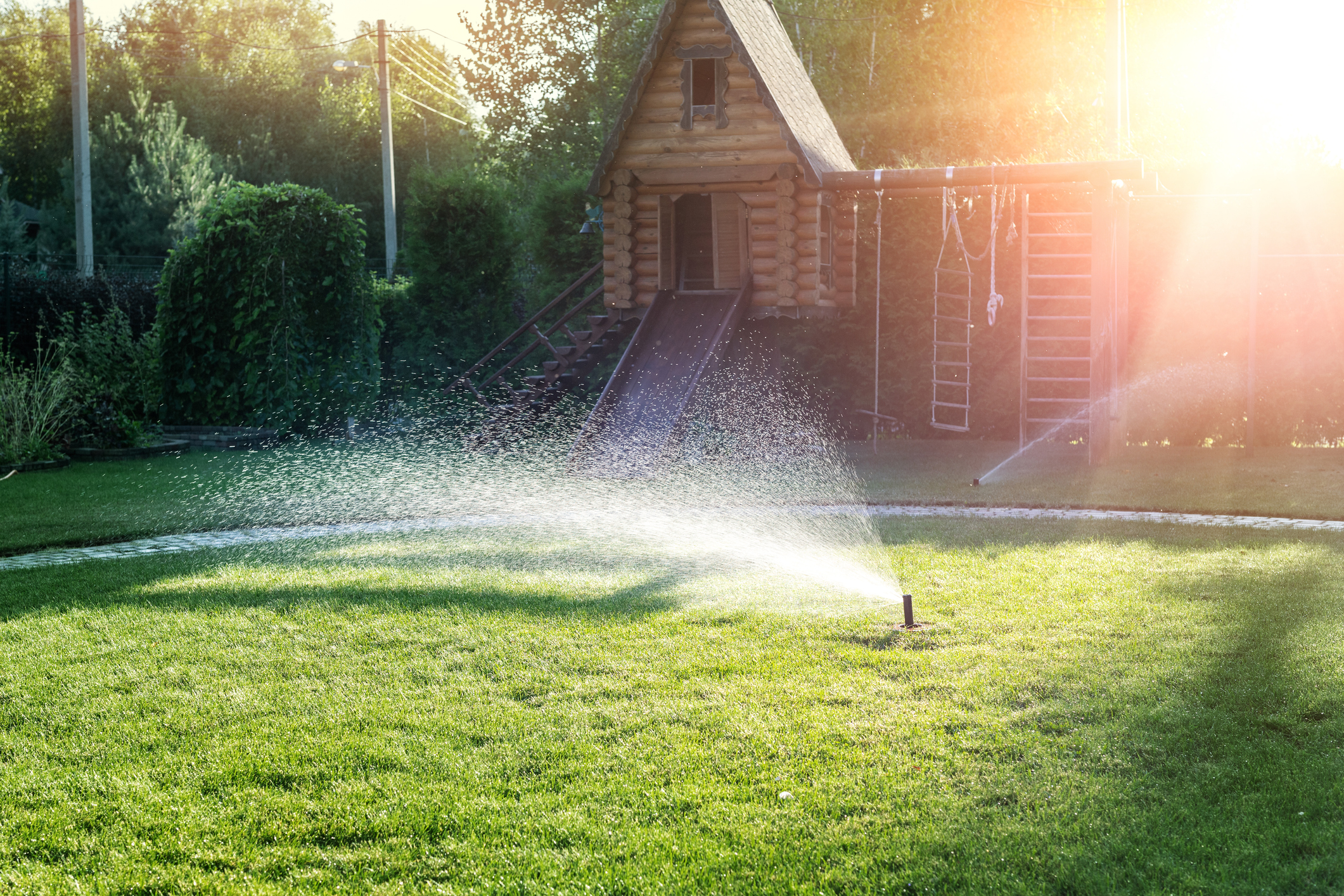
The aeration and overseeding sequence fall lawn renovations depend on is straightforward: aerate first, overseed second, fertilize in between. The order isn’t flexible. The individual tasks matter, but the sequence is what determines whether your seed establishes or gets wasted. A well-executed fall aeration and overseeding sequence gives cool season grasses — Kentucky bluegrass, tall fescue, fine fescue, perennial ryegrass — better seed-to-soil contact, stronger root development before winter, and a lawn that fills in uniformly come spring. Get the order right and the results are reliable. Get it wrong and you’ll spend a full season and a bag of seed finding out.
Disclosure: This article contains affiliate links. If you purchase through these links we may earn a small commission at no extra cost to you.
Why the Order of Aeration and Overseeding Actually Matters
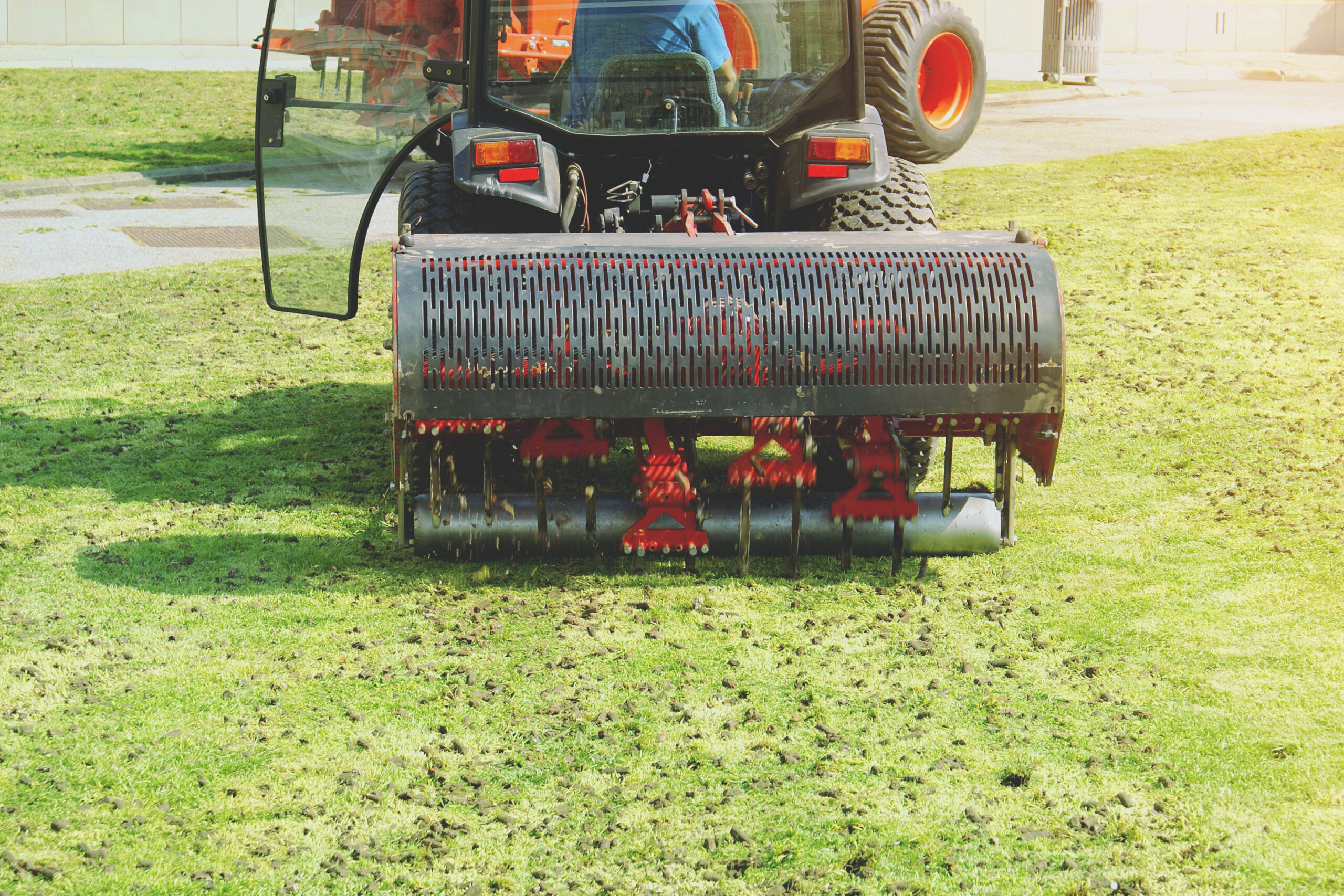
Core aeration works by pulling plugs of soil out of the ground, opening channels that allow seed, water, and air to reach the root zone. Those open cores are exactly what new seed needs to make contact with soil and germinate.
If you overseed first and aerate second, the aerator disrupts seed that’s already on the surface. Cores dislodge germinating seed, pull it out of position, or bury it too deep inside clumps of extracted soil where it can’t establish. Either way, you’ve wasted seed before it had a chance.
Overseeding into unprepared, compacted soil is the other failure mode. Seed that sits on a hard surface with no channel access dries out quickly and fails to root. The fall aeration vs. overseeding order isn’t a preference — it’s the difference between seed that reaches soil and seed that doesn’t.
Aerate First: The Case for Punching Holes Before You Drop Seed
Step 1: Mow to 2–2.5 Inches
Mow your cool season grass lower than your normal maintenance height — around 2 to 2.5 inches — before running the aerator. Taller grass cushions the tines and reduces the depth of each core. A lower cut exposes the soil surface and lets tines penetrate more effectively. Skipping this step is one of the more common mistakes that quietly undermines the whole job.
Step 2: Water 1–2 Days Before Aerating
Cores should reach 2–3 inches deep to open useful channels. Bone-dry soil produces short, shallow plugs that don’t do much. If it hasn’t rained in the past few days, water the lawn 24–48 hours before aerating to soften the top few inches of soil.
For dense or clay-heavy lawns, run the core aerator in two directions — once across the lawn, then again at a 90-degree angle to the first pass. This doubles the number of holes and ensures you’re not leaving untreated strips between rows. For lighter renovation work on less compacted soil, one pass is sufficient.
Most homeowners will rent a core aerator from a hardware store or big-box rental center — this is the practical choice for a once-a-year job. For smaller lots where owning makes sense, a quality plug aerator like this one on Amazon is worth considering. The Best Lawn Care Tools for Homeowners covers the rent vs. own decision in more detail.
One note on equipment: use a core (plug) aerator, not a spike aerator. Spike aerators press the soil aside rather than removing it, which can actually increase compaction around each hole over time and doesn’t create the open channel that seed needs. For fall renovation, a plug aerator is the correct tool.
Step 4: Leave the Cores on the Surface
Don’t rake them up. The extracted plugs break down over 1–2 weeks and act as a light top-dressing, returning organic matter to the soil surface. Removing them wastes that benefit.
How to Time Your Fall Aeration and Overseeding Sequence for Cool Season Grass
The right aeration and overseeding sequence fall timing comes down to soil temperature, not calendar date. You want soil temperature between 50–65°F measured at 2-inch depth — warm enough for germination, cool enough that weed competition is dropping off.
Regional timing by USDA zone:
- Northern zones (4–5): Late August through mid-September
- Mid-Atlantic and Midwest (zone 6): Mid-September through early October
- Transition zone (zone 7): Late September through mid-October
Species germination rates matter for how late in the window you can seed:
- Perennial ryegrass: 5–7 days
- Tall fescue: 7–14 days
- Kentucky bluegrass: 14–21 days
Kentucky bluegrass needs more runway. If you’re seeding in late October in zone 6, you’re cutting it close. New seedlings need at least 4–6 weeks of growing days before hard frost to establish a root system that survives winter.
If you’re not sure what grass species you have, check How to Identify Your Cool Season Grass Type by Leaf Texture and Growth Habit before buying seed. Matching your new seed to your existing species is one of the most overlooked parts of overseeding planning.
Where Fertilizer Fits Into the Aeration and Overseeding Sequence Fall Renovation
The full sequence is: Aerate → Overseed → Apply starter fertilizer → Water.
Starter fertilizer goes down immediately after seeding, before you water in. The reason to use starter fertilizer rather than a standard lawn product is the NPK (nitrogen-phosphorus-potassium) ratio. Starter fertilizers carry a higher middle number — look for ratios like 18-24-12 or 12-24-12 — because phosphorus drives root development in new seedlings. Standard lawn fertilizers are nitrogen-heavy, which pushes blade growth at the expense of the root system and can burn emerging seedlings.
A quality starter fertilizer like this on Amazon fits this step directly.
Do not apply a pre-emergent herbicide during or after seeding. Pre-emergents block all seed germination — grass seed included — the same way they stop weed seeds. Apply it earlier in the season or wait until the following spring.
Where winterizer fits: Hold off on winterizer fertilizer until new seedlings have been mowed at least twice — roughly 6–8 weeks after seeding. Applying nitrogen too early stresses emerging roots. For guidance on exactly when to apply that late-season feeding, see How Late Can You Fertilize Cool Season Grass in Fall.
Common Sequencing Mistakes That Waste Seed and Effort
These are the errors that cost homeowners a full season:
- Seeding before aerating — cores dislodge and bury surface seed; always aerate first
- Aerating dry, hard soil — produces shallow cores that don’t open effective germination channels; water 1–2 days prior
- Applying weed killer at the same time as seed — pre-emergents kill all seeds; post-emergents stress or kill seedlings
- Skipping the pre-aeration mow — tall grass buffers the tines; mow down first
- Waiting too long between aeration and seeding — channels begin to close within days; seed within 24–48 hours of aerating
- Using a spike aerator instead of a plug aerator — spike aerators compact the soil around each hole rather than removing material; they don’t create the open channels that make the fall aeration and overseeding sequence work. Rent or buy a core aerator for this job
- Using mismatched seed species — overseeding a Kentucky bluegrass lawn with tall fescue creates a patchy, visually inconsistent stand; always match seed to your existing species. The Kentucky Bluegrass vs Tall Fescue Comparison is useful if you’re weighing species options, and the grass ID guide helps confirm what you already have
- Overwatering after seeding — seeds need consistent moisture, not saturated soil; standing water encourages shallow roots and increases fungal risk
The Complete Fall Renovation Timeline: Week-by-Week Breakdown
1–2 Weeks Before Renovation Day
- Check soil temperature daily with a probe thermometer at 2-inch depth. Target: 50–65°F. A simple, inexpensive soil thermometer like this one removes the guesswork entirely and is available at most hardware stores.
- Mow the lawn to 2–2.5 inches.
- Water 1–2 days before your planned aeration date if the soil has been dry.
Renovation Day
- Run the core aerator — one pass for moderate compaction, two perpendicular passes for clay-heavy or heavily compacted soil.
- Leave cores on the surface to break down.
- Broadcast seed immediately — use the overseeding rate on the seed label, which is lower than the rate for starting from bare ground. Overseeding into an existing stand typically calls for roughly half the new-lawn seeding rate.
- Apply starter fertilizer evenly over the seeded area.
- Water lightly to settle the seed — enough to wet the surface, not enough to move seed around.
Days 1–14: Germination Phase
Keep the seed zone consistently moist with light, frequent watering — twice daily if there’s no rain, with each session just long enough to wet the top inch of soil without pooling. Morning watering is preferable; it gives the surface time to dry before evening, which reduces fungal risk. For more on optimizing your irrigation timing during this phase, see best time of day to water your lawn.
Stay off the seeded areas as much as possible during this window — foot traffic on damp soil breaks the seed-to-soil contact that germination depends on. You’ll start seeing sprouts from perennial ryegrass within 5–7 days. Tall fescue typically shows at 7–14 days. Kentucky bluegrass is slower and may not be visible until day 14 or beyond; this is normal, not a sign of failure.
Do not mow until new seedlings reach 3–3.5 inches.
Weeks 3–4: First Mow and Transition to Deep Watering
Once seedlings are at 3–3.5 inches, make the first mow with a sharp blade. A dull blade doesn’t cut — it pulls. On seedlings with shallow root systems that are still anchoring into the soil, a dull blade can uproot them entirely rather than trimming the top. Check your blade before this mow.
After the first mow, shift your watering pattern: reduce frequency but increase the depth of each session. This trains roots to grow downward rather than staying near the surface. Two or three deep watering sessions per week is the target, adjusted for rainfall.
Weeks 6–8: Winterizer Window
After seedlings have been mowed at least twice, the root system is established enough to handle a nitrogen application without risk of burning. This is the window for fall fertilizer — the late-season feeding that supports carbohydrate storage in the roots before dormancy.
For timing details on this final step, refer to How Late Can You Fertilize Cool Season Grass in Fall for the specific cutoff windows by region.
What Success Looks Like at 8 Weeks
At 8 weeks post-overseeding, bare patches should show dense, uniform seedling coverage. The new growth should blend visibly with your existing stand, not look patchy or uneven. The lawn should be heading into dormancy with a full, well-fed root system that’s ready to break dormancy strongly in spring. If coverage is thin in spots, note those areas for a targeted touch-up next fall rather than over-applying seed now — late-season seed applications rarely establish before frost in most zones.
Frequently Asked Questions
Can I aerate and overseed on the same day?
Yes — in fact, same-day aeration and overseeding is the recommended approach. The channels opened by aeration begin to close within a few days as the soil resettles. Seeding within 24–48 hours of aerating gives you maximum seed-to-soil contact. Renovation day is ideally a single continuous workflow: aerate, overseed, fertilize, water.
How many aeration passes do I need for compacted soil?
Two perpendicular passes for heavy clay or compacted soil, one pass for moderate compaction or lighter renovation work. Two passes in opposite directions doubles the hole count and ensures full coverage without leaving untreated strips between rows.
What if I already overseeded before aerating — can I fix it?
If seed went down in the last 24 hours and hasn’t germinated, you can still aerate — but do it carefully and accept that some displacement is inevitable. If seed has been down for several days or longer and is already germinating, skip aeration this cycle. Let the seed establish, then aerate next fall before overseeding. Running a core aerator over actively germinating seed will disrupt far more than it helps.
How soon after overseeding can I apply fertilizer?
Starter fertilizer goes down immediately after overseeding, on renovation day, before the first watering. There’s no waiting period. For winterizer or a complete cool season fertilizer, wait until seedlings have been mowed at least twice — roughly 6–8 weeks post-seeding — to avoid nitrogen burn on young roots.
Can I use a spike aerator instead of a plug aerator for fall renovation?
No. Spike aerators push soil aside to create holes rather than removing soil cores. This can actually increase compaction in the soil surrounding each hole over time and doesn’t create the open channels that allow seed, water, and air to reach the root zone. Core (plug) aeration is the correct tool for fall renovation work.
What grass seed rate should I use when overseeding vs. starting from scratch?
Use the overseeding rate listed on the seed label, which is typically about half the new-lawn seeding rate. You’re filling in an existing stand, not establishing bare ground. Over-applying seed leads to seedling competition and doesn’t improve results.
How long should I wait to mow after overseeding?
Wait until new seedlings reach 3–3.5 inches in height before the first mow. This usually falls somewhere in the weeks 3–4 range depending on species and growing conditions. Use a sharp blade — a dull mower blade pulls at shallow-rooted seedlings instead of cutting cleanly.
Is it too late to aerate and overseed if it’s already mid-October?
It depends on your zone and species. In zone 6 and warmer, mid-October is workable for perennial ryegrass and tall fescue, which germinate quickly (5–14 days) and can still get 4–6 weeks of establishment before hard frost. Kentucky bluegrass is risky at this point given its 14–21 day germination window. In northern zones (4–5), mid-October seeding is generally too late for reliable establishment. Use soil temperature as your final check: if you’re consistently below 50°F at 2-inch depth, germination will stall.
The fall aeration and overseeding sequence isn’t complicated, but every step builds on the one before it. Get the order right, match your timing to soil temperature rather than calendar date, use starter fertilizer immediately after seeding, and hold winterizer for 6–8 weeks. That’s the complete formula for a lawn that comes out of dormancy with density and uniformity instead of bare patches.